

Kruger National Park
Limpopo · Best Apr to Sep
18 luoghi

Wildlife
The southern reedbuck, rietbok or common reedbuck (Redunca arundinum) is a diurnal antelope typically found in southern Africa.
Most records Oct to Nov
When Southern Reedbuck sightings peak, from open records. Outside these months it is seen less often, not never.
Curve from 669 national iNaturalist observations, not from one property and not from this province. Single-month spikes are discarded as upload artefacts, and below 50 records we show no curve at all.
KwaZulu-Natal and beyond
Provinces where Southern Reedbuck is most recorded. Tap one to find places to stay.
669 records, iNaturalist
In tutto il Limpopo

Kruger National Park

Southern Reedbuck: segnalato qui

Kruger National Park
Southern Reedbuck: segnalato qui

Kruger National Park
Southern Reedbuck: segnalato qui

Kruger National Park
Southern Reedbuck: segnalato qui
Kruger National Park
Southern Reedbuck: segnalato qui

Marakele National Park
Southern Reedbuck: segnalato qui

Kruger National Park
Southern Reedbuck: segnalato qui

Kruger National Park
Southern Reedbuck: segnalato qui
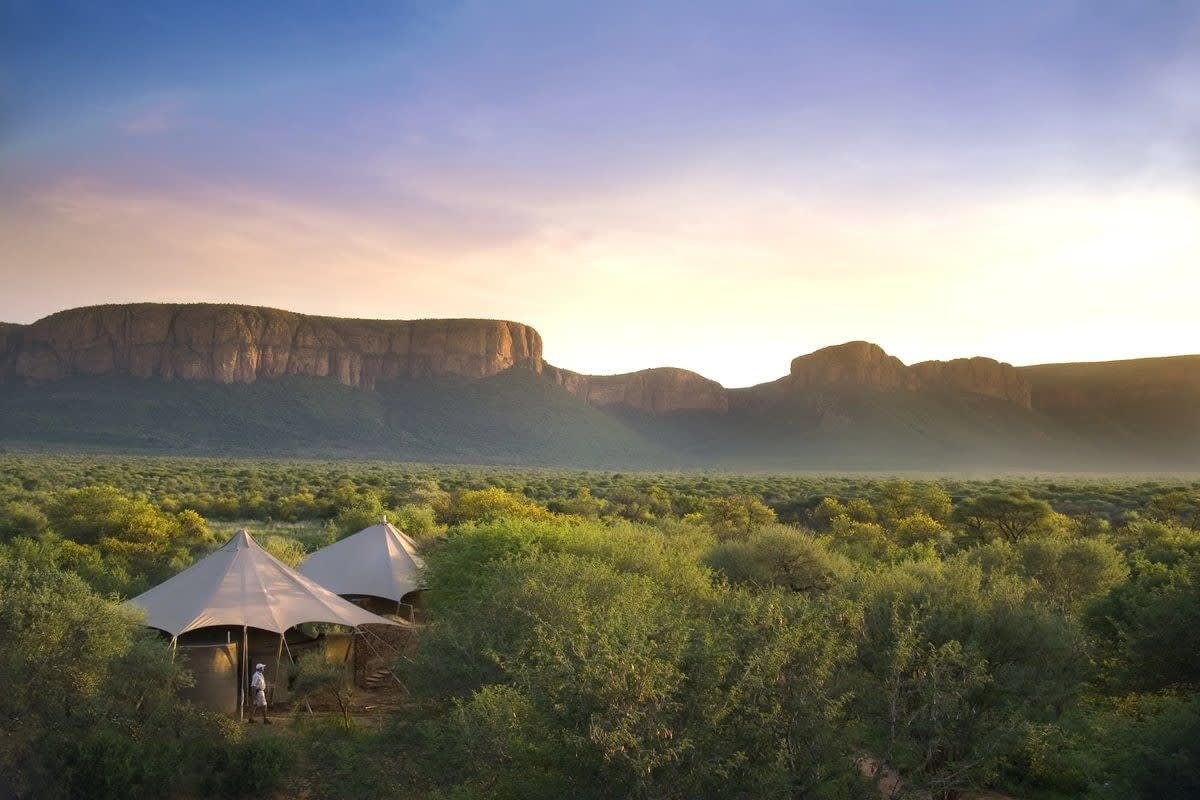
Marakele National Park
Southern Reedbuck: segnalato qui

Kruger National Park
Southern Reedbuck: segnalato qui

Marakele National Park
Southern Reedbuck: segnalato qui
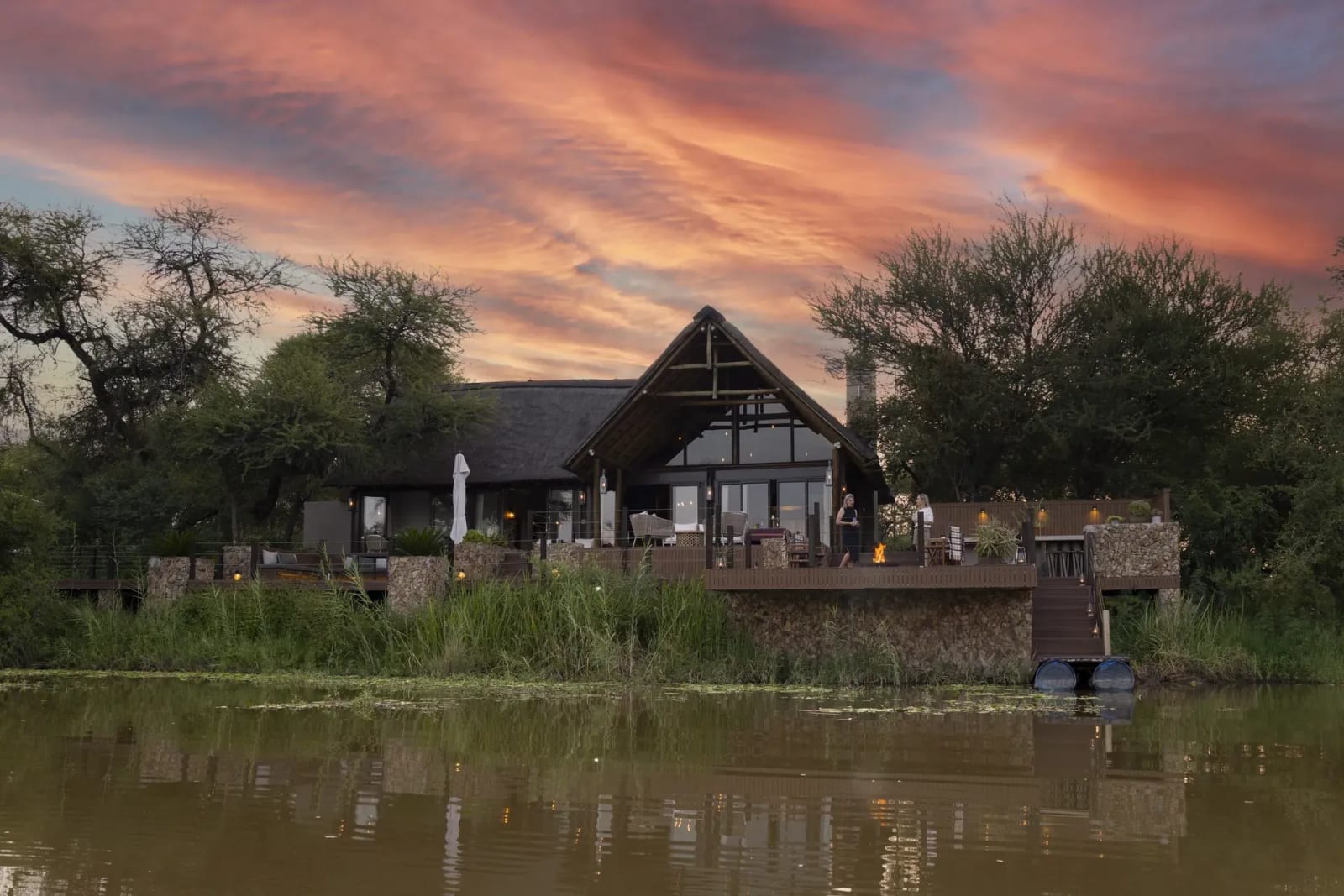
Marakele National Park
Southern Reedbuck: segnalato qui

Kruger National Park
Southern Reedbuck: segnalato qui

Kruger National Park
Southern Reedbuck: segnalato qui
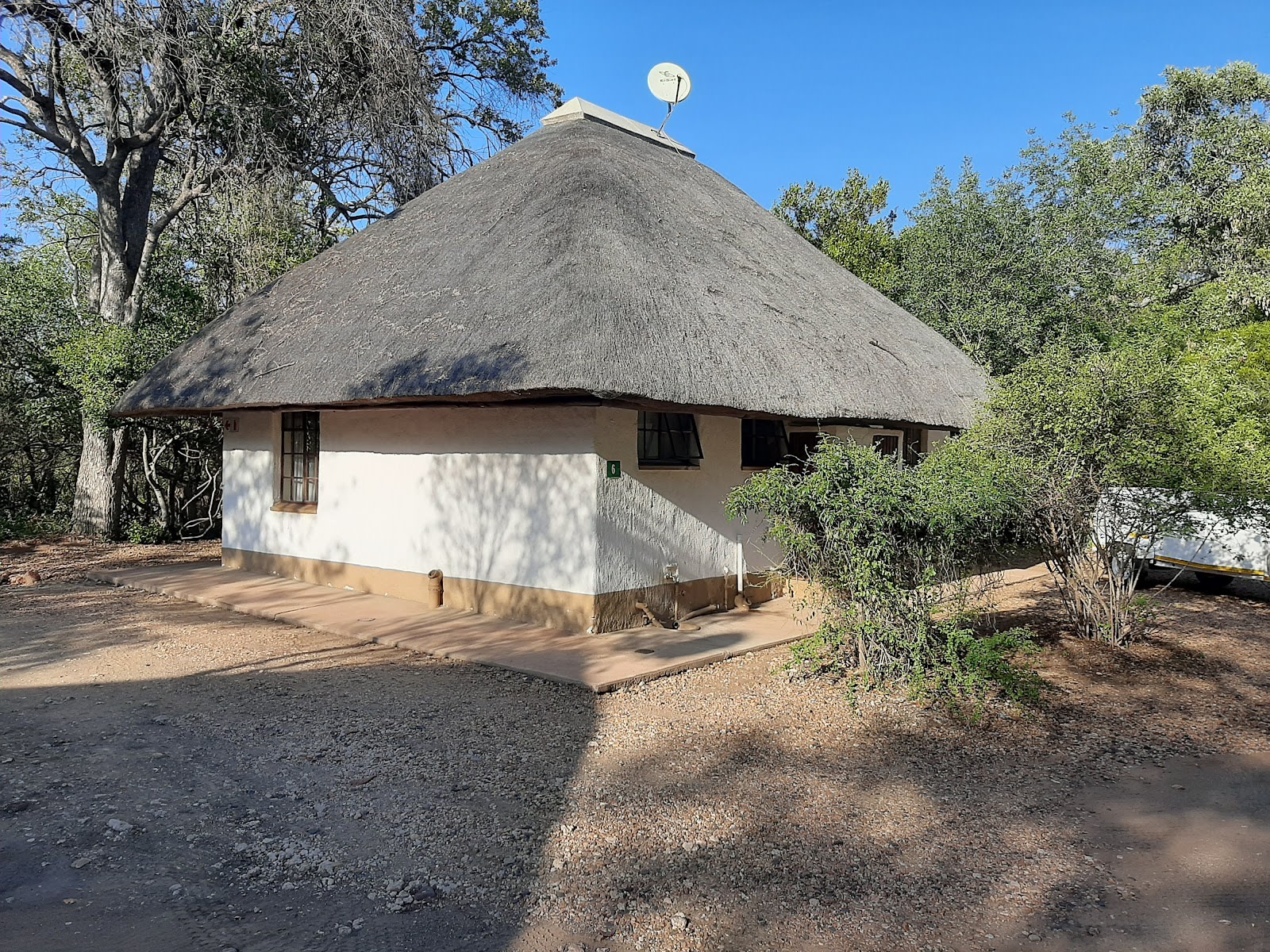
Kruger National Park
Southern Reedbuck: segnalato qui

Kruger National Park
Southern Reedbuck: segnalato qui
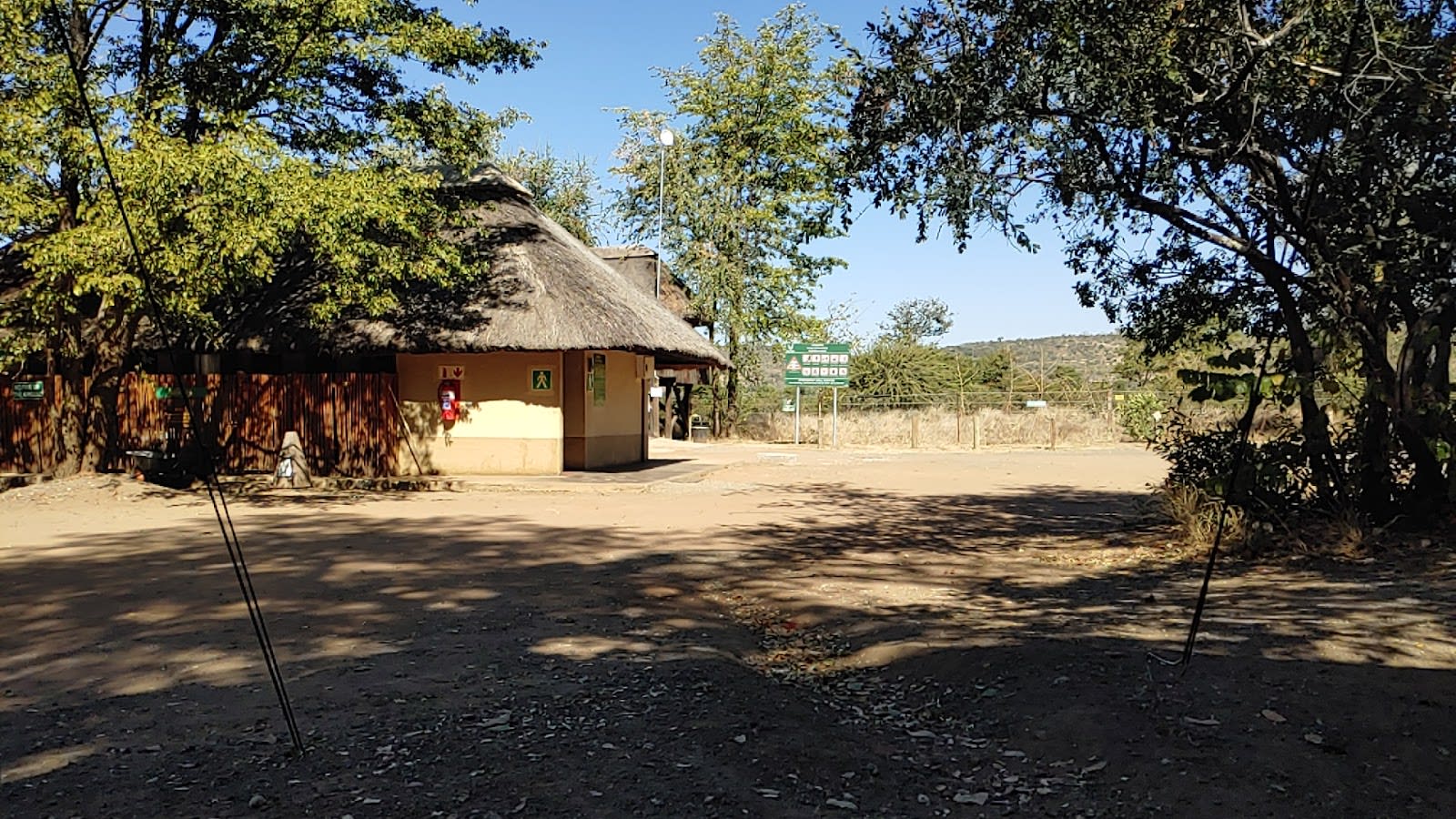
Kruger National Park
Southern Reedbuck: segnalato qui

Kruger National Park
Southern Reedbuck: segnalato qui

Marakele National Park
Southern Reedbuck: segnalato qui

Kruger National Park
Southern Reedbuck: segnalato qui

Kruger National Park
Southern Reedbuck: segnalato qui

Kruger National Park
Southern Reedbuck: segnalato qui

Kruger National Park
Southern Reedbuck: segnalato qui

Haenertsburg

Prossima tappa
iSimangaliso wetlands, sand forest, and Sodwana reefs
Vedi le strutture che sostengono una causaPianificare un viaggio
Gli host hanno segnalato questa specie (Southern Reedbuck) in strutture dentro o accanto a Kruger National Park and Marakele National Park.
| Parco | gen | feb | mar | apr | mag | giu | lug | ago | set | ott | nov | dic |
|---|---|---|---|---|---|---|---|---|---|---|---|---|
| Kruger | Presente | Presente | Presente | Osservazione più facile | Osservazione più facile | Osservazione più facile | Osservazione più facile | Osservazione più facile | Presente | Presente | Presente | |
| Marakele | Presente | Presente | Presente | Osservazione più facile |
I mesi più scuri sono la stagione migliore di ciascun parco, quando la vegetazione più rada o la scarsità d’acqua rendono più facile l’osservazione. Nessun avvistamento è garantito.
Lista Rossa IUCN
Least Concern
Specie
Redunca arundinum
Segnalazioni
669
Osservazioni su iNaturalist
Ogni prenotazione su Spekboom sostiene la conservazione.
Una segnalazione significa che un host ha visto questa specie (Southern Reedbuck) nella struttura o nei dintorni. Non è mai una garanzia di avvistamento.
Hosts on Spekboom have recorded the Southern Reedbuck at stays in or beside Kruger National Park and Marakele National Park. A record means a host has seen it on the property or nearby, which makes these the places to base yourself; it is never a guarantee of a sighting on any given day.
The Southern Reedbuck is most recorded in KwaZulu-Natal (70% of records), Mpumalanga (12% of records), Limpopo (7% of records), based on 669 iNaturalist observations. 23 places to stay on Spekboom in Limpopo have recorded the Southern Reedbuck on site or nearby.
Sightings of the Southern Reedbuck peak from Oct to Nov, based on 669 iNaturalist records. You may still see it outside those months, sightings are just less frequent.
The Southern Reedbuck (Redunca arundinum) is listed as Least Concern on the IUCN Red List.
The southern reedbuck, rietbok or common reedbuck (Redunca arundinum) is a diurnal antelope typically found in southern Africa. It was first described by Pieter Boddaert, a Dutch physician and naturalist, in 1785. It is placed in the genus Redunca and family Bovidae. This antelope has an average mass of 58 kg (128 lb) and a body length of about 134, 167 cm (53, 66 in).
| Osservazione più facile |
| Osservazione più facile |
| Osservazione più facile |
| Osservazione più facile |
| Presente |
| Presente |
| Presente |