

Kruger National Park
Limpopo · Best Apr to Sep
19 luoghi

The black-winged kite (Elanus caeruleus) is a small diurnal bird of prey in the family Accipitridae best known for its habit of hovering over open grasslands in the manner of the much smaller kestrels.
Recorded year-round
Recorded in every month, so no month is the wrong month to look. We would rather say that than invent a best time.
Curve from 3,711 national iNaturalist observations, not from one property and not from this province. Single-month spikes are discarded as upload artefacts, and below 50 records we show no curve at all.
Western Cape and beyond
Provinces where Black-shouldered Kite is most recorded. Tap one to find places to stay.
3,711 records, iNaturalist
In tutto il Limpopo

Kruger National Park

Avvistato spesso · Birder Friendly

Kruger National Park
Avvistato spesso · Birder Friendly

Kruger National Park
Avvistato spesso · Birder Friendly

Kruger National Park
Avvistato spesso · Birder Friendly

Kruger National Park
Black-shouldered Kite: segnalato qui

Timbavati Private Nature Reserve
Black-shouldered Kite: segnalato qui

Louis Trichardt
Avvistato spesso · Birder Friendly
Kruger National Park
Black-shouldered Kite: segnalato qui

Timbavati Private Nature Reserve

Black-shouldered Kite: segnalato qui

Kruger National Park
Black-shouldered Kite: segnalato qui

Kruger National Park
Black-shouldered Kite: segnalato qui

Rust de Winter
Avvistato spesso · Birder Friendly

Kruger National Park
Black-shouldered Kite: segnalato qui

Kruger National Park
Black-shouldered Kite: segnalato qui

Kruger National Park
Black-shouldered Kite: segnalato qui
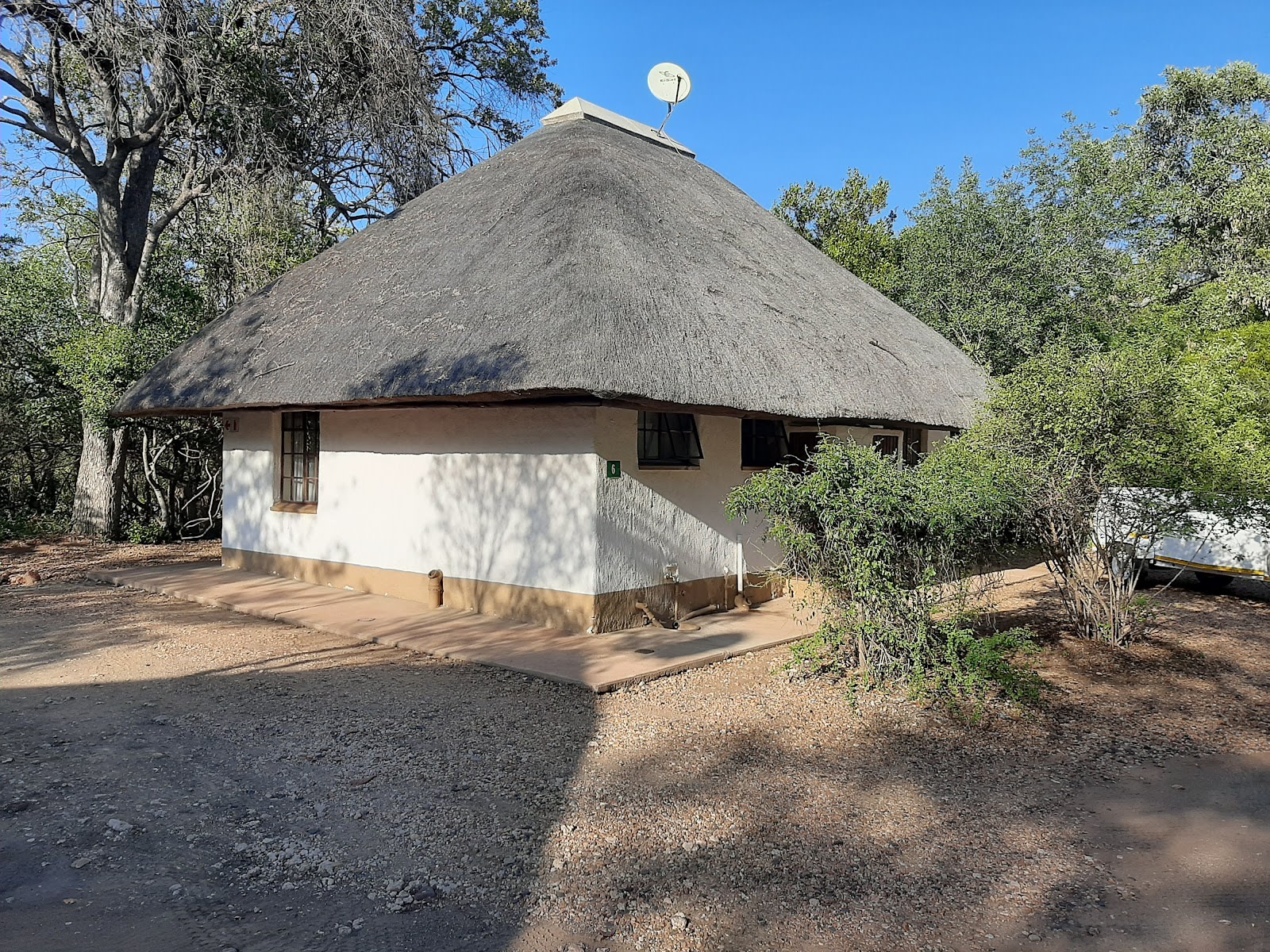
Kruger National Park
Black-shouldered Kite: segnalato qui

Kruger National Park
Black-shouldered Kite: segnalato qui
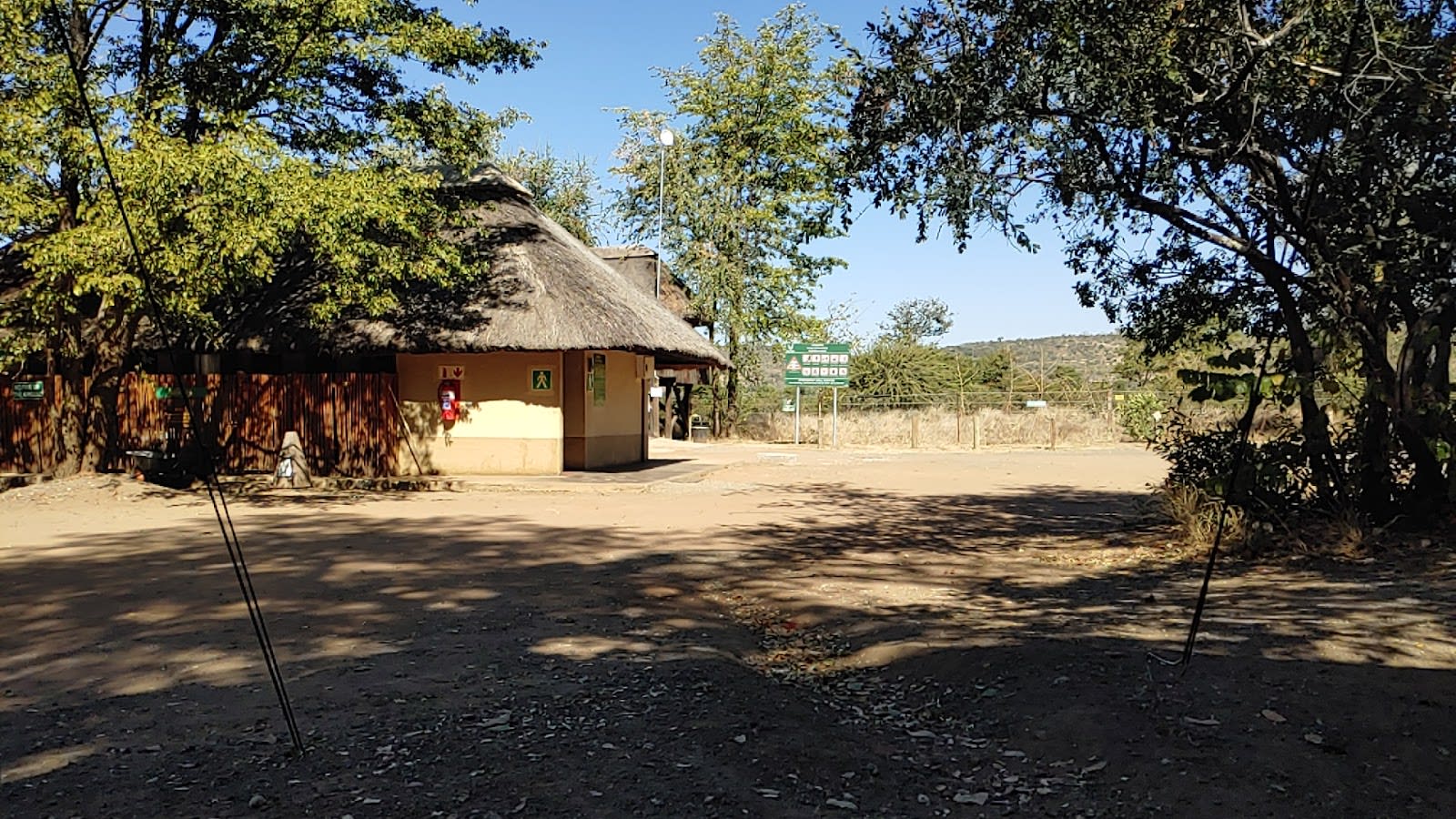
Kruger National Park
Black-shouldered Kite: segnalato qui

Kruger National Park
Black-shouldered Kite: segnalato qui
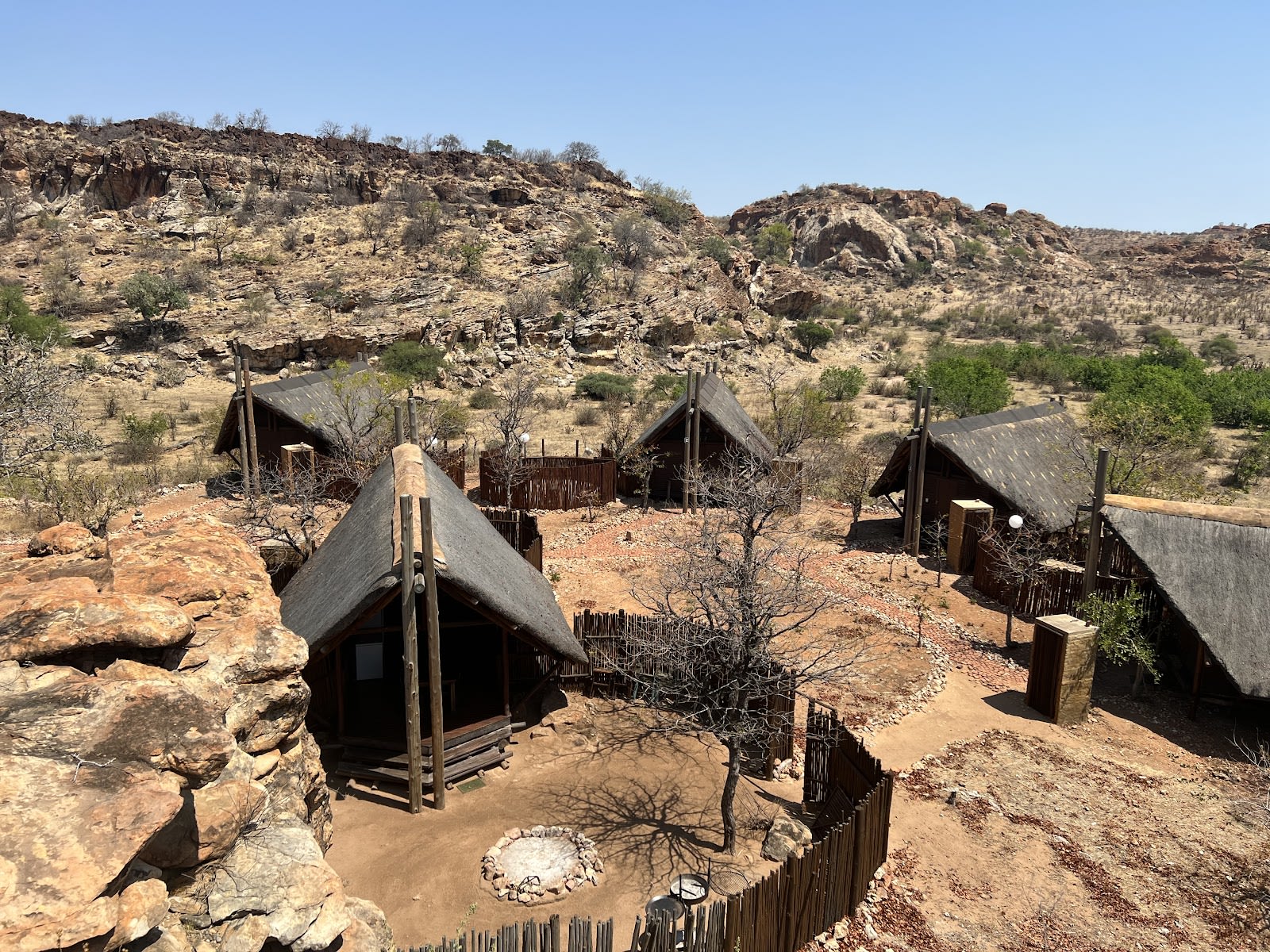
Mapungubwe National Park
Black-shouldered Kite: segnalato qui

Kruger National Park
Black-shouldered Kite: segnalato qui

Kruger National Park
Black-shouldered Kite: segnalato qui
Mapungubwe National Park
Black-shouldered Kite: segnalato qui

Kruger National Park
Black-shouldered Kite: segnalato qui

Prossima tappa
iSimangaliso wetlands, sand forest, and Sodwana reefs
Vedi le strutture che sostengono una causaPianificare un viaggio
Gli host hanno segnalato questa specie (Black-shouldered Kite) in strutture dentro o accanto a Kruger National Park, Mapungubwe National Park and Timbavati Private Nature Reserve.
Guidare in autonomia
Il Suo veicolo e il Suo ritmo, sulle strade del parco.
Dove lo segnalano gli host
Fotosafari guidati da un lodge
Una guida che sa dove guardare, con uscite fuoristrada e safari notturni nelle riserve private.
Dove lo segnalano gli host
Specie
Elanus caeruleus
Segnalazioni
3,711
Osservazioni su iNaturalist
Ogni prenotazione su Spekboom sostiene la conservazione.
Una segnalazione significa che un host ha visto questa specie (Black-shouldered Kite) nella struttura o nei dintorni. Non è mai una garanzia di avvistamento.
Hosts on Spekboom have recorded the Black-shouldered Kite at stays in or beside Kruger National Park, Mapungubwe National Park and Timbavati Private Nature Reserve. A record means a host has seen it on the property or nearby, which makes these the places to base yourself; it is never a guarantee of a sighting on any given day.
The Black-shouldered Kite is most recorded in Western Cape (44% of records), Gauteng (14% of records), Mpumalanga (10% of records), based on 3,711 iNaturalist observations. 26 places to stay on Spekboom in Limpopo have recorded the Black-shouldered Kite on site or nearby.
The Black-shouldered Kite is recorded throughout the year, so no month is the wrong month to look for it. For the parks where hosts record it most, these are the best seasons they give. Kruger National Park: Apr-Sep; Mapungubwe National Park: May-Sep, dry season; Timbavati Private Nature Reserve: May-Sep, dry season. In the dry months animals concentrate at water and the grass is short.
The black-winged kite (Elanus caeruleus) is a small diurnal bird of prey in the family Accipitridae best known for its habit of hovering over open grasslands in the manner of the much smaller kestrels. This Eurasian and African species was sometimes combined with the Australian black-shouldered kite and the white-tailed kite of North and South America which together form a superspecies.

