

Golden Gate Highlands National Park
Free State · Best Mar to May
3 luoghi

Richard's pipit (Anthus richardi) is a medium-sized passerine bird which breeds in open grasslands in northern Asia.
In tutto il Free State
Golden Gate Highlands National Park
Richard's Pipit: segnalato qui
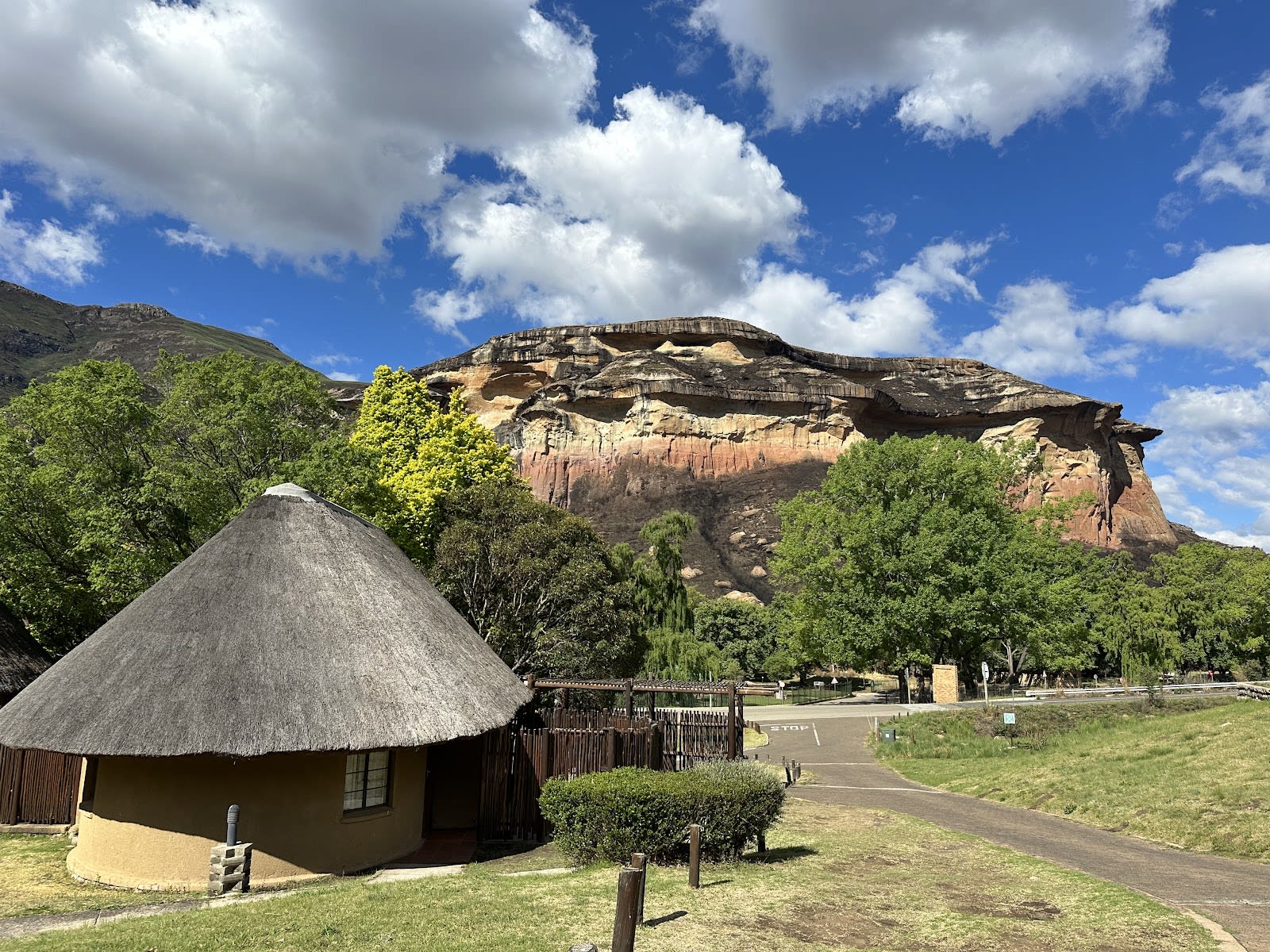
Golden Gate Highlands National Park
Richard's Pipit: segnalato qui

Golden Gate Highlands National Park
Richard's Pipit: segnalato qui
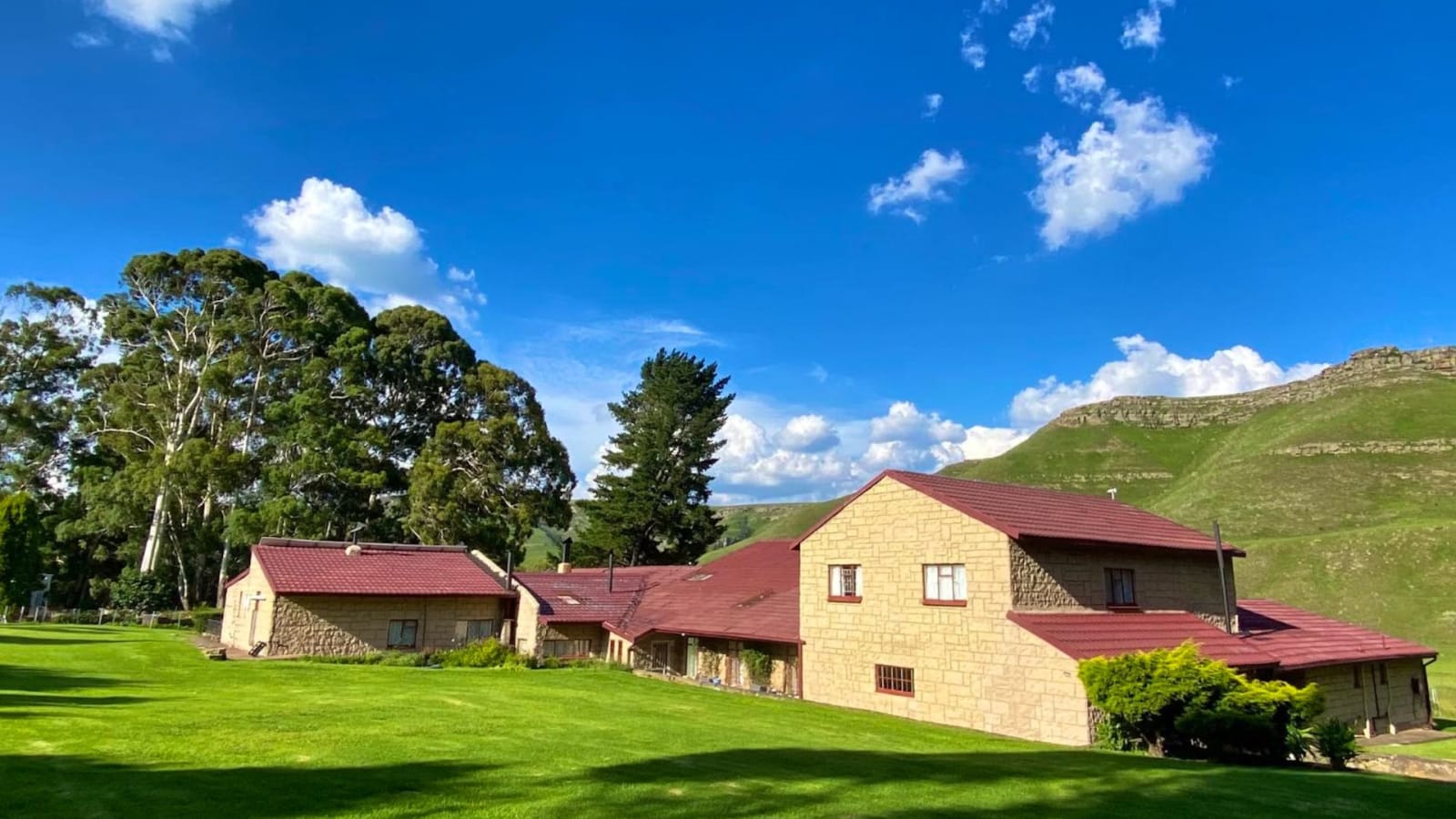
Memel

Birder Friendly

Gariep Dam


Clarens


Frankfort

Birder Friendly

Vaalbank, Bloemfontein

Clarens

Bloemfontein
Birder Friendly

Caledonspoort, Fouriesburg

Clarens

Prossima tappa
Rolling green hills, dairy farms, and pottery studios
Vedi le strutture che sostengono una causaPianificare un viaggio
Gli host hanno segnalato questa specie (Richard's Pipit) in strutture dentro o accanto a Golden Gate Highlands National Park.
Guidare in autonomia
Il Suo veicolo e il Suo ritmo, sulle strade del parco.
Dove lo segnalano gli host
Lista Rossa IUCN
Least Concern
Specie
Anthus richardi
Ogni prenotazione su Spekboom sostiene la conservazione.
Una segnalazione significa che un host ha visto questa specie (Richard's Pipit) nella struttura o nei dintorni. Non è mai una garanzia di avvistamento.
Hosts on Spekboom have recorded the Richard's Pipit at stays in or beside Golden Gate Highlands National Park. A record means a host has seen it on the property or nearby, which makes these the places to base yourself; it is never a guarantee of a sighting on any given day.
The Richard's Pipit (Anthus richardi) is listed as Least Concern on the IUCN Red List.
Richard's pipit (Anthus richardi) is a medium-sized passerine bird which breeds in open grasslands in northern Asia. It is a long-distance migrant moving to open lowlands in the Indian subcontinent and Southeast Asia. It is a rare but regular vagrant to western Europe.