Vai al contenuto principale
Stay Victorian: broekie lace and bay windows

Style Series: Victorian

Stay Victorian: broekie lace and bay windows

Restored Victorian villas, farmhouses and country manors to sleep in, from the City Bowl to the Karoo

Updated

If Cape Dutch is the architecture of the farm, Victorian is the architecture of the boom. Diamonds, gold, wool and ostrich feathers paid for it: streets of villas with cast-iron verandas, bay windows, sash windows and corrugated iron roofs, run up in the last decades of the nineteenth century wherever the money landed. Cape Town’s City Bowl and southern suburbs filled with them, and so did the wool and feather towns of the Karoo, where whole streetscapes survive intact.

A century and a half later, the survivors make superb places to stay: high ceilings, generous proportions, gardens designed for shade, and that filigreed ironwork South Africans call broekie lace. This guide collects the Victorian stays on Spekboom, city and country, and answers the questions the style always raises.

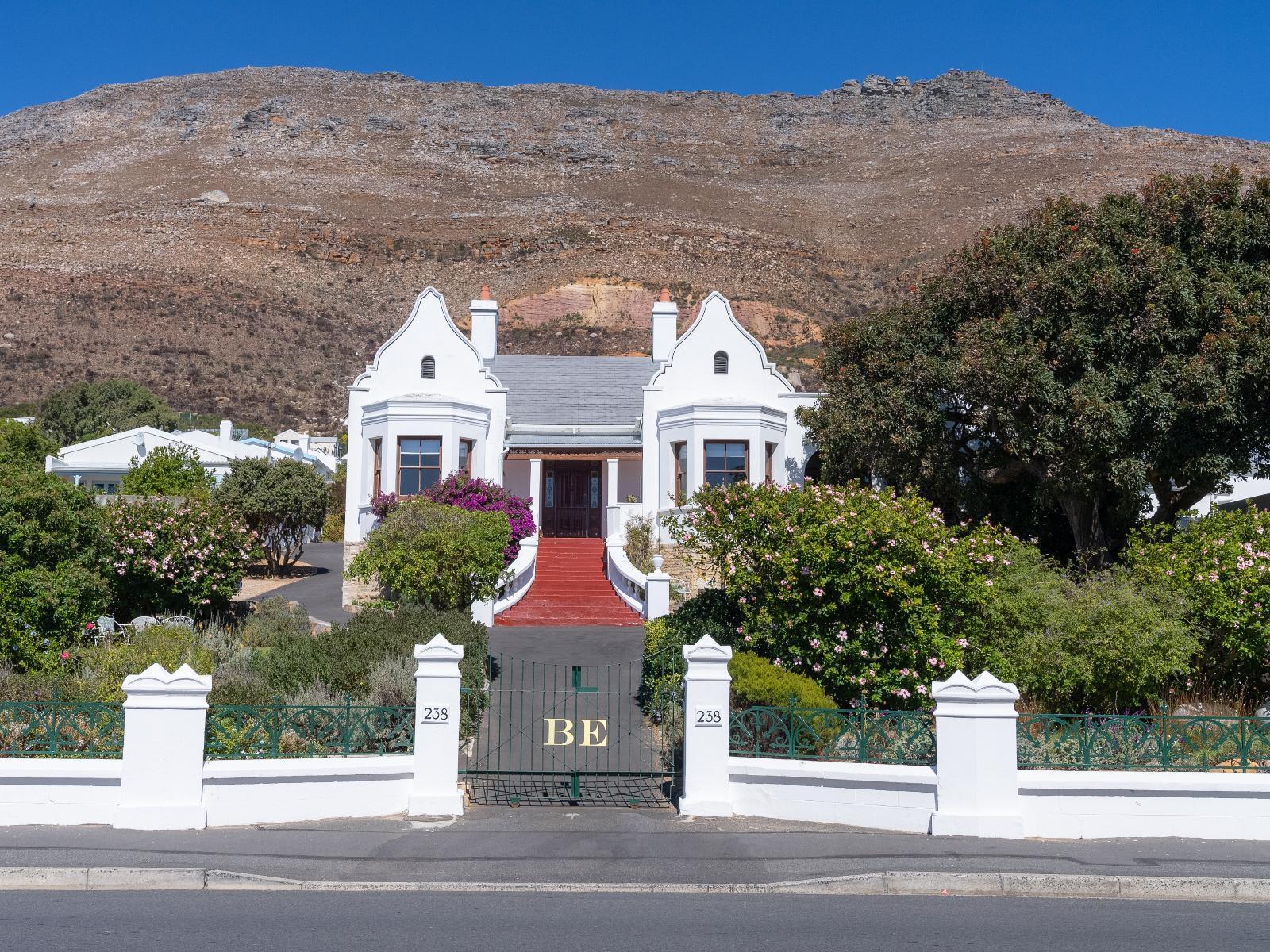
What you are looking at

The South African Victorian house is a colonial remix of a British template. The veranda came first, a necessity under this sun, and its cast-iron posts and lacework friezes, shipped out from British foundries or cast locally, gave the style its most loved detail: broekie lace, named for its resemblance to the trim on old-fashioned bloomers. Behind the veranda sit sash windows, often a projecting bay, high ceilings for the heat, and a roof of corrugated iron, the great Victorian material that replaced thatch and let roofs pitch lower and span wider. Inside, look for pressed-steel ceilings, wooden floors and fireplaces in every room.

Cape Town’s city Victorians

Restored villas and apartments in the Gardens, Oranjezicht, the southern suburbs and the False Bay coast.

Può sostenere SANCCOB e altro

Da R 1,590 a notte

Brooklands House

Può sostenere Streetscapes

Prezzo su richiesta

The Kohling

The country Victorians

Out of town the style relaxes. Swellendam and the Overberg villages kept their Victorian manors as country hotels with gardens to match. In the Swartland, Riebeek-Kasteel’s old houses have become guesthouses a stroll from the wine bars. And in the Karoo the ostrich and wool booms left the richest seam of all: Prince Albert’s main street runs Cape Dutch and Victorian side by side, with guesthouses dating to the 1850s, while Victorian farmhouses like those in the Groenfontein valley near Calitzdorp still sit on working land under the Swartberg.

Village and country Victorians

Manors, guesthouses and farmhouses in Swellendam, Caledon, Riebeek-Kasteel, Prince Albert and the Klein Karoo.

Può sostenere Prince Albert Community Trust (PACT)

Da R 1,480 a notte

Saxe-Coburg Lodge

Può sostenere Stanford Animal Welfare Society

Da R 890 a notte

Kelkiewyn Guesthouse

Causes along the way

Conservation and community work near these stays that your booking supports.

SANCCOB

SANCCOB

Saving seabirds and marine life along the South African coast

Prince Albert Skills School (PASS)

Prince Albert Skills School (PASS)

Established in 2017 by Dr. Hélène Smit, the Prince Albert Skills School (PASS) is dedicated to supporting youth in Prince Albert, South Africa, who have disengaged from traditional…

The Victorian trail on one map

Every Victorian stay in this guide, from the City Bowl to the Swartberg.

Questions travellers ask

What does Victorian architecture look like in South Africa?

The local Victorian house pairs the British original with colonial climate sense: a shaded veranda trimmed in cast-iron broekie lace, sash and bay windows, high ceilings, corrugated iron roofs, pressed-steel ceilings and a fireplace in most rooms. The style spread with the mineral and agricultural booms of the late nineteenth century, so it is strongest in Cape Town’s older suburbs and in wool and ostrich towns like Prince Albert, Graaff-Reinet, Matjiesfontein and Oudtshoorn.

What is broekie lace?

Broekie lace is the South African name for the decorative cast-iron fretwork on Victorian verandas: the lacy friezes, brackets and railings between the veranda posts. The name comes from the Afrikaans word for underwear, because the patterns resemble the trim on old-fashioned bloomers. Panels were imported from British foundries or cast locally, and surviving broekie lace is now one of the most prized features of a restored Victorian home.

Can you stay in a Victorian house in Cape Town?

Yes. Cape Town’s Gardens, Oranjezicht and the southern suburbs kept many Victorian villas, and several now run as guesthouses and self-catering stays, from a renovated Victorian on a quiet Gardens cul-de-sac to a villa near the False Bay penguin beaches. They put you inside the city’s history at residential-street quiet, usually a short walk from cafes.

Which country towns are best for Victorian architecture?

Prince Albert and Graaff-Reinet in the Karoo preserve remarkable Victorian streetscapes beside their Cape Dutch neighbours, and Matjiesfontein is a whole preserved Victorian railway village. In the winelands and Overberg, Swellendam, Riebeek-Kasteel, Caledon and Montagu all keep fine examples, several of which are bookable stays in this guide.

Are Victorian guesthouses comfortable?

The bones are ideal for guests: high ceilings and thick walls keep rooms temperate, big sash windows bring light, and the veranda is built for slow breakfasts. Restorations in this guide add modern bathrooms, good beds and fireplaces or heating for winter, so the period character comes without period plumbing.

Plan a broekie-lace route

City Victorian first, then over the passes to the Karoo streetscapes. Sign in to plan the route and book the houses.

Plan a trip

How your stay makes an impact

Book any stay in this guide through Spekboom and a share of the booking supports the causes above. You can also donate to them directly.

1

Book your stay

Choose from the places to stay in this guide

2

Choose a cause

A portion of booking fees goes to the linked causes

3

Make an impact

Your stay supports conservation and community work on the ground