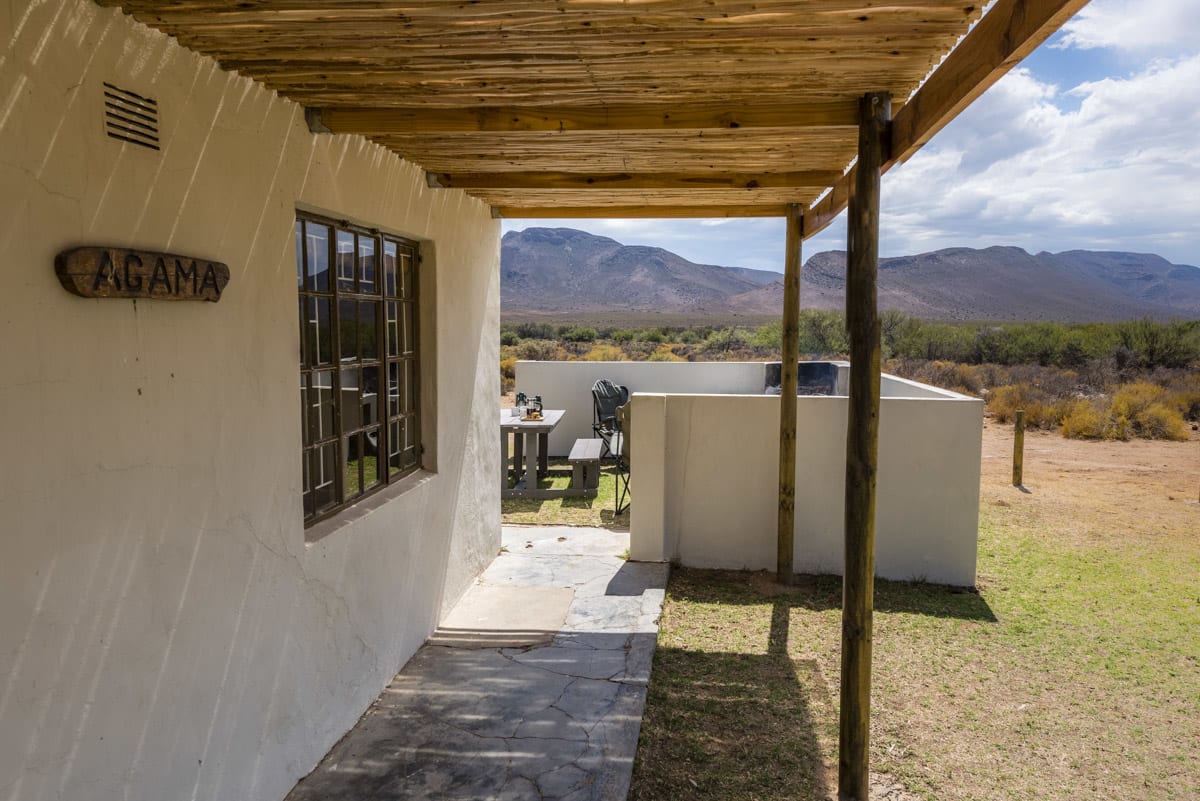
Western Cape
Anysberg · Gamkaberg · Table Mountain
En voitureSans paludisme
Hébergements : Western CapeOù observer
Red Hartebeest : signalé par des hôtes dans ou près de uKhahlamba-Drakensberg Park, Kgalagadi Transfrontier Park and Anysberg Nature Reserve.
Alcelaphus buselaphus caama · Least Concern

Préparer un voyage
Red Hartebeest : signalé par des hôtes dans ou près de uKhahlamba-Drakensberg Park, Kgalagadi Transfrontier Park and Anysberg Nature Reserve.
| Parc | janv | févr | mars | avr | mai | juin | juil | août | sept | oct | nov | déc |
|---|---|---|---|---|---|---|---|---|---|---|---|---|
| uKhahlamba-Drakensberg | Présent | Présent | Présent | Présent | Plus facile à voir | Plus facile à voir | Plus facile à voir | Plus facile à voir | Plus facile à voir | Présent | Présent | Présent |
| Kgalagadi | Présent | Présent | Plus facile à voir | Plus facile à voir |
Les mois plus foncés sont la meilleure saison de chaque parc, quand la brousse clairsemée ou le manque d’eau facilite l’observation. Une observation n’est jamais garantie.
Anysberg · Gamkaberg · Table Mountain

Kgalagadi · Mokala · Tankwa Karoo
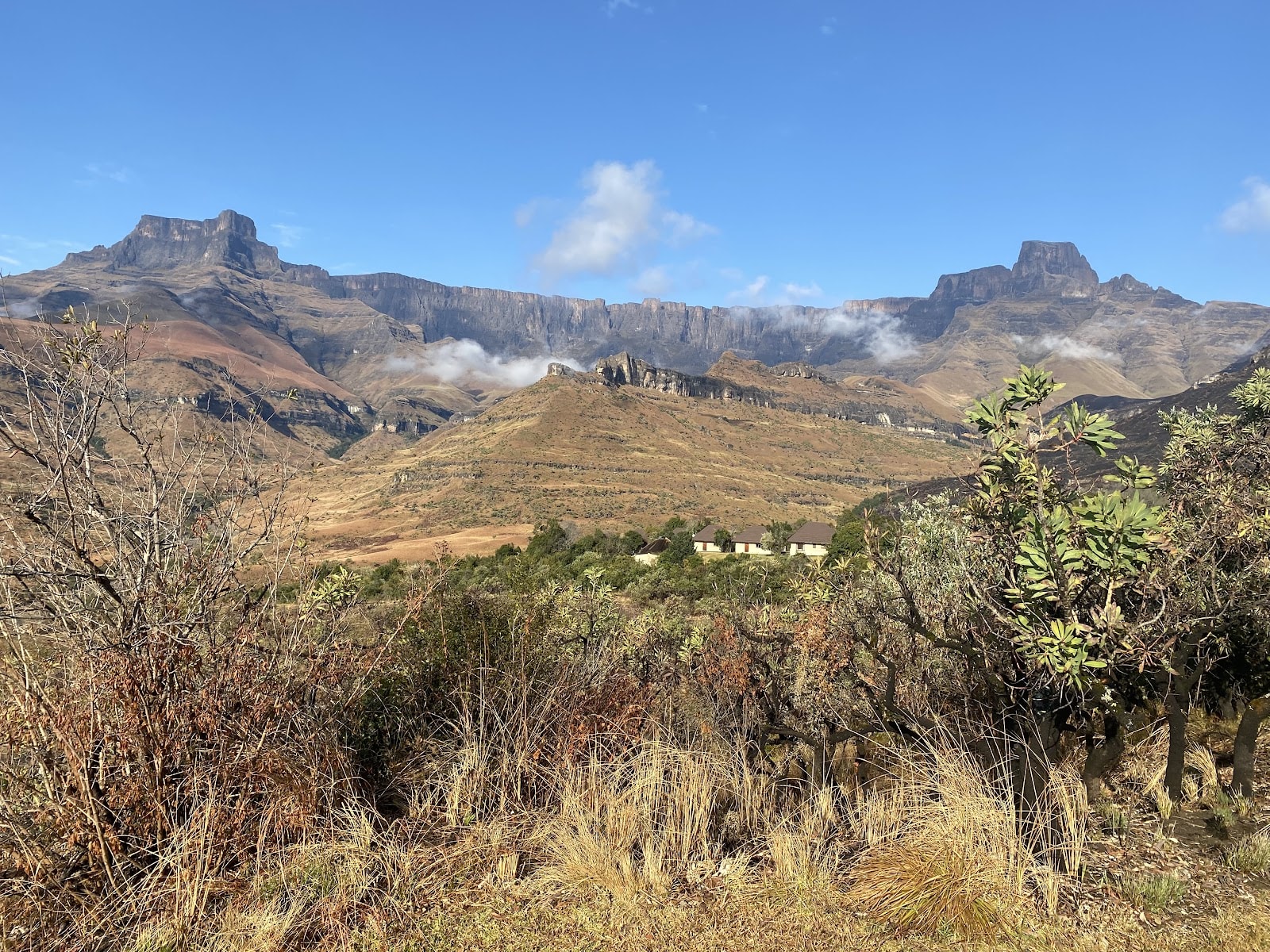
uKhahlamba-Drakensberg

Marakele · Mapungubwe
Conduire soi-même
Votre véhicule et votre rythme, sur les routes du parc.
Parcs où l’espèce est signalée
Liste rouge de l’UICN
Least Concern
Espèce
Alcelaphus buselaphus caama
Observations
2,626
observations iNaturalist
Chaque réservation sur Spekboom soutient la conservation.
Une observation signifie qu’un hôte a vu l’espèce Red Hartebeest sur place ou à proximité. Ce n’est jamais une garantie de la voir.
Hosts on Spekboom have recorded the Red Hartebeest at stays in or beside uKhahlamba-Drakensberg Park, Kgalagadi Transfrontier Park, Anysberg Nature Reserve, Gamkaberg Nature Reserve, Addo Elephant National Park and Marakele National Park and other reserves. A record means a host has seen it on the property or nearby, which makes these the places to base yourself; it is never a guarantee of a sighting on any given day.
The Red Hartebeest is most recorded in Eastern Cape (32% of records), Western Cape (25% of records), Northern Cape (14% of records), based on 2,626 iNaturalist observations. 71 places to stay on Spekboom in South Africa have recorded the Red Hartebeest on site or nearby.
The Red Hartebeest is recorded throughout the year, so no month is the wrong month to look for it. For the parks where hosts record it most, these are the best seasons they give. uKhahlamba-Drakensberg Park: year-round, dry season May-Sep; Kgalagadi Transfrontier Park: Aug-Oct, flowers, Mar-May; Anysberg Nature Reserve: Autumn and spring, Mar-May, Sep-Nov; Gamkaberg Nature Reserve: Autumn and spring, Mar-May, Sep-Nov. In the dry months animals concentrate at water and the grass is short.
The Red Hartebeest (Alcelaphus buselaphus caama) is listed as Least Concern on the IUCN Red List.
The red hartebeest (Alcelaphus buselaphus caama or A. caama) is a species of even-toed ungulate in the family Bovidae found in Southern Africa. More than 130,000 individuals live in the wild. The red hartebeest is closely related to the tsessebe and the topi.
Hébergements engagés
Chaque séjour de la page du Red Hartebeest indique les espèces que l’hôte a relevées sur la propriété ou à proximité. Un relevé est une observation, jamais une promesse.
Voir où séjourner| Plus facile à voir |
| Présent |
| Présent |
| Présent |
| Présent |
| Présent |
| Présent |
| Présent |
| Anysberg | Présent | Présent | Présent | Présent | Présent | Présent | Présent | Présent | Présent | Présent | Présent | Présent |
|---|
| Gamkaberg | Présent | Présent | Présent | Présent | Présent | Présent | Présent | Présent | Présent | Présent | Présent | Présent |
|---|
| Addo Elephant | Présent | Présent | Plus facile à voir | Plus facile à voir | Plus facile à voir | Présent | Présent | Présent | Plus facile à voir | Plus facile à voir | Plus facile à voir | Présent |
|---|
| Marakele | Présent | Présent | Présent | Présent | Plus facile à voir | Plus facile à voir | Plus facile à voir | Plus facile à voir | Plus facile à voir | Présent | Présent | Présent |
|---|
| Table Mountain | Plus facile à voir | Plus facile à voir | Plus facile à voir | Plus facile à voir | Présent | Présent | Présent | Présent | Plus facile à voir | Plus facile à voir | Plus facile à voir | Plus facile à voir |
|---|