
Ai-Ais/Richtersveld Transfrontier Park
Northern Cape
1 lieu

Trees & flora
Pachypodium namaquanum is a succulent plant of Southern Africa.
Most records Aug to Sep
When Halfmens sightings peak, from open records. Outside these months it is seen less often, not never.
Curve from 189 national iNaturalist observations, not from one property. Single-month spikes are discarded as upload artefacts, and below 50 records we show no curve at all.
Northern Cape
Provinces where Halfmens is most recorded. Tap one to find places to stay.
189 records, iNaturalist
À travers Afrique du Sud
Ai-Ais/Richtersveld Transfrontier Park
Halfmens : espèce observée ici · Biome Désert · Halfmens · Quiver tree
À partir de R 311 la nuit

Voëlklip, Hermanus
Biome Fynbos · Southern right whale
Soutient Stanford Animal Welfare Society et 1 autre cause
À partir de R 2,235 la nuit

Swellendam
Biome Fynbos
Soutient Barrydale Hospice
À partir de R 4,355 la nuit
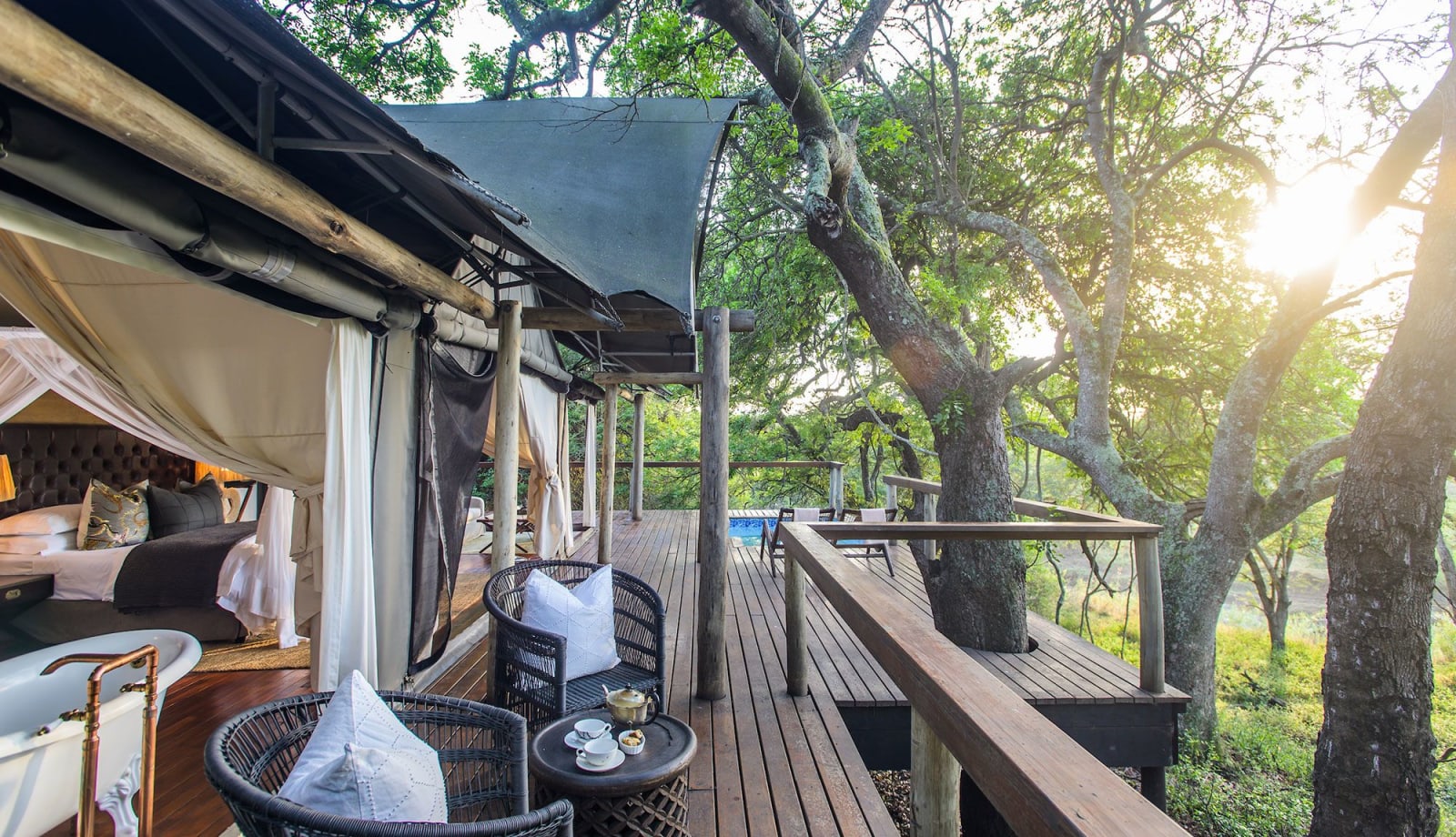
Hazyview
Biome Savane · Leopard · Lion
Soutient Zululand Conservation Trust et 1 autre cause
À partir de R 22,680 la nuit

Riebeek Valley, Riebeek West
Biome Fynbos · Black wildebeest · Bontebok
Soutient BirdLife South Africa
À partir de R 5,636 la nuit

Franschhoek
Biome Fynbos · English oak
Soutient Cape Leopard Trust
À partir de R 6,195 la nuit

Klapmuts, Simondium
Angulate tortoise · Wild olive
Prix sur demande

Gardens, Cape Town
Biome Fynbos · English oak
À partir de R 2,800 la nuit

Bakoven, Cape Town
Biome Fynbos
À partir de R 9,900 la nuit

Timbavati Private Nature Reserve
Biome Savane · Lion · Leopard
Prix sur demande

Kruger National Park
Biome Savane · Makalani palm · Ana tree
Soutient BirdLife South Africa
À partir de R 11,820 la nuit

Kruger National Park
Biome Savane · Makalani palm · Ana tree
Soutient BirdLife South Africa
À partir de R 17,120 la nuit

Hluhluwe-Imfolozi Park
Biome Savane · African wild dog · Spotted hyena
Soutient Isibindi Foundation
Prix sur demande

Kruger National Park
Biome Savane · Makalani palm · Ana tree
Soutient BirdLife South Africa
À partir de R 8,380 la nuit

Kruger National Park
Biome Savane · Leopard · Spotted hyena
Soutient BirdLife South Africa
À partir de R 11,820 la nuit

iSimangaliso Wetland Park
Biome Forêt · Humpback whale · Southern right whale
Soutient Isibindi Foundation
Prix sur demande

Madikwe
Biome Savane · Leopard · Lion
Soutient Jaci's Lodge Trust
À partir de R 31,500 la nuit
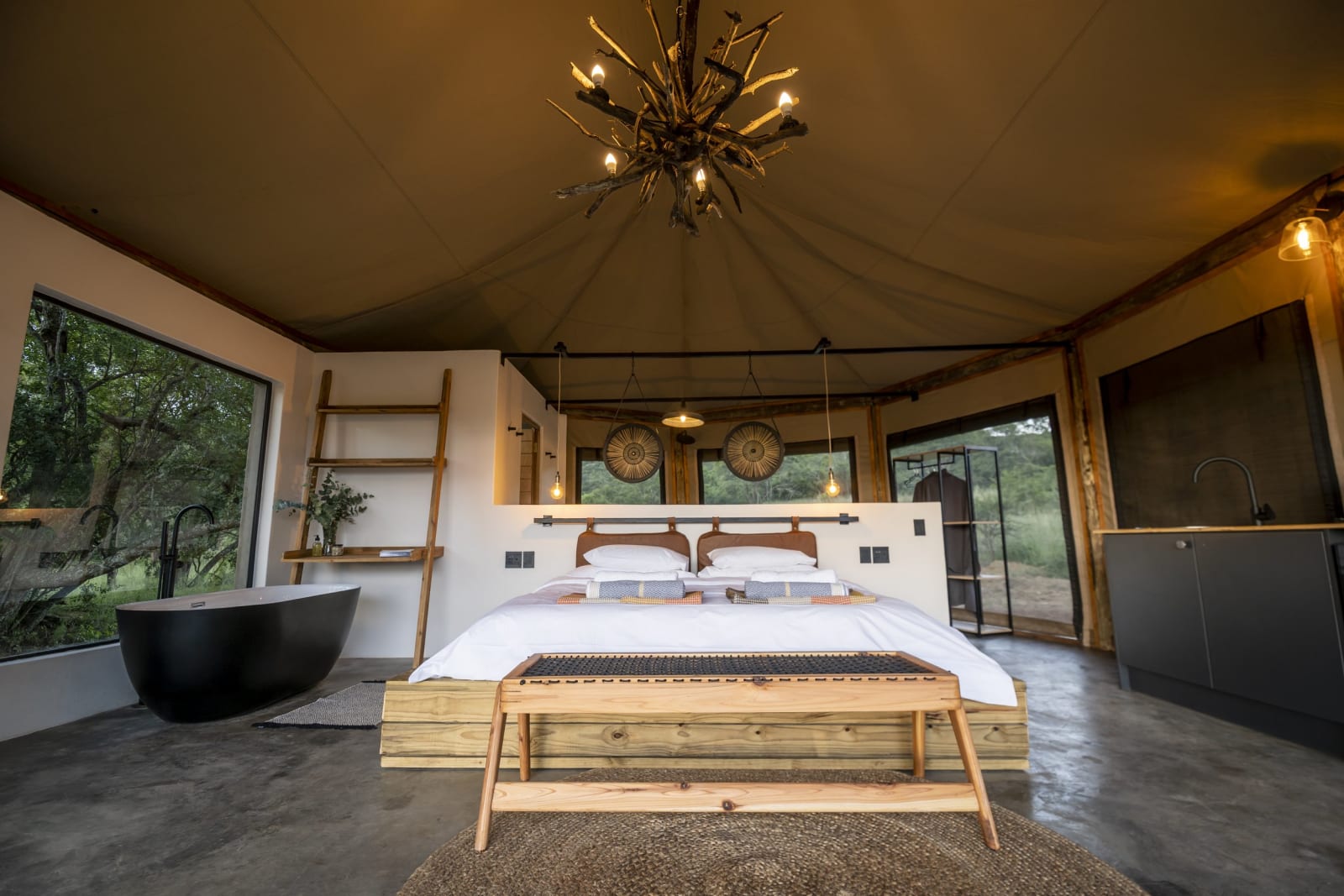
Bergville
Biome Prairie
Soutient Royal Drakensberg Education Trust et 2 autres causes
À partir de R 5,400 la nuit

Franschhoek
Biome Fynbos · English oak
Prix sur demande

Hoedspruit
Biome Savane · Giraffe · Cheetah
Soutient DAKTARI Bush School
À partir de R 1,100 la nuit

Wittedrift, Plettenberg Bay
Biome Forêt
Soutient National Sea Rescue Institute
À partir de R 2,250 la nuit

Stanford
Biome Fynbos · White milkwood · Southern right whale
Soutient Walker Bay Fynbos Conservancy
Prix sur demande

Stanford
Biome Fynbos
Soutient Walker Bay Fynbos Conservancy et 1 autre cause
À partir de R 2,850 la nuit
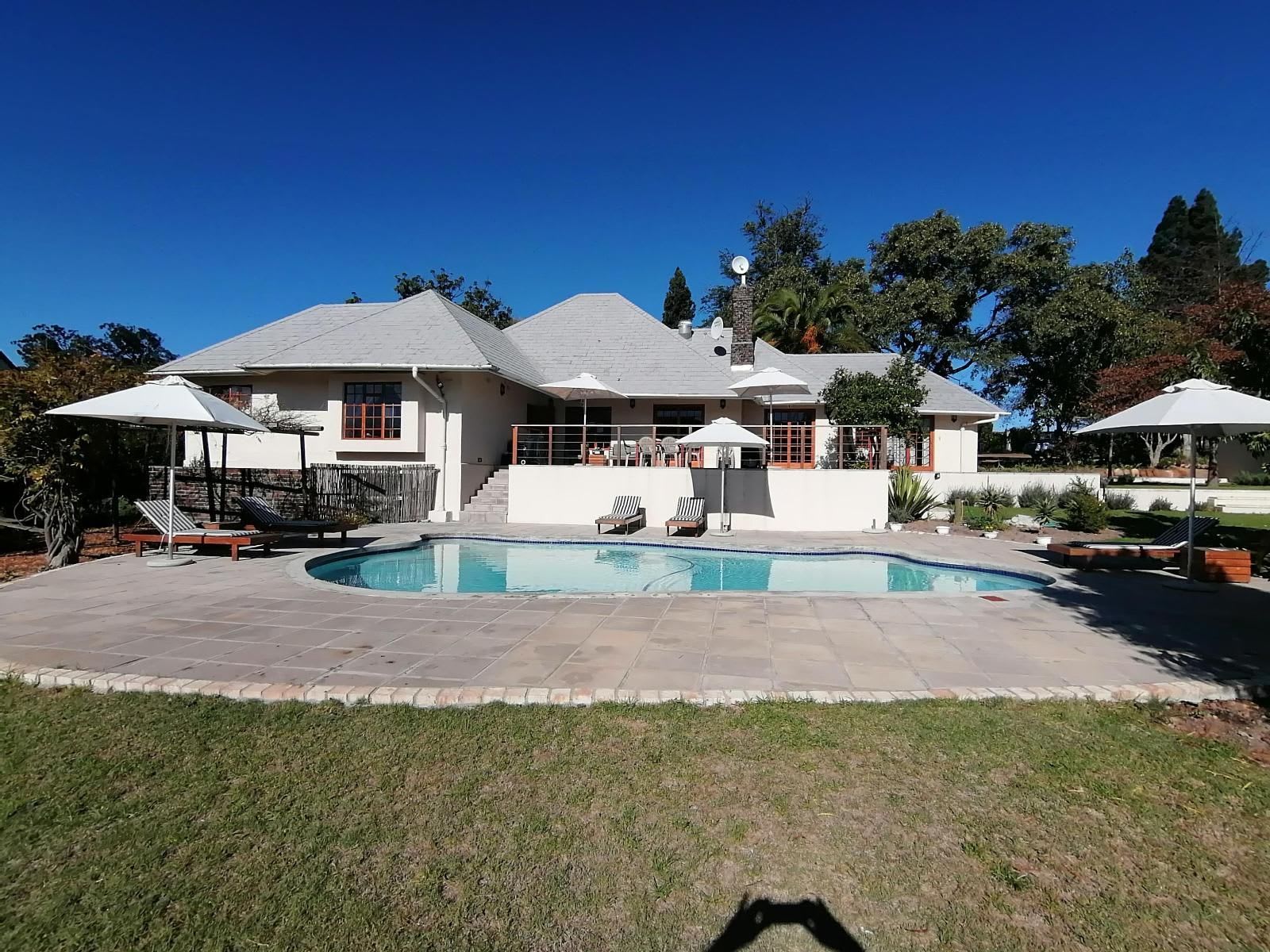
Stellenbosch
Biome Fynbos · English oak
Soutient Cape Leopard Trust
À partir de R 1,465 la nuit

Prochaine étape
Sandstone amphitheatres and cool mountain air
Voir les hébergements engagésPréparer un voyage
Halfmens : signalé par des hôtes dans ou près de Ai-Ais/Richtersveld Transfrontier Park.
Espèce
Pachypodium namaquanum
Observations
189
observations iNaturalist
Chaque réservation sur Spekboom soutient la conservation.
Une observation signifie qu’un hôte a vu l’espèce Halfmens sur place ou à proximité. Ce n’est jamais une garantie de la voir.
Hosts on Spekboom have recorded the Halfmens at stays in or beside Ai-Ais/Richtersveld Transfrontier Park. A record means a host has seen it on the property or nearby, which makes these the places to base yourself; it is never a guarantee of a sighting on any given day.
The Halfmens is most recorded in Northern Cape (100% of records), based on 189 iNaturalist observations. 1 place to stay on Spekboom in South Africa has recorded the Halfmens on site or nearby.
Sightings of the Halfmens peak from Aug to Sep, based on 189 iNaturalist records. You may still see it outside those months, sightings are just less frequent.
Pachypodium namaquanum is a succulent plant of Southern Africa. The genus name Pachypodium is from the Greek for 'thick foot', an allusion to its swollen base, while the species name namaquanum is a reference to Namaqualand.


