
iSimangaliso Wetland Park
KwaZulu-Natal · Year-round
1 lieu

The black stork (Ciconia nigra) is a large bird in the stork family Ciconiidae.
Recorded year-round
Recorded in every month, so no month is the wrong month to look. We would rather say that than invent a best time.
Curve from 557 national iNaturalist observations, not from one property and not from this province. Single-month spikes are discarded as upload artefacts, and below 50 records we show no curve at all.
Mpumalanga and beyond
Provinces where Black Stork is most recorded. Tap one to find places to stay.
557 records, iNaturalist
À travers KwaZulu-Natal

Drakensberg, Bergville
Observé régulièrement · Accueillant pour les ornithologues · Biome Prairie · Bushbuck · Common eland
Soutient Royal Drakensberg Education Trust et 1 autre cause
À partir de R 6,800 la nuit
iSimangaliso Wetland Park
Observé régulièrement · Accueillant pour les ornithologues · Biome Forêt · Hippopotamus · Nile crocodile
Soutient Isibindi Foundation et 1 autre cause
Prix sur demande

Umdloti, Ballito
Biome Ceinture côtière de l’océan Indien
Soutient Isibindi Foundation
À partir de R 13,000 la nuit
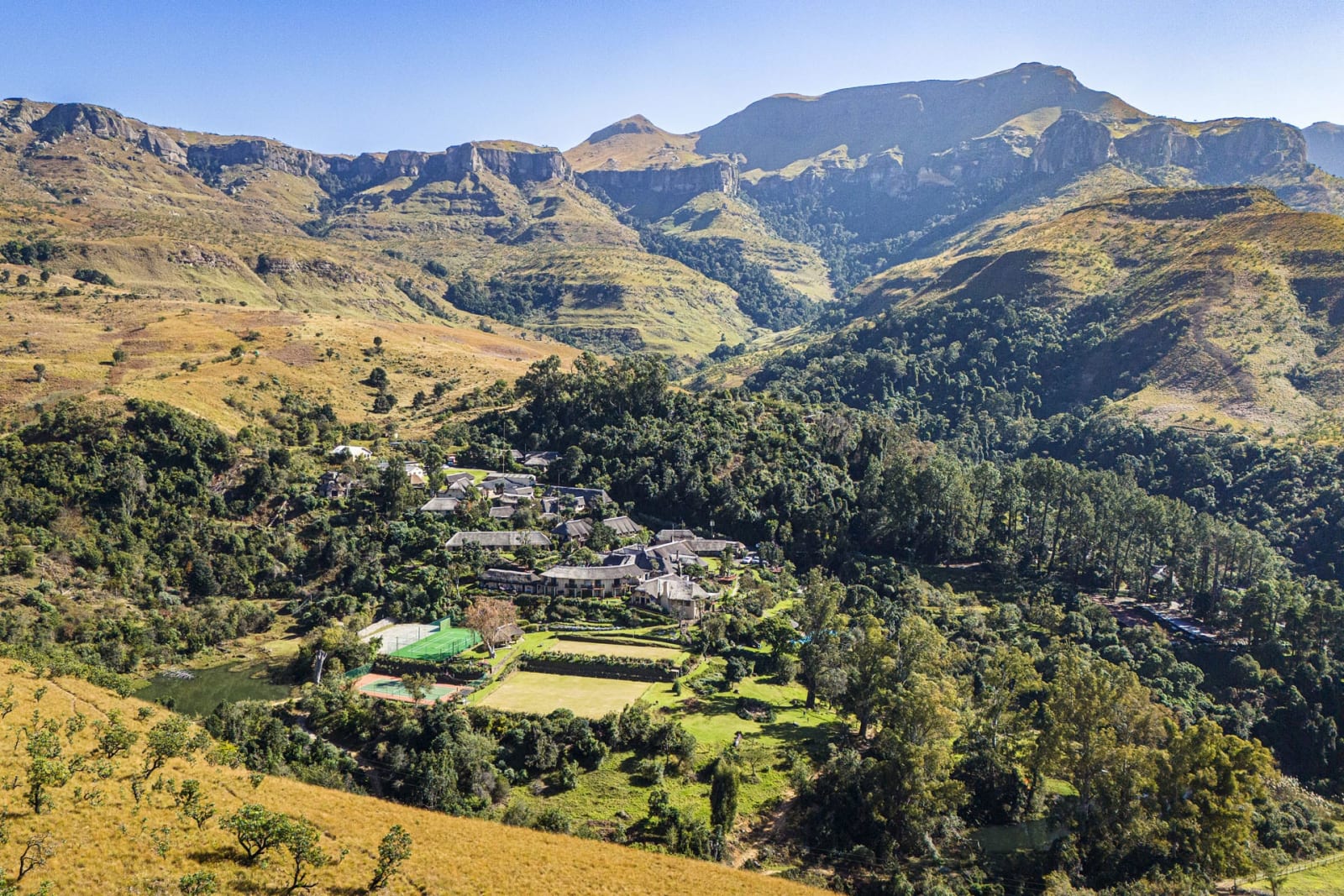
Drakensberg, Bergville
Biome Prairie
Soutient Royal Drakensberg Education Trust
À partir de R 4,280 la nuit
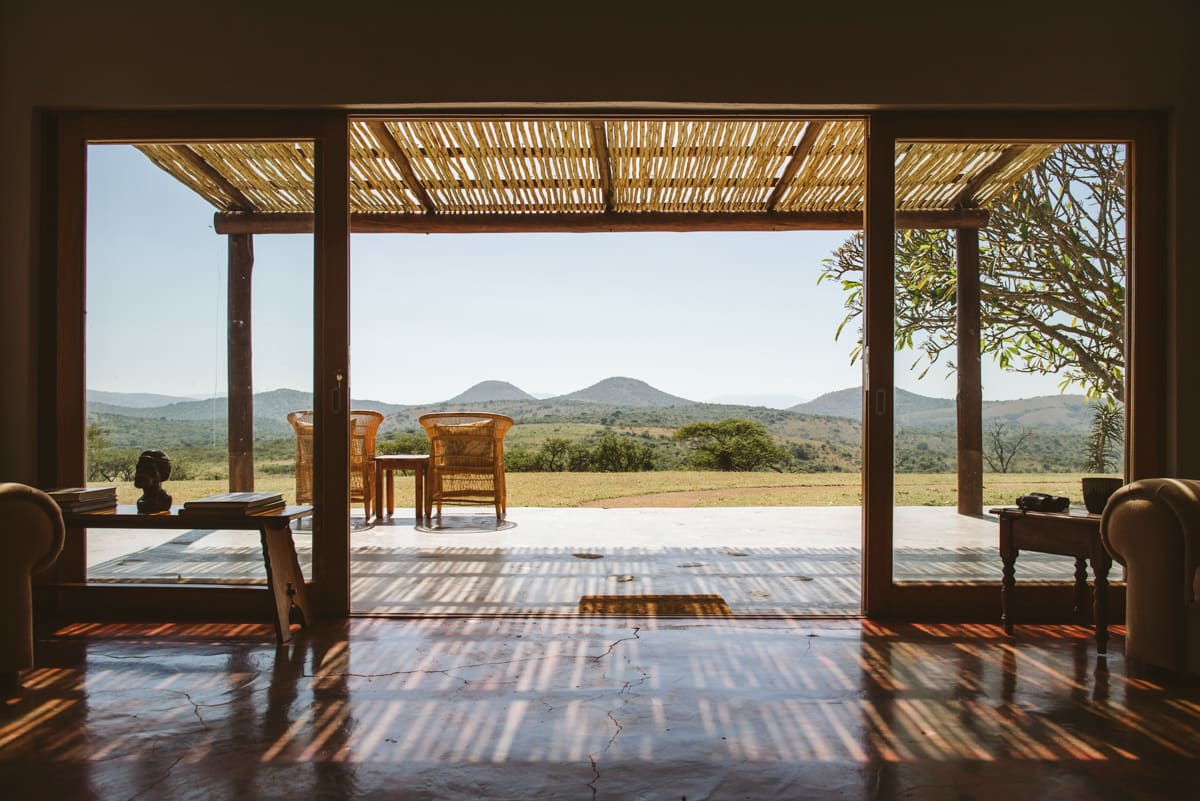
Magudu
Accueillant pour les ornithologues · Biome Savane · Leopard · Lion
Soutient Zululand Conservation Trust
À partir de R 1,280 la nuit
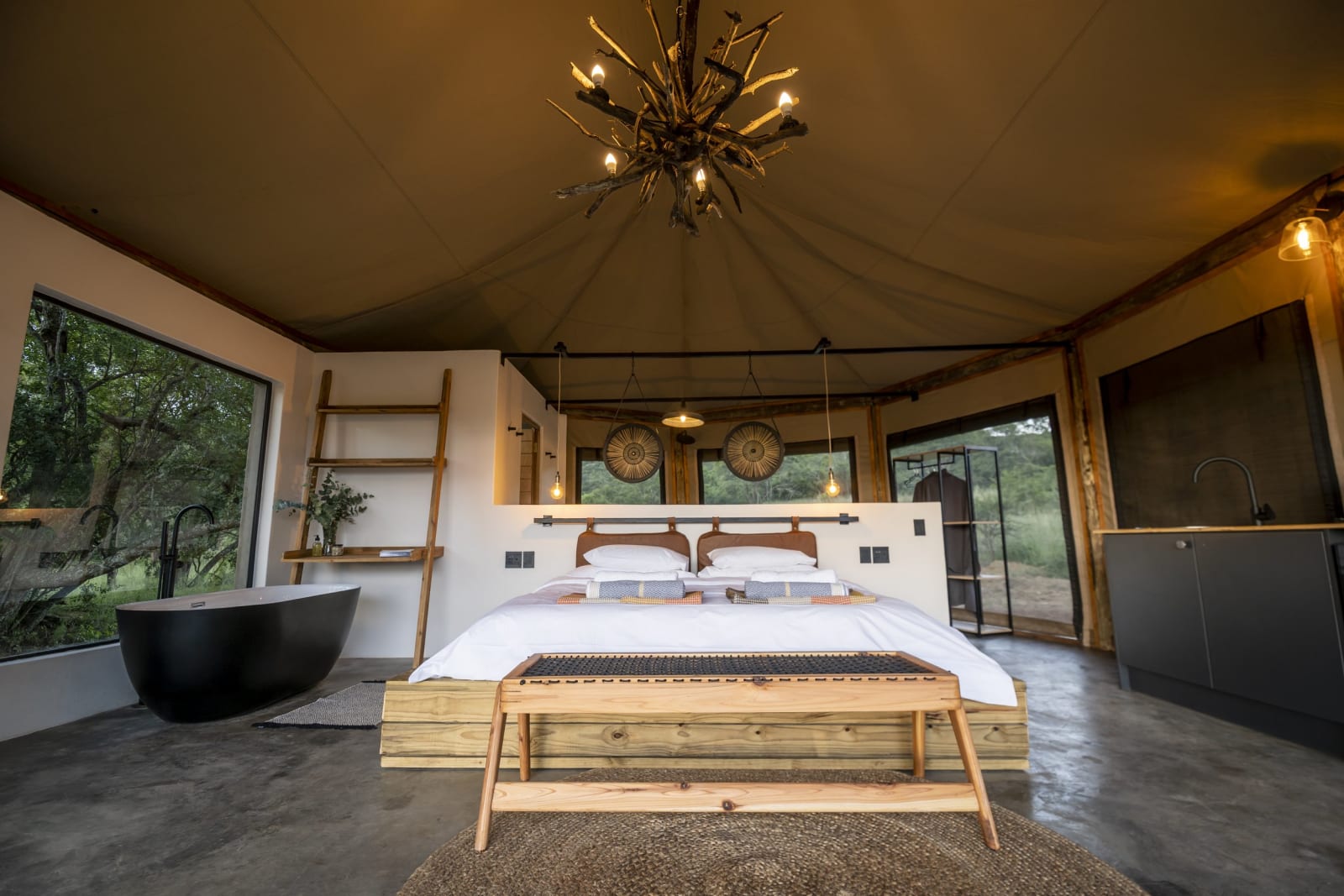
Bergville
Biome Prairie
Soutient Royal Drakensberg Education Trust et 2 autres causes
À partir de R 5,400 la nuit

Richmond
Accueillant pour les ornithologues · Biome Prairie
Soutient Isibindi Foundation
À partir de R 5,990 la nuit

Hluhluwe-Imfolozi Park
Biome Savane · African wild dog · Spotted hyena
Soutient Isibindi Foundation
Prix sur demande

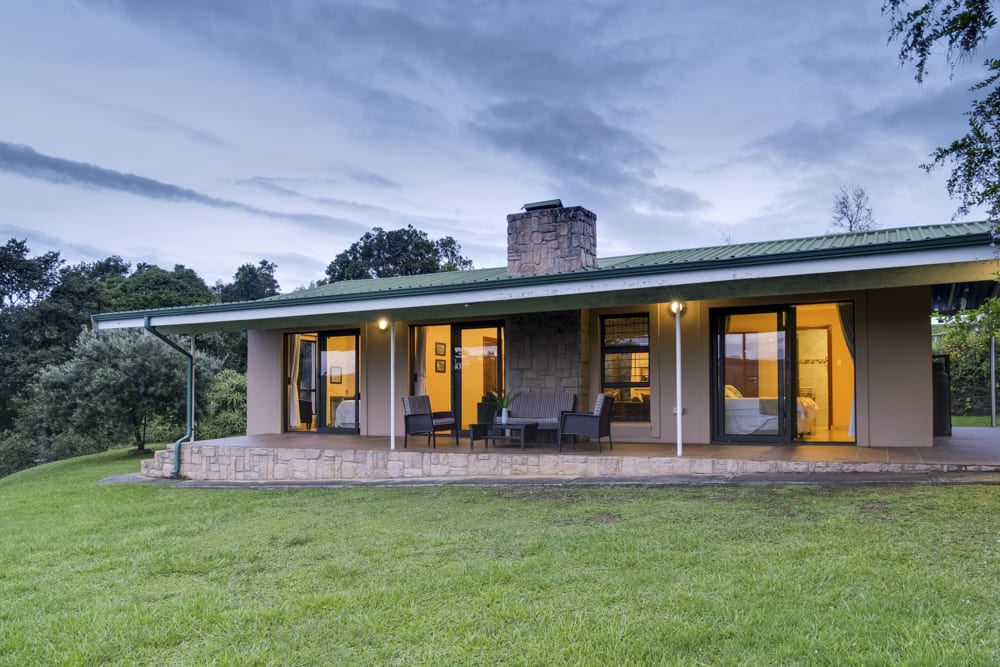
Drakensberg, Bergville
Biome Prairie · Spotted hyena · Leopard
Soutient Royal Drakensberg Education Trust
À partir de R 1,140 la nuit
Cathkin Park
Accueillant pour les ornithologues · Biome Prairie
Soutient Royal Drakensberg Education Trust
À partir de R 1,691 la nuit

iSimangaliso Wetland Park
Biome Forêt · Humpback whale · Southern right whale
Soutient Isibindi Foundation
Prix sur demande

Underberg
Accueillant pour les ornithologues · Biome Prairie · Blesbok · Serval
Soutient Zululand Conservation Trust et 3 autres causes
À partir de R 1,200 la nuit

Drakensberg, Bergville
Biome Prairie
Soutient Royal Drakensberg Education Trust
À partir de R 1,950 la nuit

Nottingham Road
Biome Prairie · Bushbuck · Serval
Soutient Royal Drakensberg Education Trust
À partir de R 4,100 la nuit

Phinda Private Game Reserve
Biome Savane · Leopard · Lion
Soutient Endangered Wildlife Trust
Prix sur demande

Ballito
Biome Ceinture côtière de l’océan Indien
Soutient National Sea Rescue Institute
À partir de R 3,995 la nuit

Howick
Accueillant pour les ornithologues · Biome Prairie · Bushbuck · Vervet monkey
Soutient Isibindi Foundation
À partir de R 795 la nuit

Phinda Private Game Reserve
Biome Savane · Leopard · Lion
Soutient Endangered Wildlife Trust
Prix sur demande

Mkuze
Accueillant pour les ornithologues · Biome Savane
Soutient Zululand Conservation Trust et 2 autres causes
À partir de R 1,840 la nuit
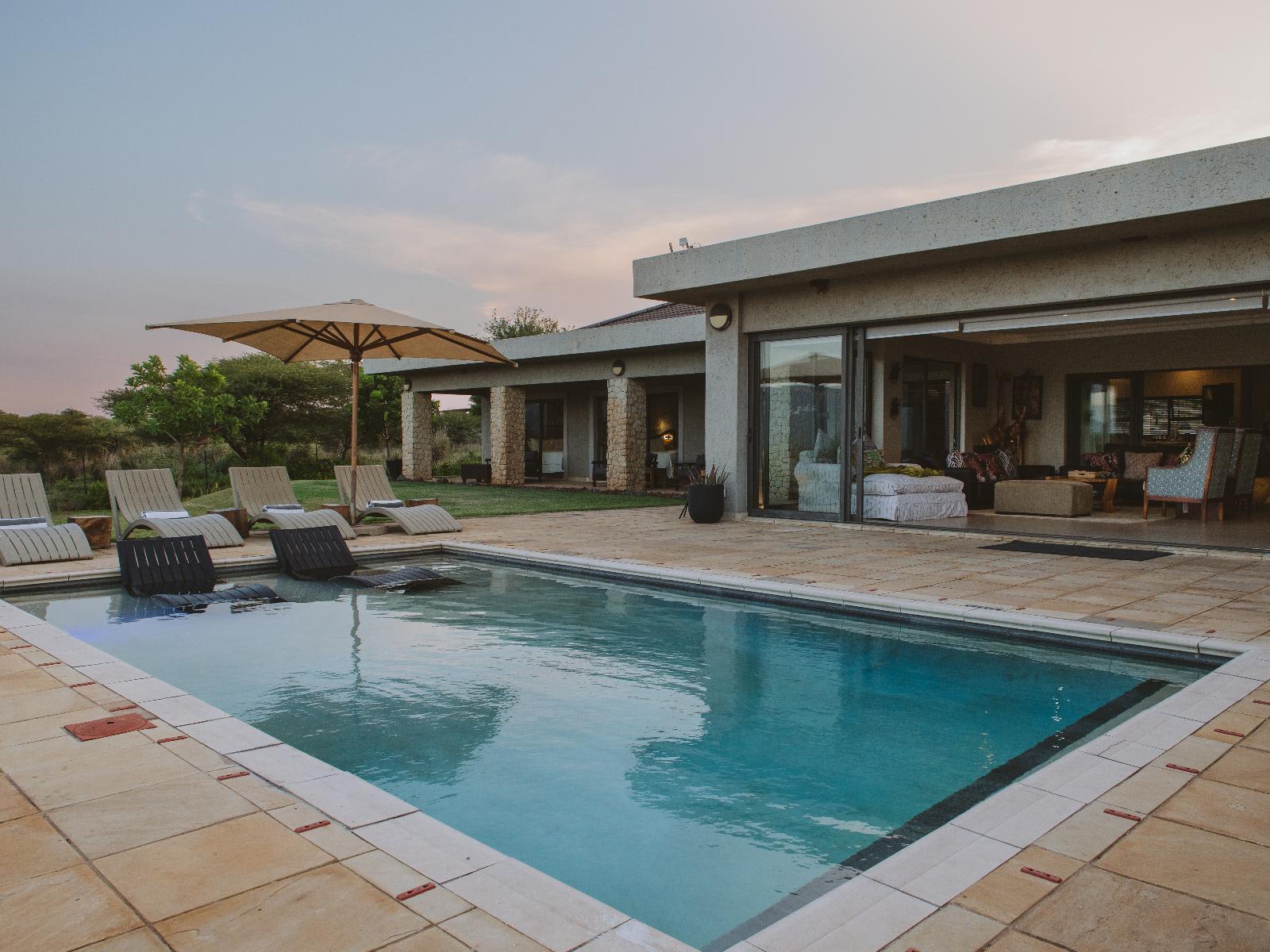
Mkuze
Accueillant pour les ornithologues · Biome Savane · African elephant · Cape buffalo
Soutient BirdLife South Africa
À partir de R 14,000 la nuit

Phinda Private Game Reserve
Biome Savane · Leopard · Lion
Soutient Endangered Wildlife Trust
Prix sur demande

Hluhluwe
Accueillant pour les ornithologues · Biome Savane · Giraffe · Nyala
Soutient BirdLife South Africa
À partir de R 3,280 la nuit

Hluhluwe
Accueillant pour les ornithologues · Biome Savane · Leopard · Giraffe
Soutient BirdLife South Africa
À partir de R 240 la nuit

Phinda Private Game Reserve
Biome Savane · Leopard · Lion
Soutient Endangered Wildlife Trust
Prix sur demande

Prochaine étape
Rolling green hills, dairy farms, and pottery studios
Voir les hébergements engagésPréparer un voyage
Black Stork : signalé par des hôtes dans ou près de iSimangaliso Wetland Park.
Espèce
Ciconia nigra
Observations
557
observations iNaturalist
Chaque réservation sur Spekboom soutient la conservation.
Une observation signifie qu’un hôte a vu l’espèce Black Stork sur place ou à proximité. Ce n’est jamais une garantie de la voir.
Hosts on Spekboom have recorded the Black Stork at stays in or beside iSimangaliso Wetland Park. A record means a host has seen it on the property or nearby, which makes these the places to base yourself; it is never a guarantee of a sighting on any given day.
The Black Stork is most recorded in Mpumalanga (40% of records), Limpopo (29% of records), Western Cape (12% of records), based on 557 iNaturalist observations. 2 places to stay on Spekboom in KwaZulu-Natal have recorded the Black Stork on site or nearby.
The Black Stork is recorded throughout the year, so no month is the wrong month to look for it. For the parks where hosts record it most, these are the best seasons they give. iSimangaliso Wetland Park: year-round, dry season May-Sep. In the dry months animals concentrate at water and the grass is short.
The black stork (Ciconia nigra) is a large bird in the stork family Ciconiidae. It was first described by Carl Linnaeus in the 10th edition of his Systema Naturae. Measuring on average 95 to 100 cm (37 to 39 in) from beak tip to end of tail with a 145-to-155 cm (57-to-61 in) wingspan, the adult black stork has mainly black plumage, with white underparts, long red legs and a long pointed red beak.


