
Kruger National Park
Limpopo · Best Apr to Sep
12 Orte

Trees & flora
Colophospermum mopane, commonly called mopane, mophane, mopani, balsam tree, butterfly tree, or turpentine tree, is a tree in the legume family (Fabaceae), that grows in hot, dry, low-lying areas, 200 to 1,150 metres (660 to 3,770 ft) in elevation, in the far northern parts of southern Africa.
Recorded year-round
Recorded in every month, so no month is the wrong month to look. We would rather say that than invent a best time.
Curve from 561 national iNaturalist observations, not from one property. Single-month spikes are discarded as upload artefacts, and below 50 records we show no curve at all.
Limpopo and beyond
Provinces where Mopane is most recorded. Tap one to find places to stay.
561 records, iNaturalist
In ganz Südafrika

Kruger National Park
Mopane hier erfasst · Savanne-Biom · Leopard · Spotted hyena
Hilft BirdLife South Africa
Ab R 11,820 pro Nacht
Kruger National Park
Mopane hier erfasst · Savanne-Biom · Flaky bark thorn · Leadwood
Ab R 379 pro Nacht

Kruger National Park
Mopane hier erfasst · Savanne-Biom · Knobthorn · Leadwood
Ab R 1,445 pro Nacht

Welgevonden Game Reserve
Mopane hier erfasst · Savanne-Biom · Giraffe · African elephant
Hilft DAKTARI Bush School und einem weiteren Projekt
Preis auf Anfrage

Kruger National Park
Mopane hier erfasst · Savanne-Biom · Knobthorn · Leadwood
Ab R 10,966 pro Nacht

Kruger National Park
Mopane hier erfasst · Savanne-Biom · Flaky bark thorn · Giraffe
Ab R 7,295 pro Nacht

Timbavati Private Nature Reserve
Mopane hier erfasst · Savanne-Biom · Leopard · Lion
Hilft DAKTARI Bush School und einem weiteren Projekt
Preis auf Anfrage
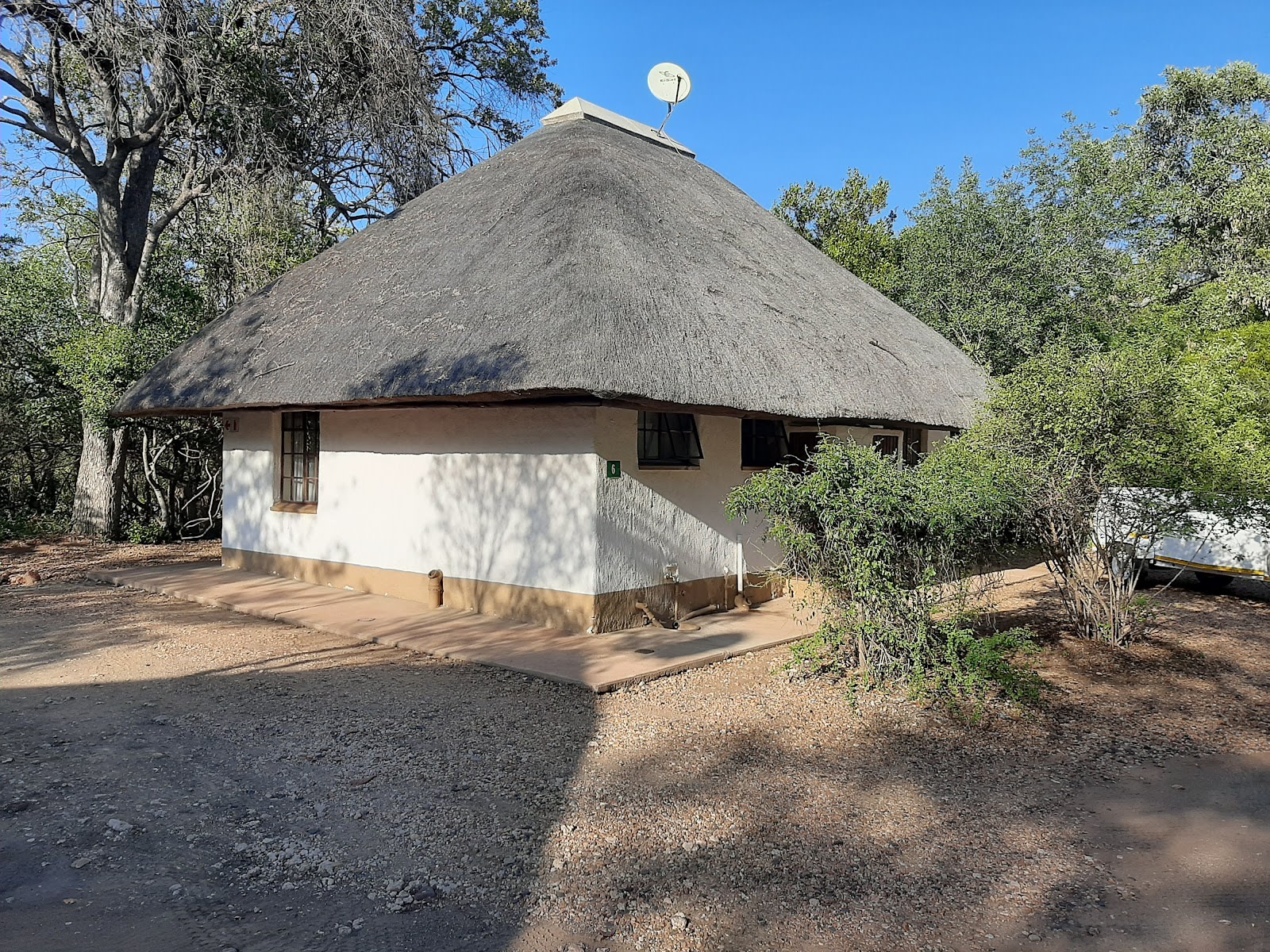
Kruger National Park
Mopane hier erfasst · Savanne-Biom · Blue wildebeest · Bushbuck
Ab R 2,820 pro Nacht

Kruger National Park
Mopane hier erfasst · Savanne-Biom · Cheetah · Impala lily
Ab R 1,634 pro Nacht

Timbavati Private Nature Reserve
Mopane hier erfasst · Savanne-Biom · Leopard · Lion
Hilft Endangered Wildlife Trust
Preis auf Anfrage
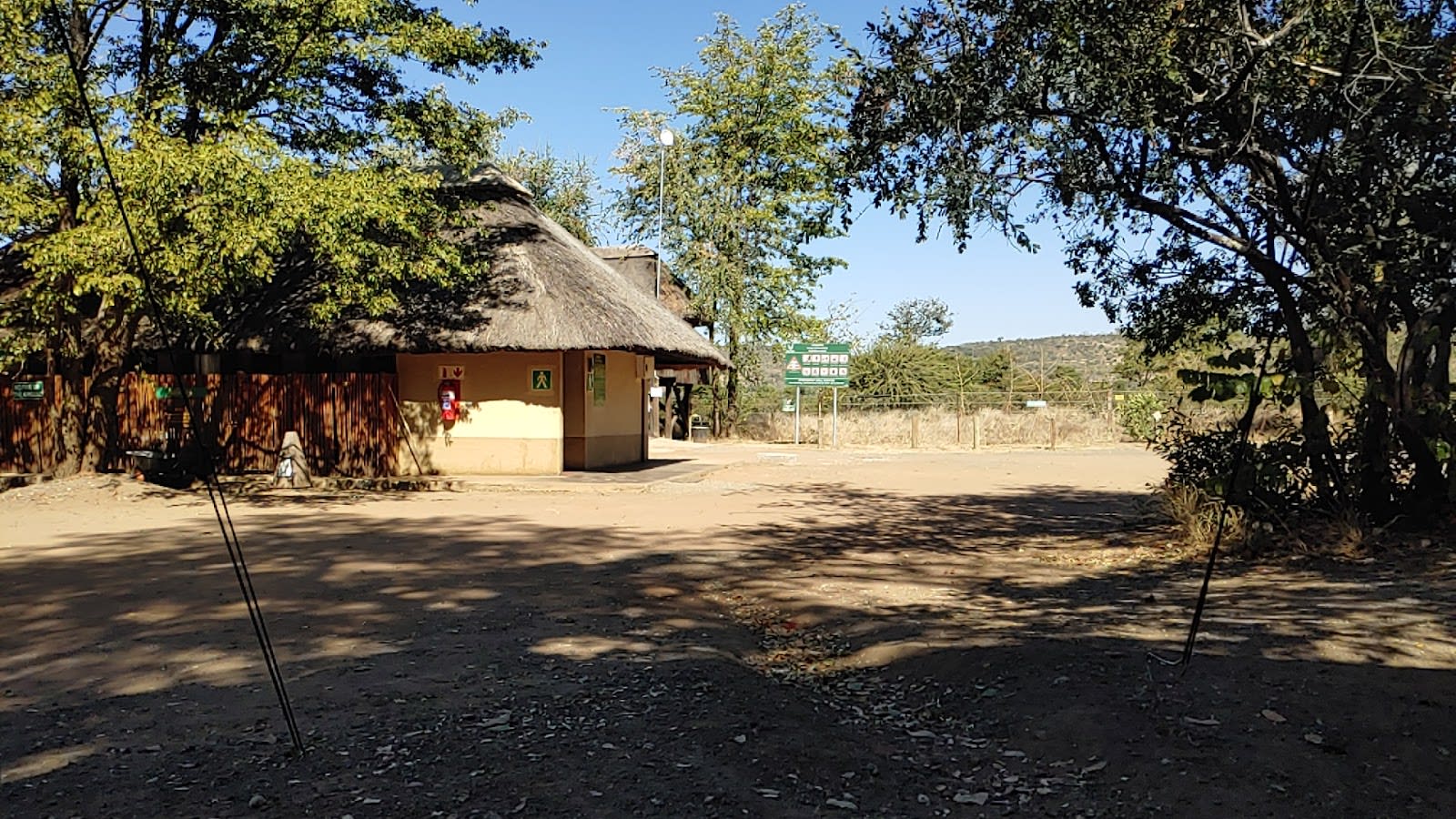
Kruger National Park
Mopane hier erfasst · Savanne-Biom · Baobab · Fever tree
Ab R 319 pro Nacht

Kruger National Park
Mopane hier erfasst · Savanne-Biom · Blue wildebeest · Flaky bark thorn
Ab R 1,522 pro Nacht
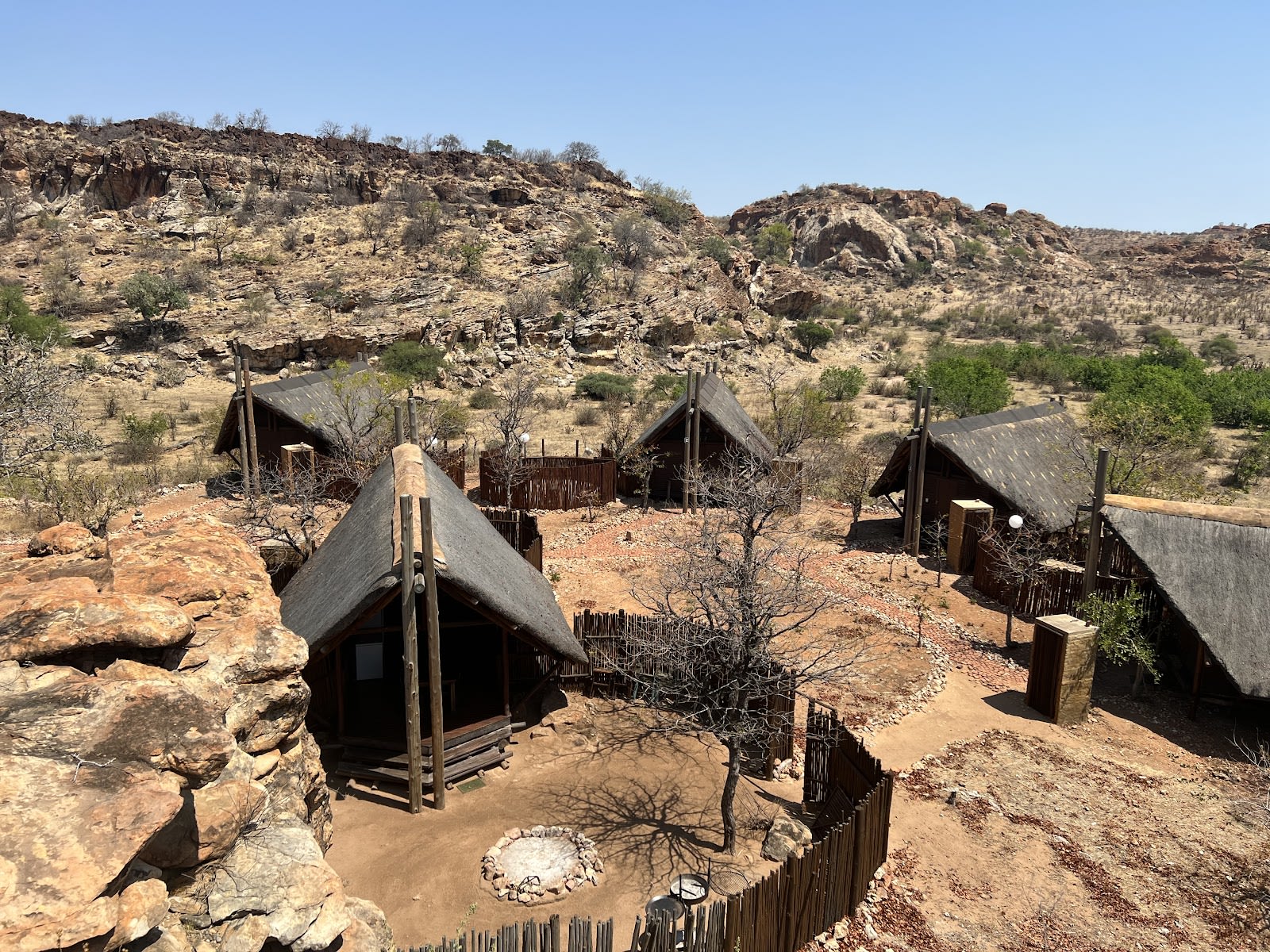
Mapungubwe National Park
Mopane hier erfasst · Savanne-Biom · Baobab · Mopane
Ab R 1,044 pro Nacht

Kruger National Park
Mopane hier erfasst · Savanne-Biom · Bushbuck · Cheetah
Ab R 378 pro Nacht
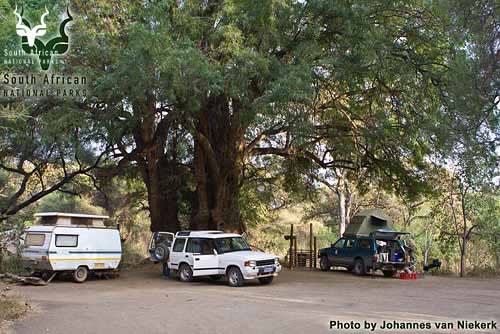
Mapungubwe National Park
Mopane hier erfasst · Savanne-Biom · Baobab · Mopane
Ab R 339 pro Nacht

Mokala National Park
Mopane hier erfasst · Savanne-Biom · Mopane · Spekboom
Ab R 1,206 pro Nacht

Kruger National Park
Mopane hier erfasst · Savanne-Biom · Baobab · Cheetah
Ab R 1,670 pro Nacht

Kruger National Park
Mopane hier erfasst · Savanne-Biom · Baobab · Fever tree
Ab R 3,458 pro Nacht

Voëlklip, Hermanus
Fynbos-Biom · Southern right whale
Hilft Stanford Animal Welfare Society und einem weiteren Projekt
Ab R 2,235 pro Nacht

Swellendam
Fynbos-Biom
Hilft Barrydale Hospice
Ab R 4,355 pro Nacht
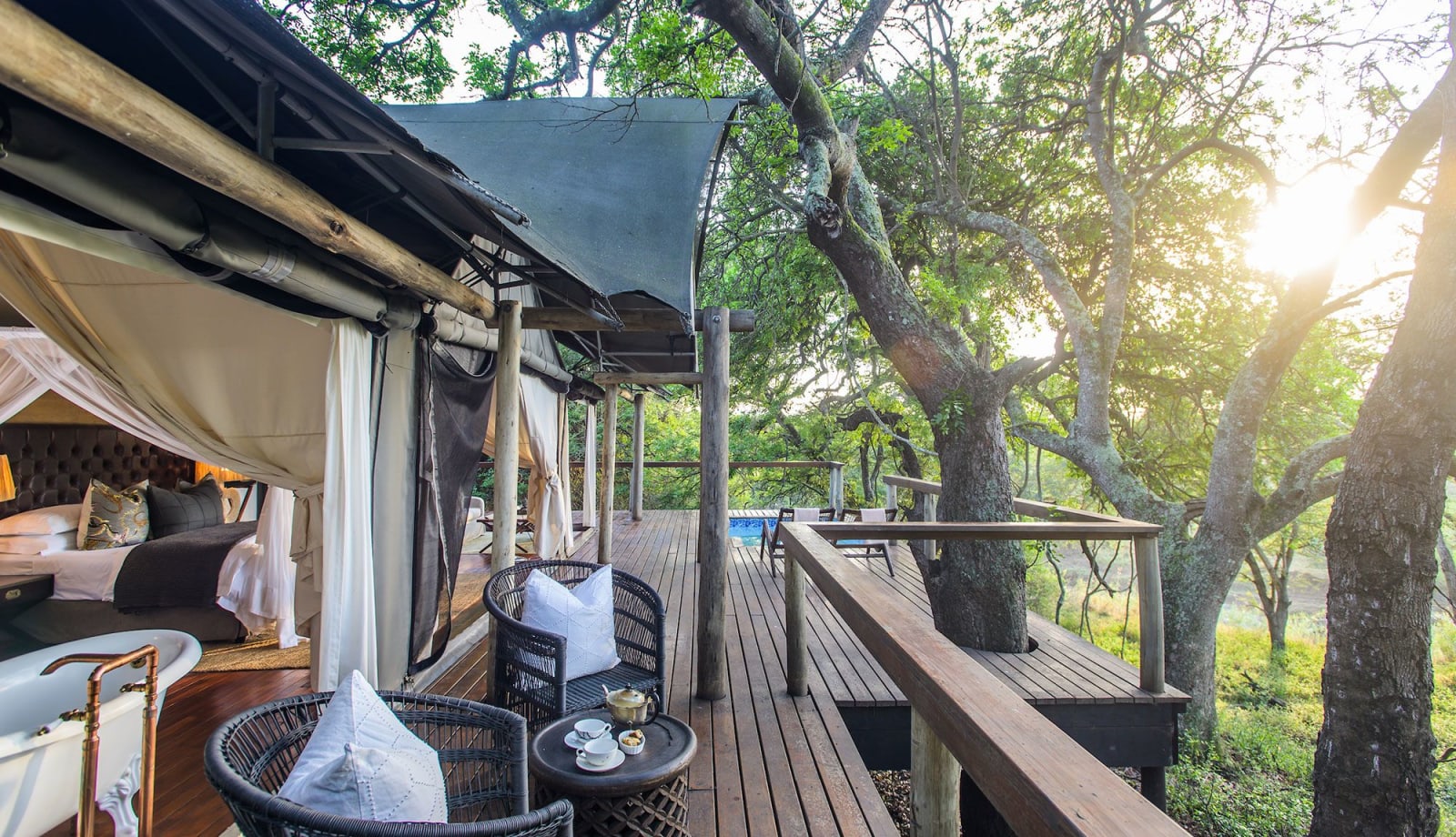
Hazyview
Savanne-Biom · Leopard · Lion
Hilft Zululand Conservation Trust und einem weiteren Projekt
Ab R 22,680 pro Nacht

Riebeek Valley, Riebeek West
Fynbos-Biom · Black wildebeest · Bontebok
Hilft BirdLife South Africa
Ab R 5,636 pro Nacht

Franschhoek
Fynbos-Biom · English oak
Hilft Cape Leopard Trust
Ab R 6,195 pro Nacht

Klapmuts, Simondium
Angulate tortoise · Wild olive
Preis auf Anfrage

Nächster Halt
Sandstone amphitheatres and cool mountain air
Orte ansehen, die etwas zurückgebenEine Reise planen
Gastgeber haben die Art Mopane in oder bei Kruger National Park, Mapungubwe National Park and Timbavati Private Nature Reserve erfasst.
Art
Colophospermum mopane
Nachweise
561
iNaturalist-Beobachtungen
Jede Buchung auf Spekboom unterstützt den Naturschutz.
Ein Nachweis bedeutet, dass ein Gastgeber die Art Mopane auf dem Grundstück oder in der Nähe gesehen hat. Eine Sichtung ist nie garantiert.
Hosts on Spekboom have recorded the Mopane at stays in or beside Kruger National Park, Mapungubwe National Park, Timbavati Private Nature Reserve, Mokala National Park and Welgevonden Game Reserve. A record means a host has seen it on the property or nearby, which makes these the places to base yourself; it is never a guarantee of a sighting on any given day.
The Mopane is most recorded in Limpopo (93% of records), Mpumalanga (7% of records), based on 561 iNaturalist observations. 18 places to stay on Spekboom in South Africa have recorded the Mopane on site or nearby.
The Mopane is recorded throughout the year, so no month is the wrong month to look for it. For the parks where hosts record it most, these are the best seasons they give. Kruger National Park: Apr-Sep; Mapungubwe National Park: May-Sep, dry season; Timbavati Private Nature Reserve: May-Sep, dry season; Mokala National Park: Aug-Oct, flowers, Mar-May. In the dry months animals concentrate at water and the grass is short.
Colophospermum mopane, commonly called mopane, mophane, mopani, balsam tree, butterfly tree, or turpentine tree, is a tree in the legume family (Fabaceae), that grows in hot, dry, low-lying areas, 200 to 1,150 metres (660 to 3,770 ft) in elevation, in the far northern parts of southern Africa. The tree only occurs in Africa and is the only species in genus Colophospermum.


