
Hluhluwe-Imfolozi Park
KwaZulu-Natal · Year-round
1 Ort

The striated heron (Butorides striata) also known as mangrove heron, little heron or green-backed heron, is a small heron, about 44 cm tall.
In ganz KwaZulu-Natal
Hluhluwe-Imfolozi Park
Green-backed Heron hier erfasst · Savanne-Biom · African wild dog · Spotted hyena
Hilft Isibindi Foundation
Preis auf Anfrage

iSimangaliso Wetland Park
Zuverlässig zu sehen · Für Vogelbeobachter · Wald-Biom · Hippopotamus · Nile crocodile
Hilft Isibindi Foundation und einem weiteren Projekt
Preis auf Anfrage

Umdloti, Ballito
Küstengürtel am Indischen Ozean-Biom
Hilft Isibindi Foundation
Ab R 13,000 pro Nacht
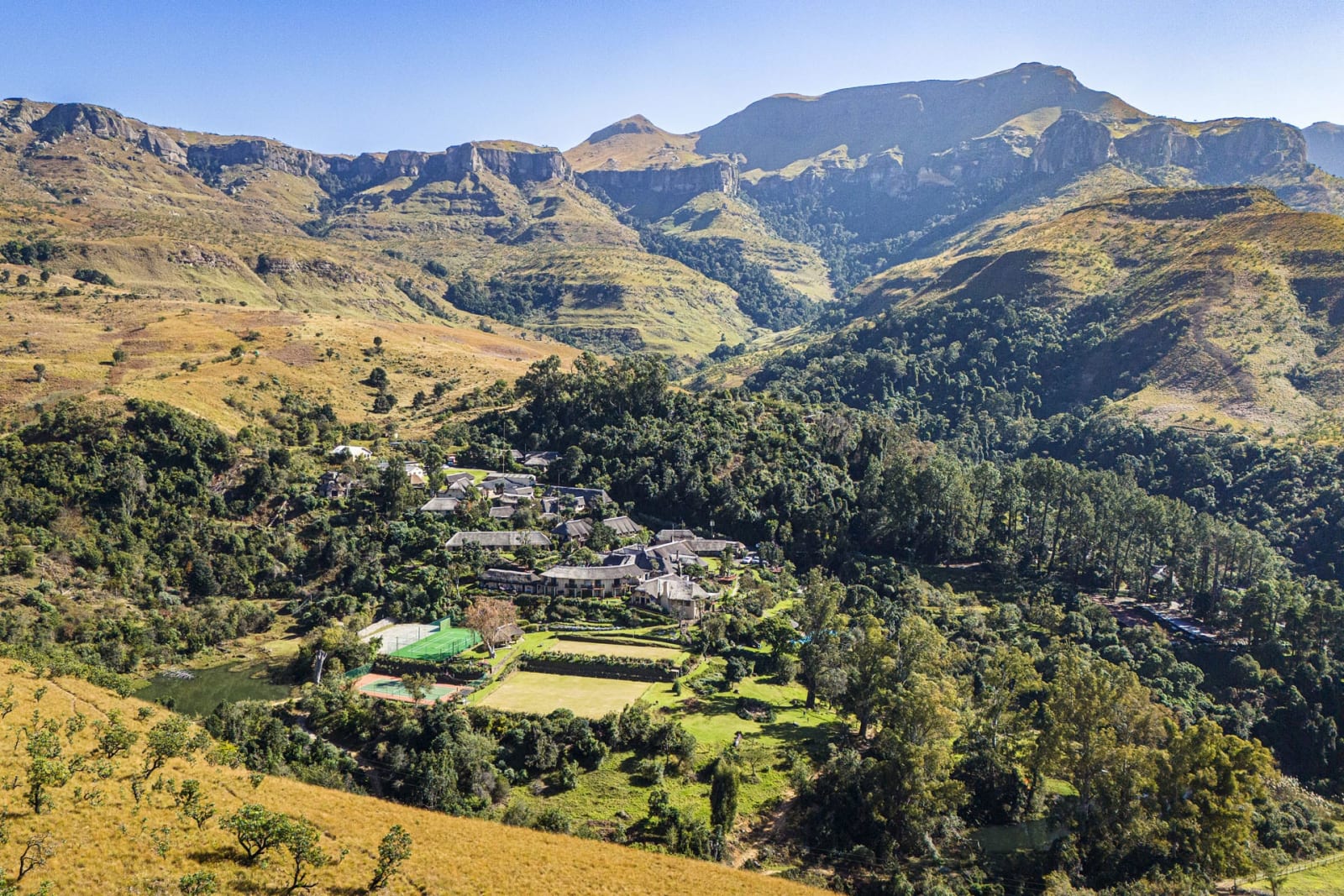
Drakensberg, Bergville
Grasland-Biom
Hilft Royal Drakensberg Education Trust
Ab R 4,280 pro Nacht
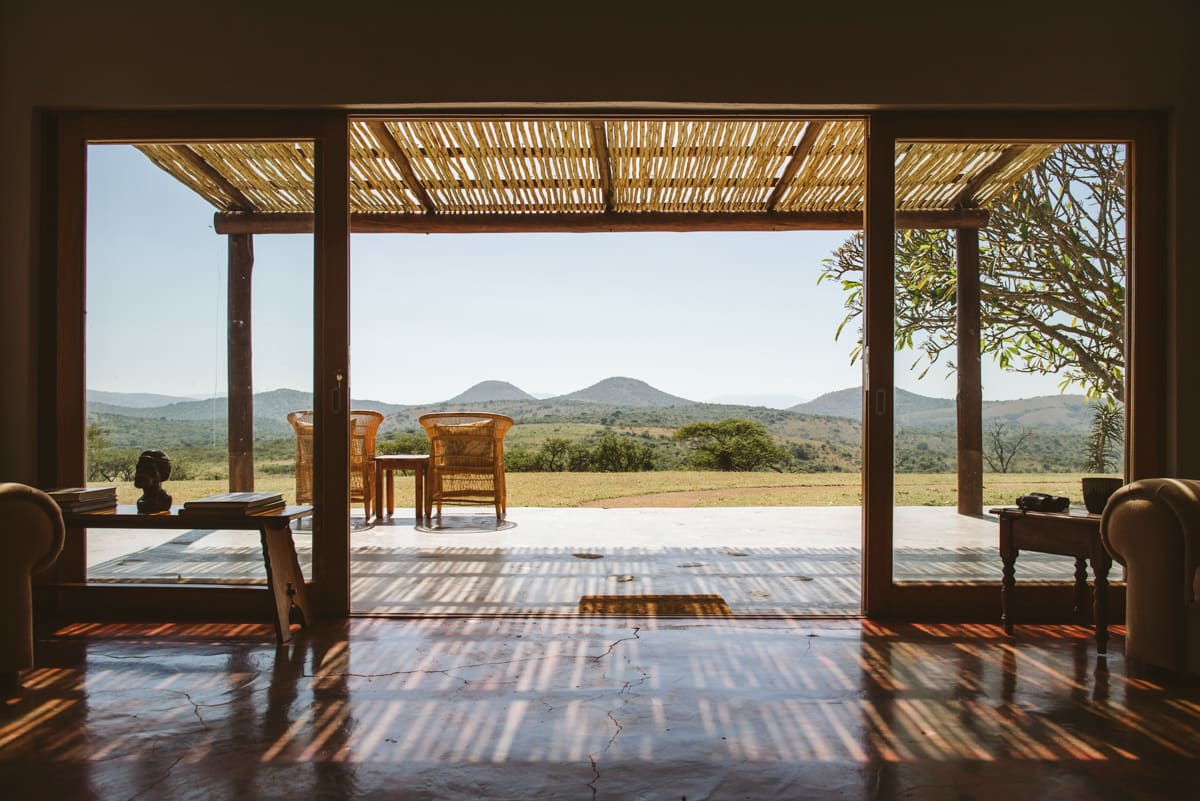
Magudu
Für Vogelbeobachter · Savanne-Biom · Leopard · Lion
Hilft Zululand Conservation Trust
Ab R 1,280 pro Nacht
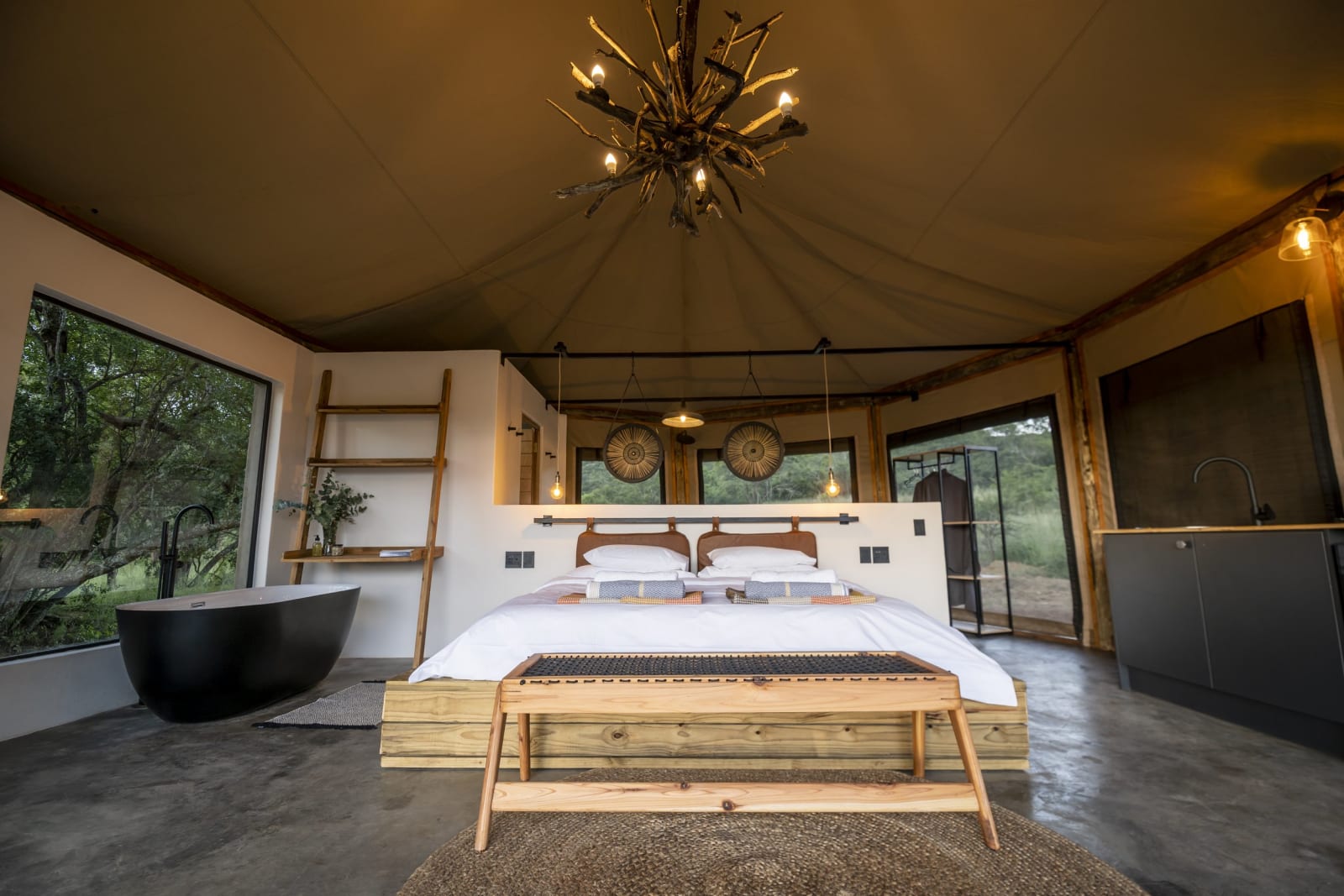
Bergville
Grasland-Biom
Hilft Royal Drakensberg Education Trust und 2 weiteren Projekten
Ab R 5,400 pro Nacht

Richmond
Für Vogelbeobachter · Grasland-Biom
Hilft Isibindi Foundation
Ab R 5,990 pro Nacht

Drakensberg, Bergville
Grasland-Biom · Spotted hyena · Leopard
Hilft Royal Drakensberg Education Trust
Ab R 1,140 pro Nacht
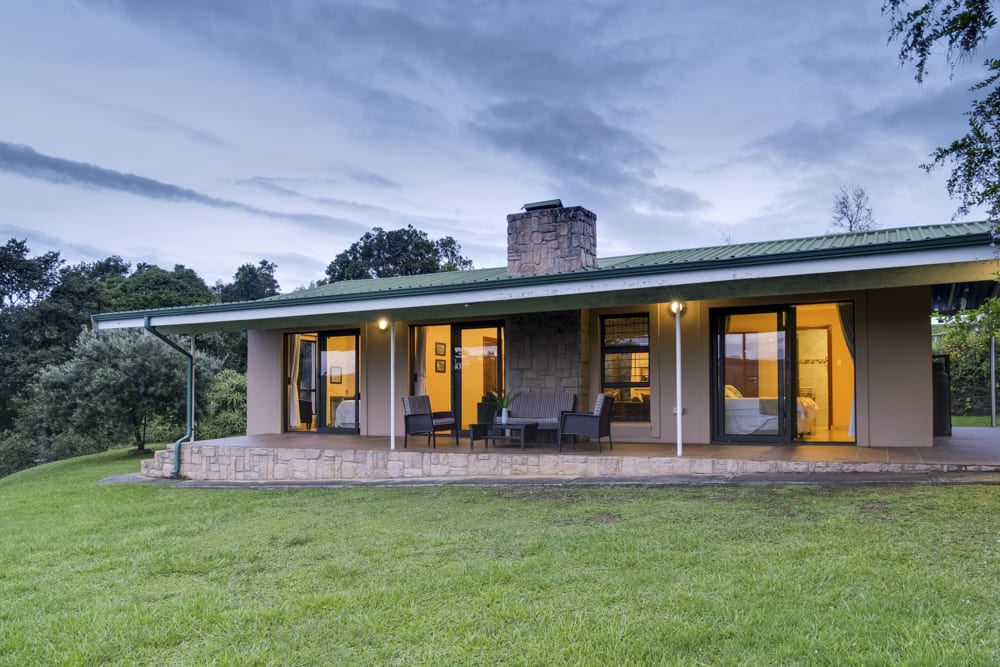
Cathkin Park
Für Vogelbeobachter · Grasland-Biom
Hilft Royal Drakensberg Education Trust
Ab R 1,691 pro Nacht

iSimangaliso Wetland Park
Wald-Biom · Humpback whale · Southern right whale
Hilft Isibindi Foundation
Preis auf Anfrage

Underberg
Für Vogelbeobachter · Grasland-Biom · Blesbok · Serval
Hilft Zululand Conservation Trust und 3 weiteren Projekten
Ab R 1,200 pro Nacht

Drakensberg, Bergville
Grasland-Biom
Hilft Royal Drakensberg Education Trust
Ab R 1,950 pro Nacht

Drakensberg, Bergville
Für Vogelbeobachter · Grasland-Biom · Bushbuck · Common eland
Hilft Royal Drakensberg Education Trust und einem weiteren Projekt
Ab R 6,800 pro Nacht
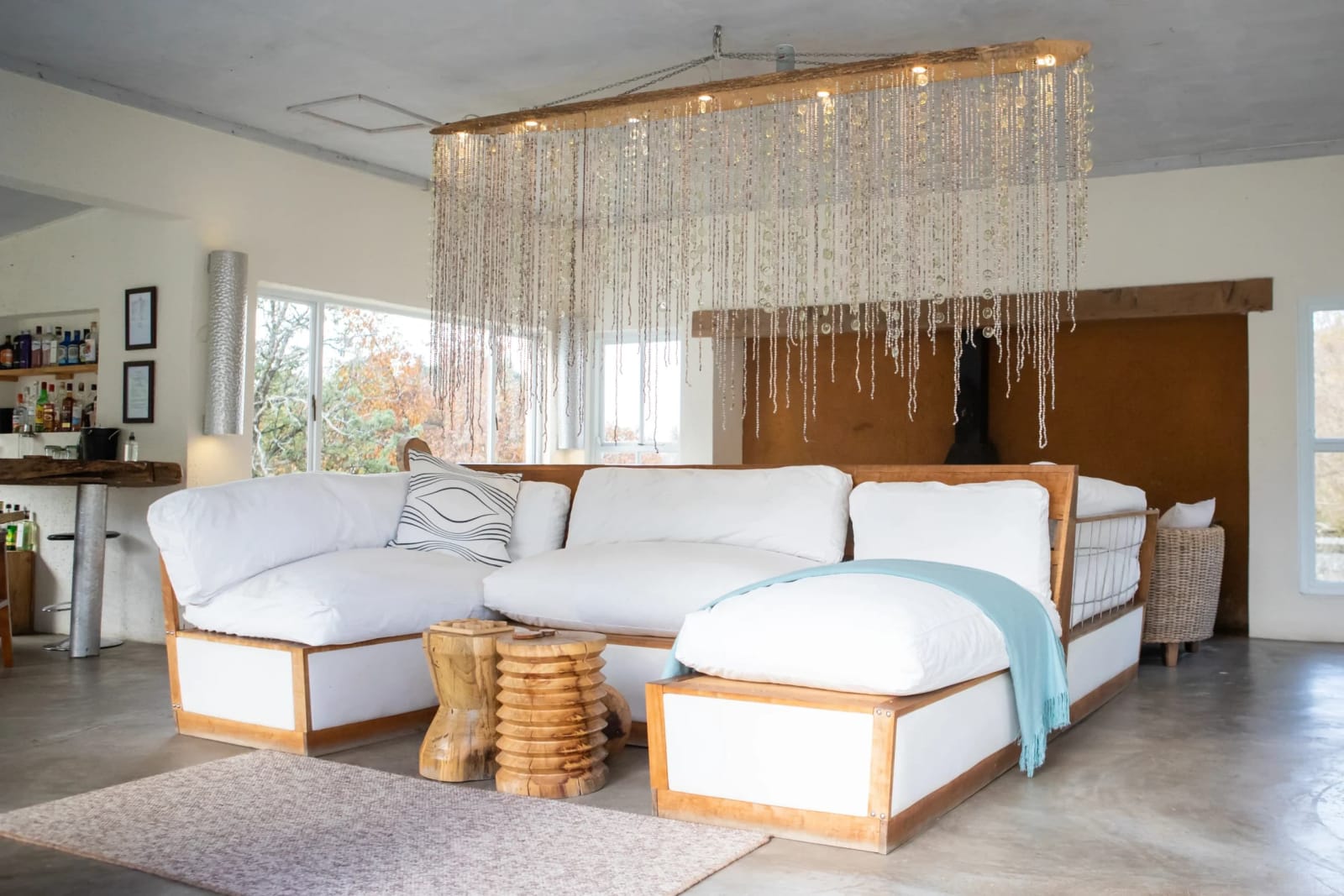
Nottingham Road
Grasland-Biom · Bushbuck · Serval
Hilft Royal Drakensberg Education Trust
Ab R 4,100 pro Nacht

Phinda Private Game Reserve
Savanne-Biom · Leopard · Lion
Hilft Endangered Wildlife Trust
Preis auf Anfrage

Ballito
Küstengürtel am Indischen Ozean-Biom
Hilft National Sea Rescue Institute
Ab R 3,995 pro Nacht

Howick
Für Vogelbeobachter · Grasland-Biom · Bushbuck · Vervet monkey
Hilft Isibindi Foundation
Ab R 795 pro Nacht

Phinda Private Game Reserve
Savanne-Biom · Leopard · Lion
Hilft Endangered Wildlife Trust
Preis auf Anfrage

Mkuze
Für Vogelbeobachter · Savanne-Biom
Hilft Zululand Conservation Trust und 2 weiteren Projekten
Ab R 1,840 pro Nacht
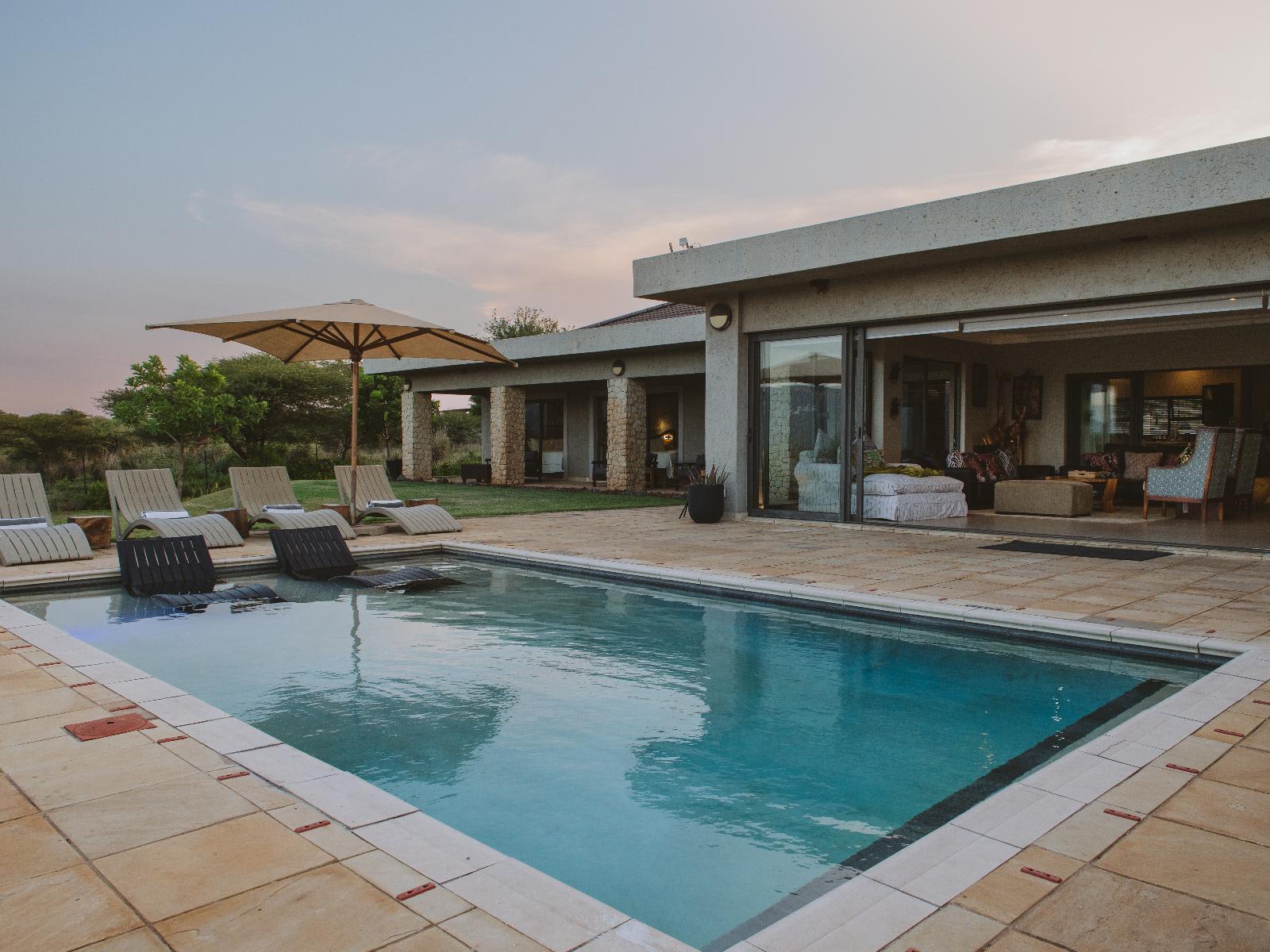
Mkuze
Für Vogelbeobachter · Savanne-Biom · African elephant · Cape buffalo
Hilft BirdLife South Africa
Ab R 14,000 pro Nacht

Phinda Private Game Reserve
Savanne-Biom · Leopard · Lion
Hilft Endangered Wildlife Trust
Preis auf Anfrage

Hluhluwe
Für Vogelbeobachter · Savanne-Biom · Giraffe · Nyala
Hilft BirdLife South Africa
Ab R 3,280 pro Nacht

Hluhluwe
Für Vogelbeobachter · Savanne-Biom · Leopard · Giraffe
Hilft BirdLife South Africa
Ab R 240 pro Nacht

Phinda Private Game Reserve
Savanne-Biom · Leopard · Lion
Hilft Endangered Wildlife Trust
Preis auf Anfrage

Nächster Halt
Rolling green hills, dairy farms, and pottery studios
Orte ansehen, die etwas zurückgebenEine Reise planen
Gastgeber haben die Art Green-backed Heron in oder bei Hluhluwe-Imfolozi Park and iSimangaliso Wetland Park erfasst.
Art
Butorides striata
Jede Buchung auf Spekboom unterstützt den Naturschutz.
Ein Nachweis bedeutet, dass ein Gastgeber die Art Green-backed Heron auf dem Grundstück oder in der Nähe gesehen hat. Eine Sichtung ist nie garantiert.
Hosts on Spekboom have recorded the Green-backed Heron at stays in or beside Hluhluwe-Imfolozi Park and iSimangaliso Wetland Park. A record means a host has seen it on the property or nearby, which makes these the places to base yourself; it is never a guarantee of a sighting on any given day.
The striated heron (Butorides striata) also known as mangrove heron, little heron or green-backed heron, is a small heron, about 44 cm tall. Striated herons are mostly non-migratory and noted for some interesting behavioral traits. Their breeding habitat is small wetlands in the Old World tropics from west Africa to Japan and Australia, and in South America.


