

Addo Elephant National Park
Eastern Cape · Year-round
5 Orte

The sooty albatross, dark-mantled sooty albatross or dark-mantled albatross, (Phoebetria fusca), is a species of bird in the albatross family.
In ganz Ostkap

Addo Elephant National Park
Sooty Albatross hier erfasst

Addo Elephant National Park
Sooty Albatross hier erfasst
Addo Elephant National Park
Sooty Albatross hier erfasst

Addo Elephant National Park
Sooty Albatross hier erfasst

Addo Elephant National Park
Sooty Albatross hier erfasst

St Francis Bay

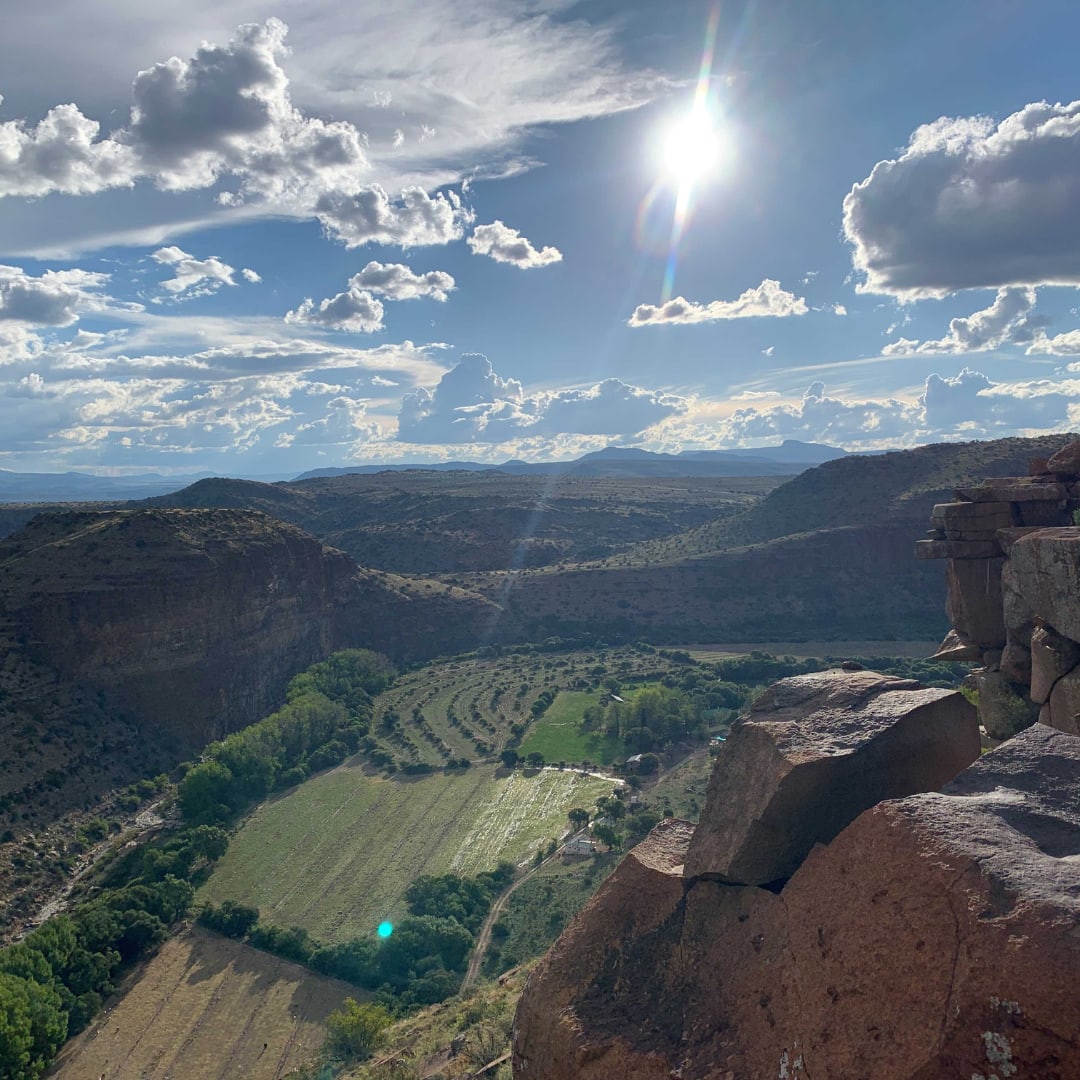
Nieu Bethesda

Für Vogelbeobachter

Hankey
Für Vogelbeobachter

Sundays River Valley, Addo


Walmer, Port Elizabeth

Kwandwe Private Game Reserve

Mkambati Nature Reserve
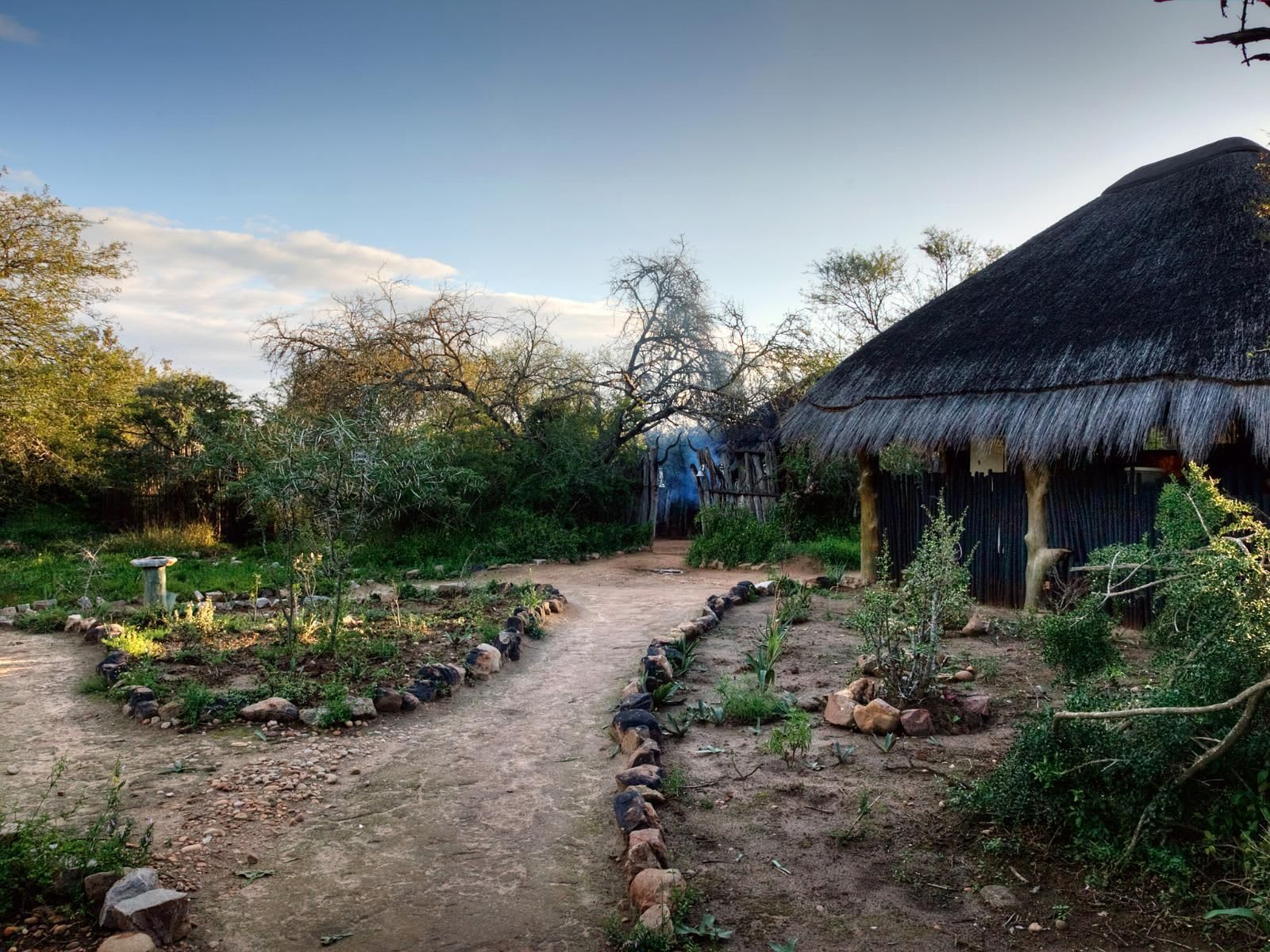
Paterson


Kwandwe Private Game Reserve

Sneeuberg Nature Reserve, Nieu Bethesda

Amakhala Game Reserve

Kwandwe Private Game Reserve

Sundays River Valley, Addo

Aberdeen
Für Vogelbeobachter

Kwandwe Private Game Reserve

Rhodes
Für Vogelbeobachter

Garden Route National Park

Kwandwe Private Game Reserve

Mountain Zebra National Park

Nächster Halt
Forests, lagoons, and Knysna's sheltered bay
Orte ansehen, die etwas zurückgebenEine Reise planen
Gastgeber haben die Art Sooty Albatross in oder bei Addo Elephant National Park erfasst.
Selbst fahren
Eigenes Fahrzeug, eigenes Tempo, auf den Straßen des Parks.
Wo Gastgeber die Art erfassen
Rote Liste der IUCN
Endangered
Art
Phoebetria fusca
Jede Buchung auf Spekboom unterstützt den Naturschutz.
Ein Nachweis bedeutet, dass ein Gastgeber die Art Sooty Albatross auf dem Grundstück oder in der Nähe gesehen hat. Eine Sichtung ist nie garantiert.
Hosts on Spekboom have recorded the Sooty Albatross at stays in or beside Addo Elephant National Park. A record means a host has seen it on the property or nearby, which makes these the places to base yourself; it is never a guarantee of a sighting on any given day.
The Sooty Albatross (Phoebetria fusca) is listed as Endangered on the IUCN Red List.
The sooty albatross, dark-mantled sooty albatross or dark-mantled albatross, (Phoebetria fusca), is a species of bird in the albatross family. They breed on sub-Antarctic islands and range at sea across the Southern Ocean from South America to Australia.