

Addo Elephant National Park
Eastern Cape · Year-round
5 Orte

The pectoral sandpiper (Calidris melanotos) is a small, migratory wader that breeds in North America and Asia, wintering in South America and Oceania.
Most records Dec to Feb
When Pectoral Sandpiper sightings peak, from open records. Outside these months it is seen less often, not never.
Curve from 59 national iNaturalist observations, not from one property. Single-month spikes are discarded as upload artefacts, and below 50 records we show no curve at all.
Western Cape and beyond
Provinces where Pectoral Sandpiper is most recorded. Tap one to find places to stay.
59 records, iNaturalist
In ganz Ostkap

Addo Elephant National Park
Pectoral Sandpiper hier erfasst

Addo Elephant National Park
Pectoral Sandpiper hier erfasst
Addo Elephant National Park
Pectoral Sandpiper hier erfasst

Addo Elephant National Park
Pectoral Sandpiper hier erfasst

Addo Elephant National Park
Pectoral Sandpiper hier erfasst

St Francis Bay


Sneeuberg Nature Reserve, Nieu Bethesda


Amakhala Game Reserve

Sundays River Valley, Addo


Walmer, Port Elizabeth

Kwandwe Private Game Reserve

Mkambati Nature Reserve
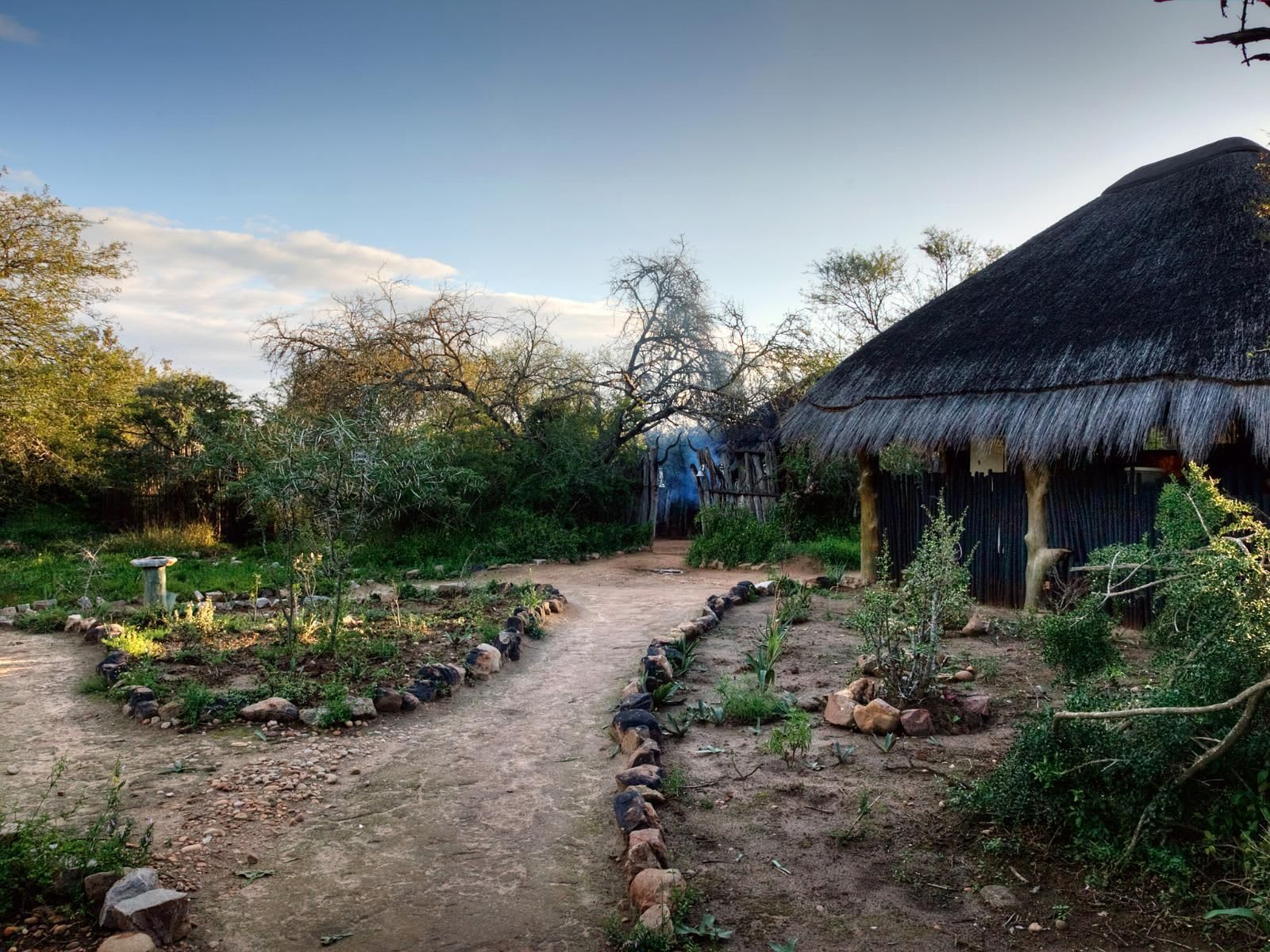
Paterson

Kwandwe Private Game Reserve

Sundays River Valley, Addo

Aberdeen

Für Vogelbeobachter

Kwandwe Private Game Reserve
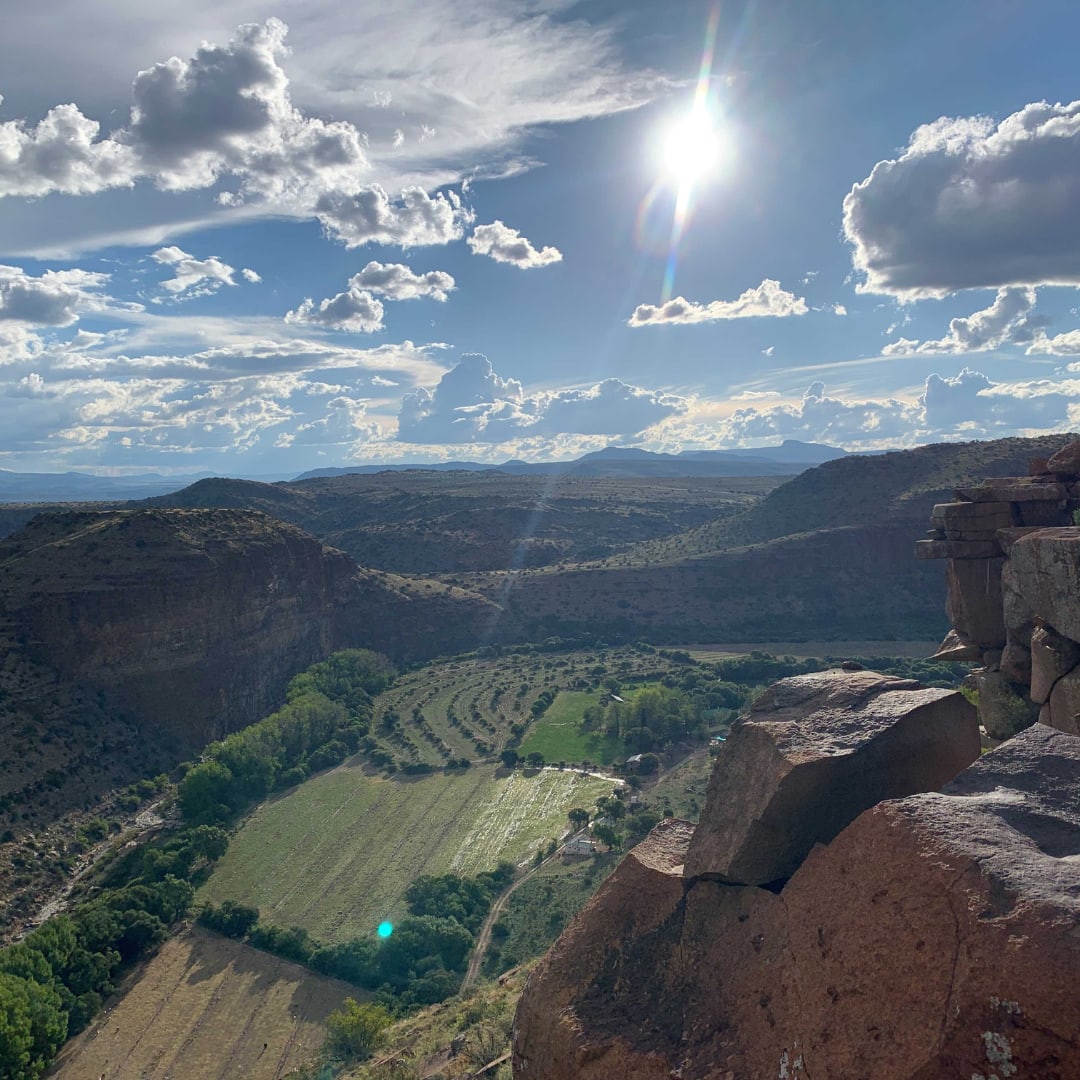
Nieu Bethesda
Für Vogelbeobachter

Hankey
Für Vogelbeobachter

Kwandwe Private Game Reserve

Rhodes
Für Vogelbeobachter

Garden Route National Park

Kwandwe Private Game Reserve

Mountain Zebra National Park

Nächster Halt
Forests, lagoons, and Knysna's sheltered bay
Orte ansehen, die etwas zurückgebenEine Reise planen
Gastgeber haben die Art Pectoral Sandpiper in oder bei Addo Elephant National Park erfasst.
Selbst fahren
Eigenes Fahrzeug, eigenes Tempo, auf den Straßen des Parks.
Wo Gastgeber die Art erfassen
Art
Calidris melanotos
Nachweise
59
iNaturalist-Beobachtungen
Jede Buchung auf Spekboom unterstützt den Naturschutz.
Ein Nachweis bedeutet, dass ein Gastgeber die Art Pectoral Sandpiper auf dem Grundstück oder in der Nähe gesehen hat. Eine Sichtung ist nie garantiert.
Hosts on Spekboom have recorded the Pectoral Sandpiper at stays in or beside Addo Elephant National Park. A record means a host has seen it on the property or nearby, which makes these the places to base yourself; it is never a guarantee of a sighting on any given day.
The Pectoral Sandpiper is most recorded in Western Cape (78% of records), KwaZulu-Natal (10% of records), Mpumalanga (5% of records), based on 59 iNaturalist observations. 5 places to stay on Spekboom in Eastern Cape have recorded the Pectoral Sandpiper on site or nearby.
Sightings of the Pectoral Sandpiper peak from Dec to Feb, based on 59 iNaturalist records. You may still see it outside those months, sightings are just less frequent.
The pectoral sandpiper (Calidris melanotos) is a small, migratory wader that breeds in North America and Asia, wintering in South America and Oceania. It eats small invertebrates. Its nest, a hole scraped in the ground and with a thick lining, is deep enough to protect its four eggs from the cool breezes of its breeding grounds.
