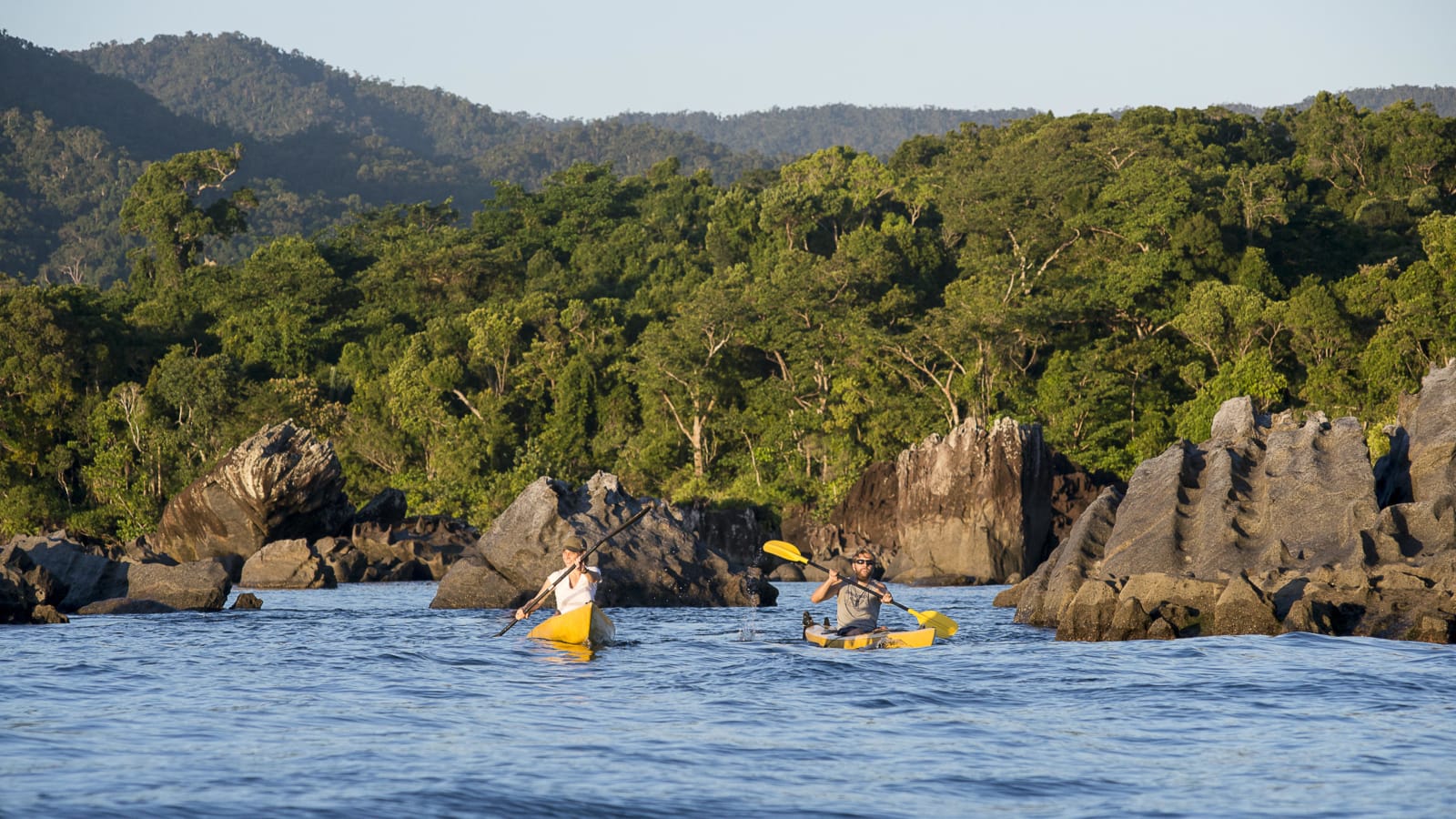
Masoala National Park
Sava · Best Drier months
1 Ort

The helmet vanga (Euryceros prevostii) is a distinctive-looking bird of the vanga family, Vangidae, and is classified in its own genus, Euryceros.
In diesen Schutzgebieten erfassen Gastgeber auf Spekboom die Art.
Most records Sep to Dec
When Helmet Vanga sightings peak, from open records. Outside these months it is seen less often, not never.
Curve from 90 national iNaturalist observations, not from one property. Single-month spikes are discarded as upload artefacts, and below 50 records we show no curve at all.
In ganz Südafrika

Benguela Cove, Hermanus

Für Vogelbeobachter
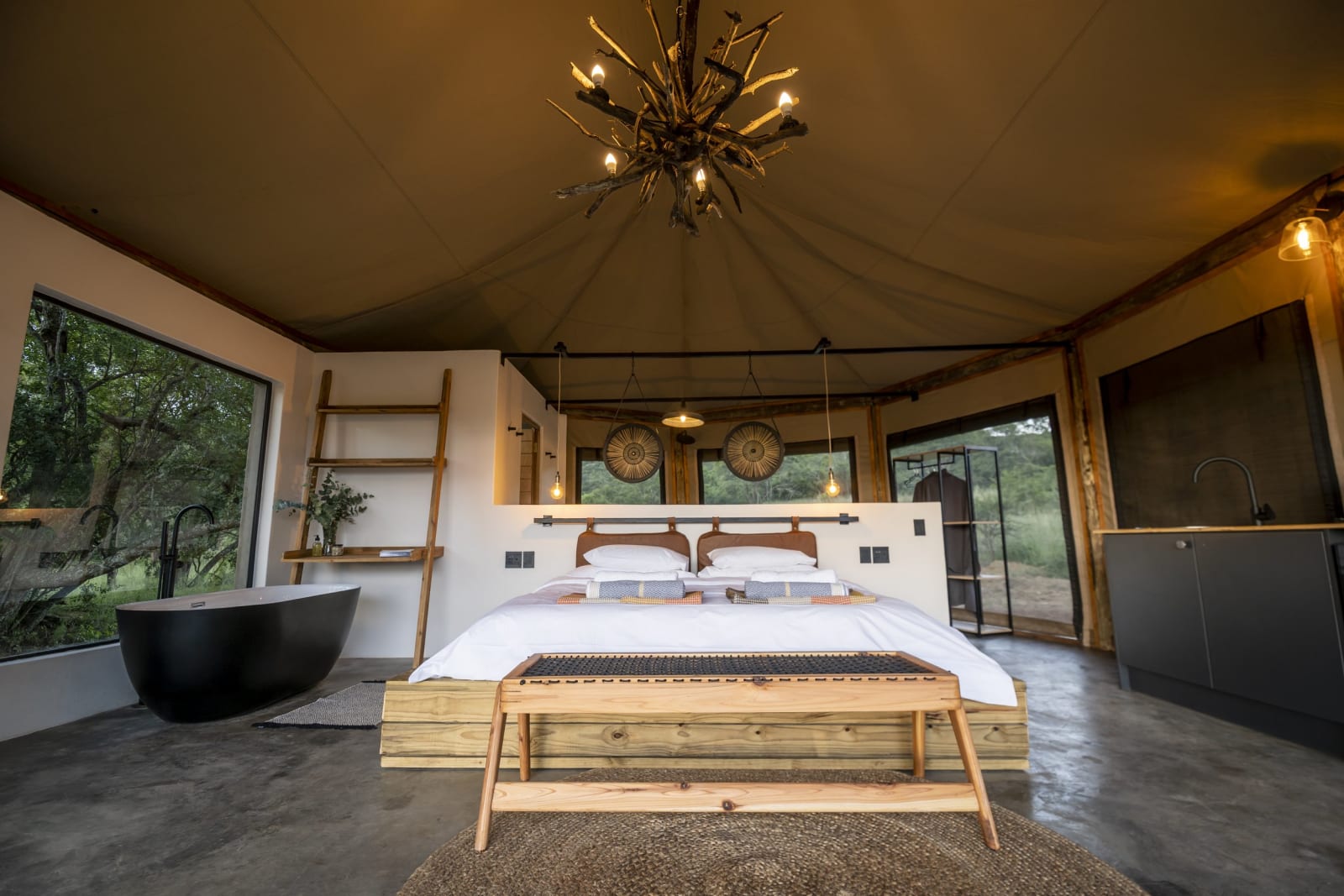
Bergville


Kruger National Park

Für Vogelbeobachter

Riebeek Valley, Riebeek West
Für Vogelbeobachter
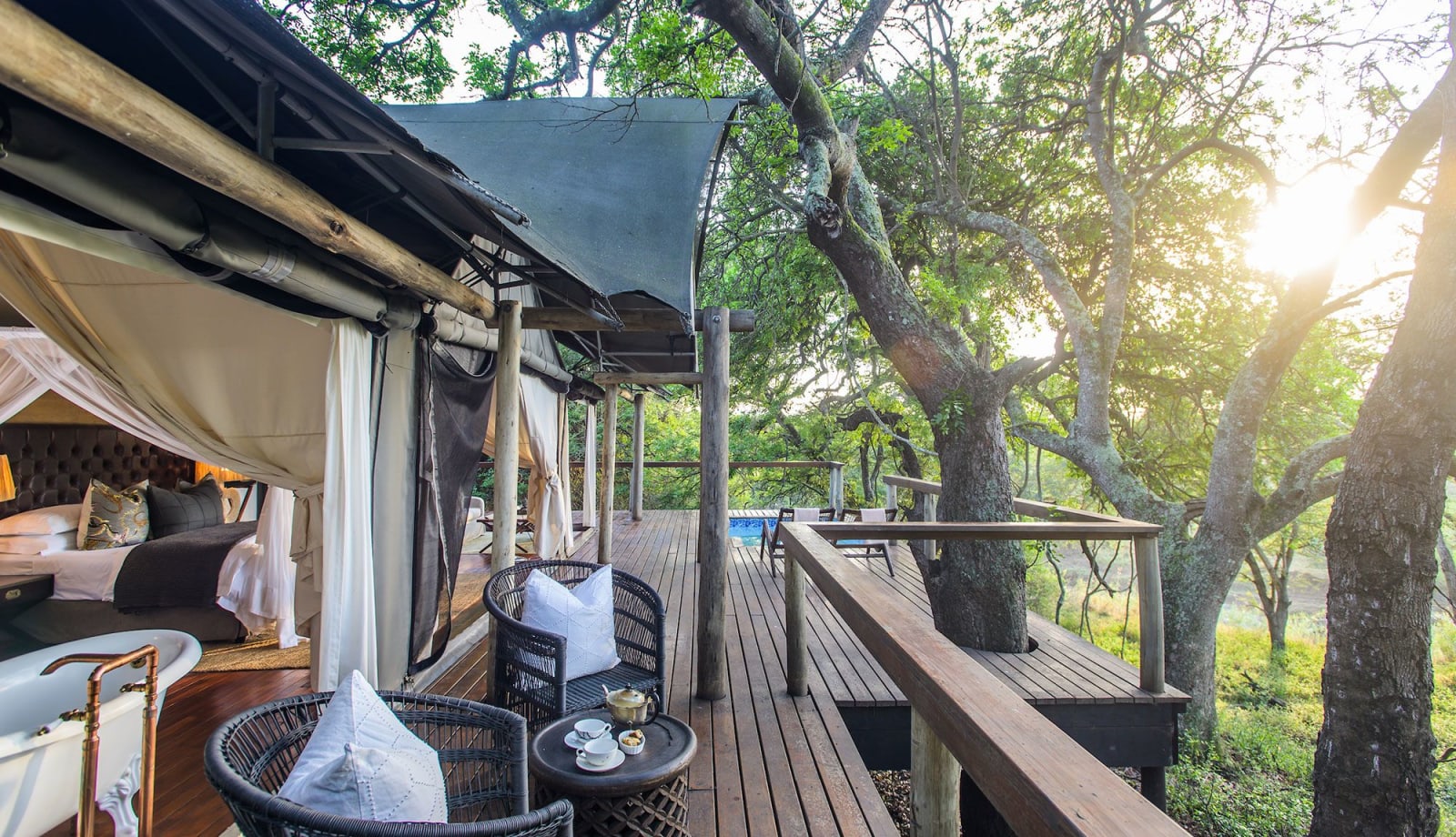
Hazyview

Klapmuts, Simondium

Gardens, Cape Town

Bakoven, Cape Town

Timbavati Private Nature Reserve

Kruger National Park
Für Vogelbeobachter

Kruger National Park
Für Vogelbeobachter

Hluhluwe-Imfolozi Park


Kruger National Park
Für Vogelbeobachter

Madikwe

iSimangaliso Wetland Park

Swellendam


Hoedspruit


Franschhoek

Wittedrift, Plettenberg Bay


Stanford

Stanford
Für Vogelbeobachter
Stellenbosch


The Crags, Plettenberg Bay

Kruger National Park

Nächster Halt
Sandstone amphitheatres and cool mountain air
Orte ansehen, die etwas zurückgebenRote Liste der IUCN
Endangered
Art
Euryceros prevostii
Jede Buchung auf Spekboom unterstützt den Naturschutz.
Ein Nachweis bedeutet, dass ein Gastgeber die Art Helmet Vanga auf dem Grundstück oder in der Nähe gesehen hat. Eine Sichtung ist nie garantiert.
Sightings of the Helmet Vanga peak from Sep to Dec, based on 90 iNaturalist records. You may still see it outside those months, sightings are just less frequent.
The Helmet Vanga (Euryceros prevostii) is listed as Endangered on the IUCN Red List.
The helmet vanga (Euryceros prevostii) is a distinctive-looking bird of the vanga family, Vangidae, and is classified in its own genus, Euryceros. It is mainly blue-black, with rufous wings and a huge arched blue bill. It is restricted to lowland and lower montane rainforests of northeastern Madagascar. Its diet is composed of invertebrates, predominantly insects.
