
Kruger National Park
Limpopo · Best Apr to Sep
8 Orte

The curlew sandpiper (Calidris ferruginea) is a small wader that breeds on the tundra of Arctic Siberia.
Recorded year-round
Recorded in every month, so no month is the wrong month to look. We would rather say that than invent a best time.
Curve from 717 national iNaturalist observations, not from one property. Single-month spikes are discarded as upload artefacts, and below 50 records we show no curve at all.
Western Cape and beyond
Provinces where Curlew Sandpiper is most recorded. Tap one to find places to stay.
717 records, iNaturalist
In ganz Südafrika

Kruger National Park · Ab R 17,120 pro Nacht

Zuverlässig zu sehen · Für Vogelbeobachter

Delareyville · Ab R 1,000 pro Nacht
Zuverlässig zu sehen · Für Vogelbeobachter

Wakkerstroom · Ab R 1,500 pro Nacht
Zuverlässig zu sehen · Für Vogelbeobachter
Kruger National Park · Ab R 11,820 pro Nacht
Zuverlässig zu sehen · Für Vogelbeobachter

Kruger National Park · Ab R 8,380 pro Nacht
Zuverlässig zu sehen · Für Vogelbeobachter

Hluhluwe-Imfolozi Park · Preis auf Anfrage

Curlew Sandpiper hier erfasst

Kruger National Park · Ab R 11,820 pro Nacht
Zuverlässig zu sehen · Für Vogelbeobachter

Kruger National Park · Ab R 10,670 pro Nacht
Curlew Sandpiper hier erfasst
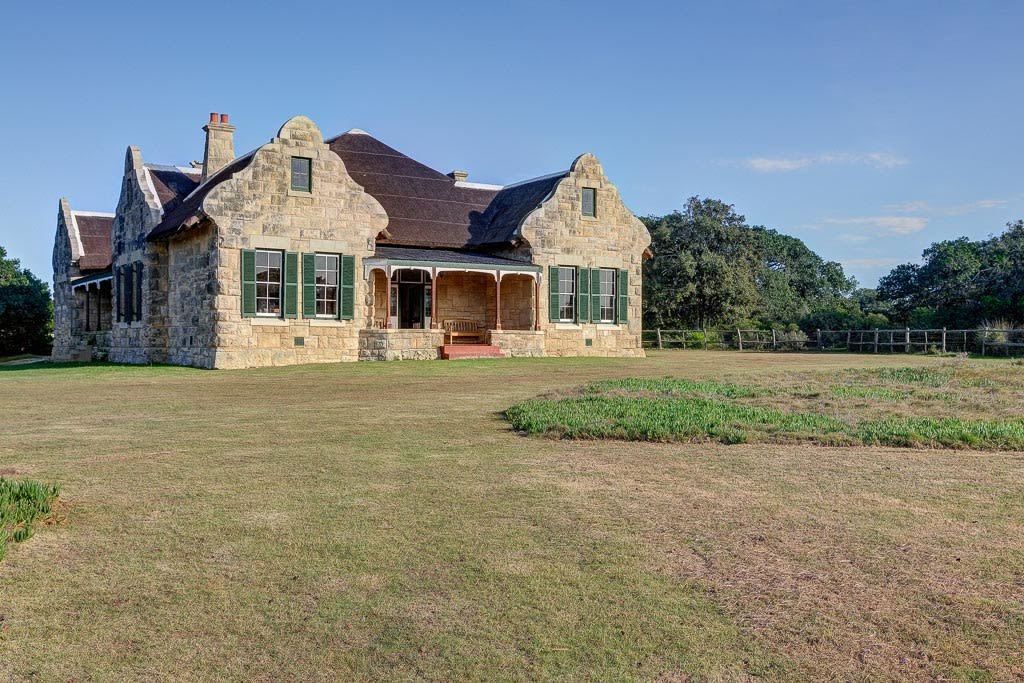
De Hoop Nature Reserve · Preis auf Anfrage
Zuverlässig zu sehen · Für Vogelbeobachter

Kruger National Park · Ab R 17,400 pro Nacht

Curlew Sandpiper hier erfasst

Kruger National Park · Ab R 11,980 pro Nacht
Curlew Sandpiper hier erfasst
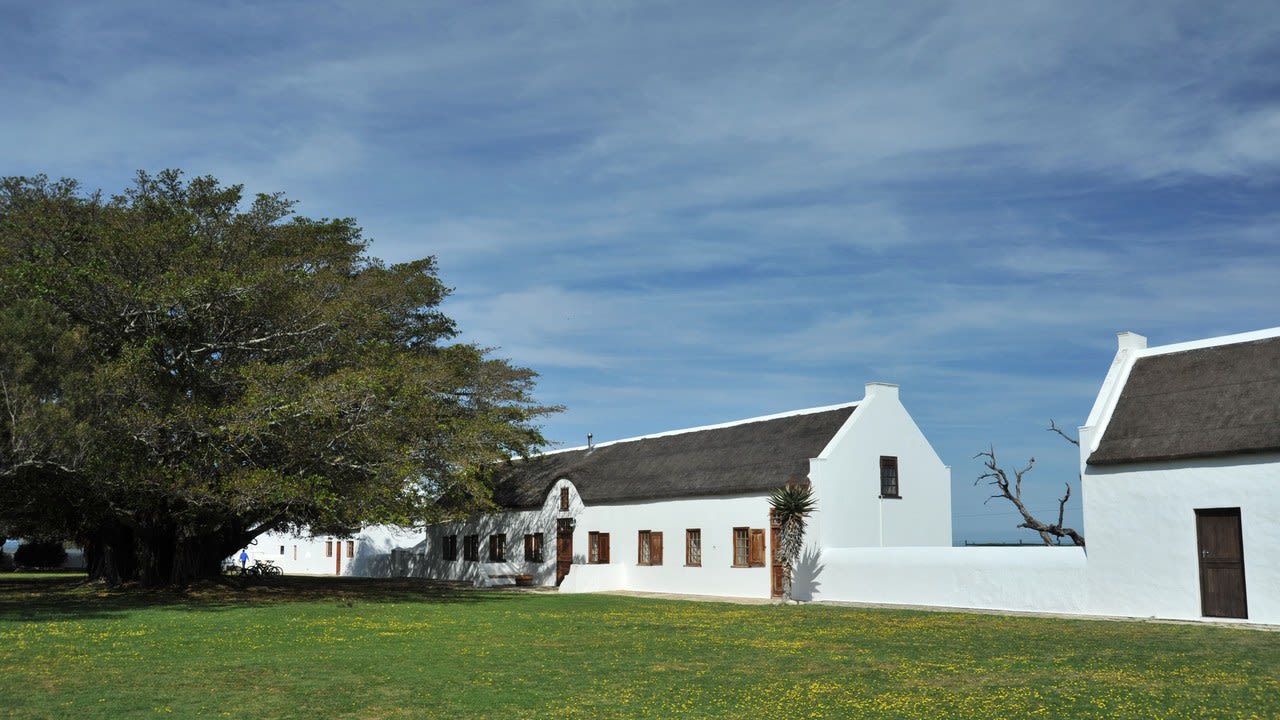
De Hoop Nature Reserve · Preis auf Anfrage
Zuverlässig zu sehen · Für Vogelbeobachter

Kruger National Park · Ab R 17,500 pro Nacht
Curlew Sandpiper hier erfasst

Wakkerstroom · Ab R 2,550 pro Nacht
Zuverlässig zu sehen · Für Vogelbeobachter

Kwandwe Private Game Reserve · Preis auf Anfrage
Curlew Sandpiper hier erfasst
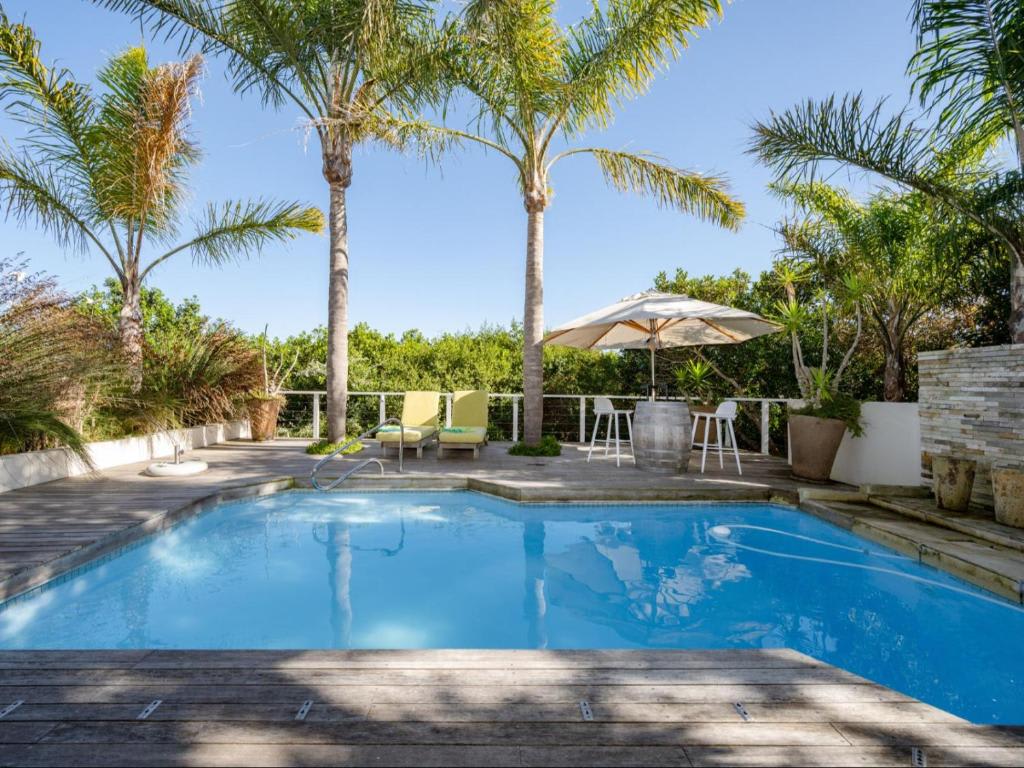
Keurbooms River Nature Reserve · Ab R 2,170 pro Nacht
Curlew Sandpiper hier erfasst

Bronkhorstspruit · Ab R 600 pro Nacht

Zuverlässig zu sehen · Für Vogelbeobachter

Kwandwe Private Game Reserve · Preis auf Anfrage
Curlew Sandpiper hier erfasst

Rocherpan Nature Reserve · Ab R 1,990 pro Nacht
Curlew Sandpiper hier erfasst

Rocherpan Nature Reserve · Ab R 1,500 pro Nacht
Curlew Sandpiper hier erfasst

Kwandwe Private Game Reserve · Preis auf Anfrage
Curlew Sandpiper hier erfasst

Rocherpan Nature Reserve · Ab R 1,430 pro Nacht
Curlew Sandpiper hier erfasst

Rocherpan Nature Reserve · Ab R 1,430 pro Nacht
Curlew Sandpiper hier erfasst

Kwandwe Private Game Reserve · Preis auf Anfrage
Curlew Sandpiper hier erfasst

Nächster Halt
Sandstone amphitheatres and cool mountain air
Orte ansehen, die etwas zurückgebenEine Reise planen
Gastgeber haben die Art Curlew Sandpiper in oder bei Kruger National Park, Kwandwe Private Game Reserve and Rocherpan Nature Reserve erfasst.

Rocherpan · De Hoop · De Mond
Kruger
Kwandwe
Hluhluwe-Imfolozi · iSimangaliso Wetland
Selbst fahren
Eigenes Fahrzeug, eigenes Tempo, auf den Straßen des Parks.
Wo Gastgeber die Art erfassen
Geführte Fahrten ab der Lodge
Ein Guide, der weiß, wo man suchen muss, mit Offroad- und Nachtfahrten in privaten Reservaten.
Wo Gastgeber die Art erfassen
Rote Liste der IUCN
Vulnerable
Art
Calidris ferruginea
Nachweise
717
iNaturalist-Beobachtungen
Jede Buchung auf Spekboom unterstützt den Naturschutz.
Ein Nachweis bedeutet, dass ein Gastgeber die Art Curlew Sandpiper auf dem Grundstück oder in der Nähe gesehen hat. Eine Sichtung ist nie garantiert.
Hosts on Spekboom have recorded the Curlew Sandpiper at stays in or beside Kruger National Park, Kwandwe Private Game Reserve, Rocherpan Nature Reserve, De Hoop Nature Reserve, De Mond Nature Reserve and Hluhluwe-Imfolozi Park and other reserves. A record means a host has seen it on the property or nearby, which makes these the places to base yourself; it is never a guarantee of a sighting on any given day.
The Curlew Sandpiper is most recorded in Western Cape (73% of records), KwaZulu-Natal (16% of records), Eastern Cape (6% of records), based on 717 iNaturalist observations. 30 places to stay on Spekboom in South Africa have recorded the Curlew Sandpiper on site or nearby.
The Curlew Sandpiper is recorded throughout the year, so no month is the wrong month to look for it. For the parks where hosts record it most, these are the best seasons they give. Kruger National Park: Apr-Sep; Kwandwe Private Game Reserve: year-round, best Mar-May, Sep-Nov; Rocherpan Nature Reserve: Winter and spring for birds and flowers, Jun-Oct; De Hoop Nature Reserve: Sep-Apr, flowers Aug-Oct. In the dry months animals concentrate at water and the grass is short.
The Curlew Sandpiper (Calidris ferruginea) is listed as Vulnerable on the IUCN Red List.
The curlew sandpiper (Calidris ferruginea) is a small wader that breeds on the tundra of Arctic Siberia. The genus name is from Ancient Greek kalidris or skalidris, a term used by Aristotle for some grey-coloured waterside birds. The specific ferruginea is from Latin ferrugo, ferruginis, "iron rust" referring to its colour in breeding plumage.

