
Rocherpan Nature Reserve
Western Cape · Best Winter and spring for birds and flowers
5 plekke

The curlew sandpiper (Calidris ferruginea) is a small wader that breeds on the tundra of Arctic Siberia.
Recorded year-round
Recorded in every month, so no month is the wrong month to look. We would rather say that than invent a best time.
Curve from 717 national iNaturalist observations, not from one property and not from this province. Single-month spikes are discarded as upload artefacts, and below 50 records we show no curve at all.
Western Cape and beyond
Provinces where Curlew Sandpiper is most recorded. Tap one to find places to stay.
717 records, iNaturalist
Regoor die Wes-Kaap
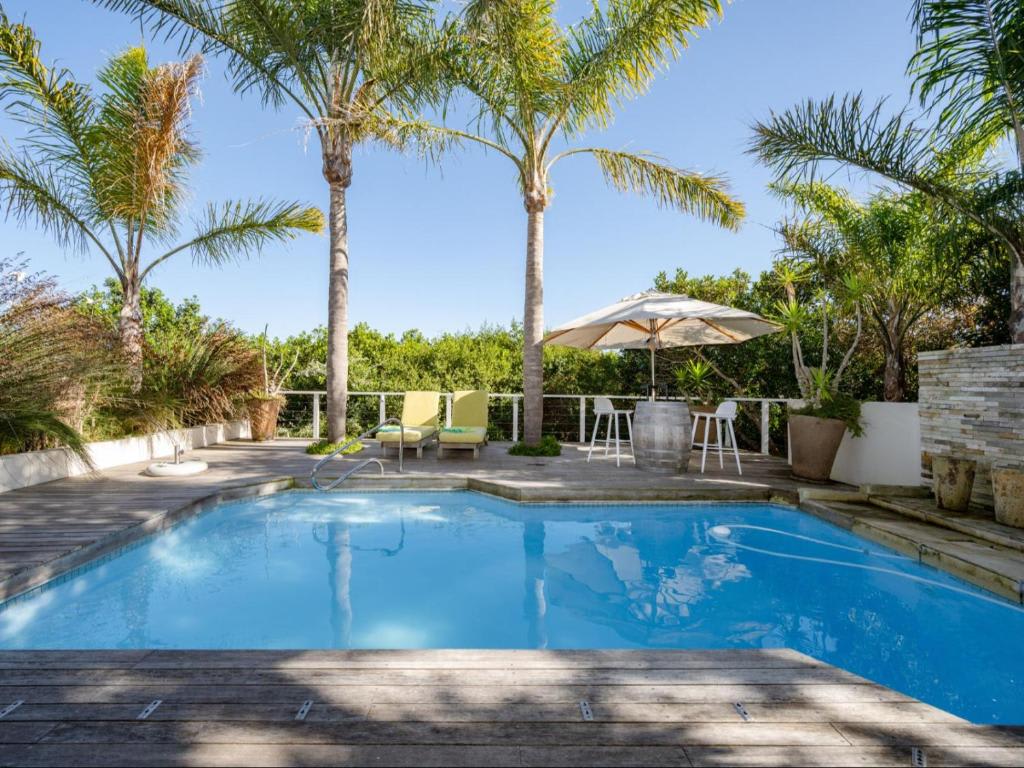
Keurbooms River Nature Reserve · Vanaf R 2,170 per nag
Curlew Sandpiper hier aangeteken

Rocherpan Nature Reserve · Vanaf R 1,990 per nag
Curlew Sandpiper hier aangeteken
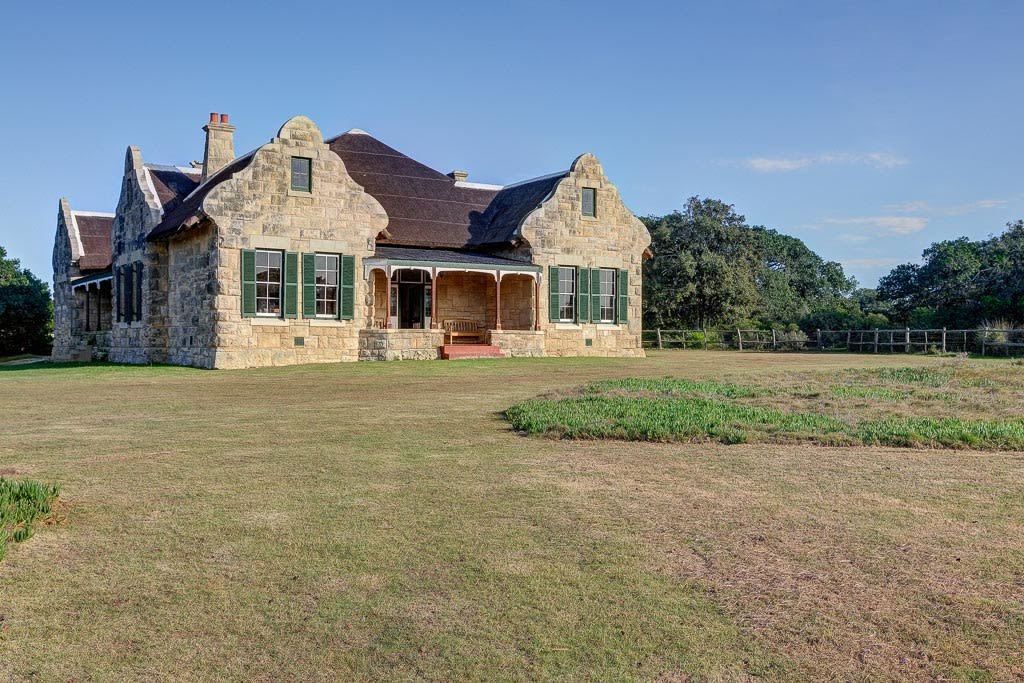
De Hoop Nature Reserve · Prys op aanvraag
Word gereeld gesien · Voëlkykervriendelik

Rocherpan Nature Reserve · Vanaf R 1,500 per nag
Curlew Sandpiper hier aangeteken

Rocherpan Nature Reserve · Vanaf R 1,430 per nag
Curlew Sandpiper hier aangeteken
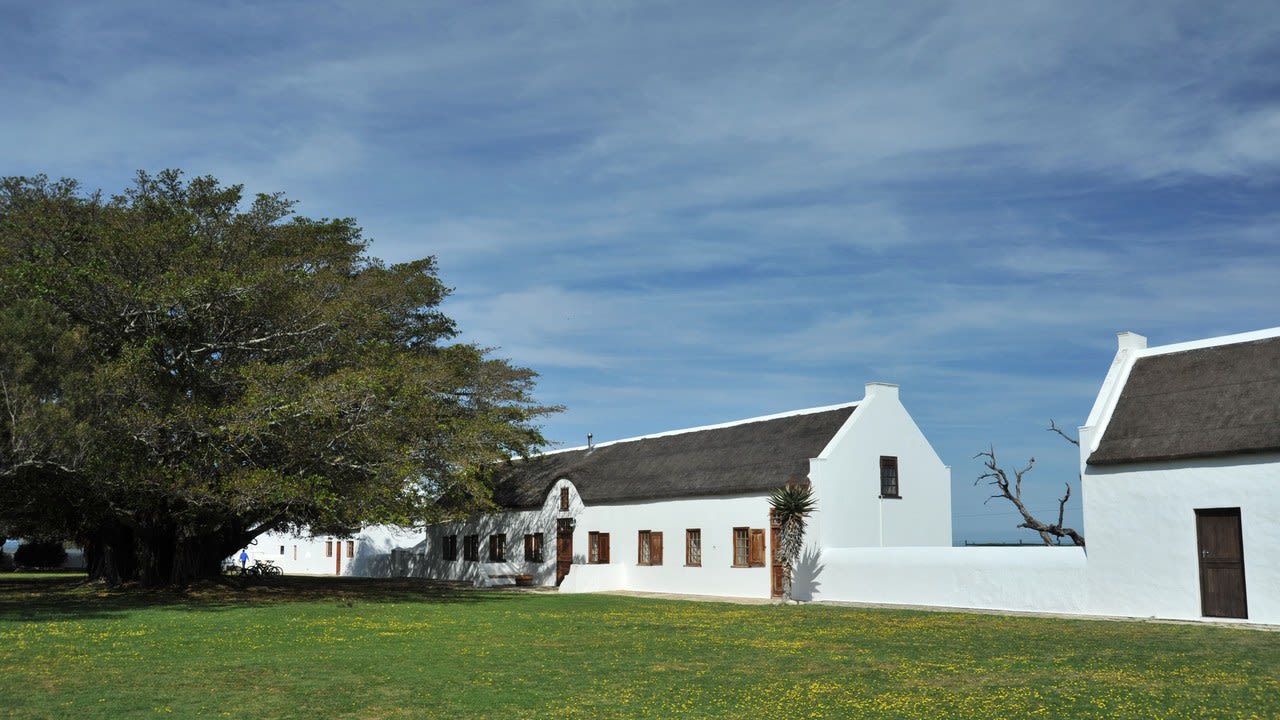
De Hoop Nature Reserve · Prys op aanvraag
Word gereeld gesien · Voëlkykervriendelik

Rocherpan Nature Reserve · Vanaf R 1,430 per nag
Curlew Sandpiper hier aangeteken
Rocherpan Nature Reserve · Vanaf R 1,430 per nag
Curlew Sandpiper hier aangeteken

De Hoop Nature Reserve · Vanaf R 6,460 per nag
Curlew Sandpiper hier aangeteken

De Mond Nature Reserve · Vanaf R 3,690 per nag
Curlew Sandpiper hier aangeteken

Benguela Cove, Hermanus · Vanaf R 14,985 per nag

Voëlkykervriendelik

Oudtshoorn · Vanaf R 1,400 per nag


Wittedrift, Plettenberg Bay · Vanaf R 2,250 per nag


Riebeek Valley, Riebeek West · Vanaf R 5,636 per nag

Voëlkykervriendelik

Franschhoek · Vanaf R 6,195 per nag


Klapmuts, Simondium · Prys op aanvraag

Gardens, Cape Town · Vanaf R 2,800 per nag

Bakoven, Cape Town · Vanaf R 9,900 per nag

Franschhoek · Prys op aanvraag

Swellendam · Vanaf R 4,355 per nag


Stanford · Vanaf R 2,850 per nag

Stanford · Prys op aanvraag
Voëlkykervriendelik

Stellenbosch · Vanaf R 1,465 per nag

The Crags, Plettenberg Bay · Vanaf R 1,950 per nag

Volgende stop
Southern right whales, sea cliffs, and Hermanus's harbour town
Sien plekke wat teruggeeBeplan ’n reis
Gashere het die Curlew Sandpiper gesien by verblyfplekke in of langs Rocherpan Nature Reserve, De Hoop Nature Reserve and De Mond Nature Reserve.
Ry self
Jou eie voertuig en pas, op die park se paaie.
Waar gashere dit aanteken
IUBN Rooi Lys
Vulnerable
Spesie
Calidris ferruginea
Waarnemings
717
iNaturalist-waarnemings
Elke bespreking op Spekboom ondersteun bewaring.
’n Waarneming beteken dat ’n gasheer die Curlew Sandpiper op die eiendom of naby gesien het. Dit waarborg nooit dat jy dit sal sien nie.
Hosts on Spekboom have recorded the Curlew Sandpiper at stays in or beside Rocherpan Nature Reserve, De Hoop Nature Reserve, De Mond Nature Reserve and Keurbooms River Nature Reserve. A record means a host has seen it on the property or nearby, which makes these the places to base yourself; it is never a guarantee of a sighting on any given day.
The Curlew Sandpiper is most recorded in Western Cape (73% of records), KwaZulu-Natal (16% of records), Eastern Cape (6% of records), based on 717 iNaturalist observations. 10 places to stay on Spekboom in Western Cape have recorded the Curlew Sandpiper on site or nearby.
The Curlew Sandpiper is recorded throughout the year, so no month is the wrong month to look for it. For the parks where hosts record it most, these are the best seasons they give. Rocherpan Nature Reserve: Winter and spring for birds and flowers, Jun-Oct; De Hoop Nature Reserve: Sep-Apr, flowers Aug-Oct; De Mond Nature Reserve: Summer for terns and waders, Oct-Mar; Keurbooms River Nature Reserve: year-round. In the dry months animals concentrate at water and the grass is short.
The Curlew Sandpiper (Calidris ferruginea) is listed as Vulnerable on the IUCN Red List.
The curlew sandpiper (Calidris ferruginea) is a small wader that breeds on the tundra of Arctic Siberia. The genus name is from Ancient Greek kalidris or skalidris, a term used by Aristotle for some grey-coloured waterside birds. The specific ferruginea is from Latin ferrugo, ferruginis, "iron rust" referring to its colour in breeding plumage.