

Kruger National Park
Limpopo · Best Apr to Sep
18 plekke

Wildlife
The African wildcat (Felis lybica), also called Near Eastern wildcat is a wildcat species that lives in Northern Africa, the Near East and around the periphery of the Arabian Peninsula.
Recorded year-round
Recorded in every month, so no month is the wrong month to look. We would rather say that than invent a best time.
Curve from 498 national iNaturalist observations, not from one property and not from this province. Single-month spikes are discarded as upload artefacts, and below 50 records we show no curve at all.
Northern Cape and beyond
Provinces where African Wild Cat is most recorded. Tap one to find places to stay.
498 records, iNaturalist
Regoor Limpopo

Kruger National Park

African Wild Cat hier aangeteken

Kruger National Park
African Wild Cat hier aangeteken

Kruger National Park
African Wild Cat hier aangeteken

Kruger National Park
African Wild Cat hier aangeteken
Kruger National Park
African Wild Cat hier aangeteken

Marakele National Park
African Wild Cat hier aangeteken

Kruger National Park
African Wild Cat hier aangeteken

Kruger National Park
African Wild Cat hier aangeteken
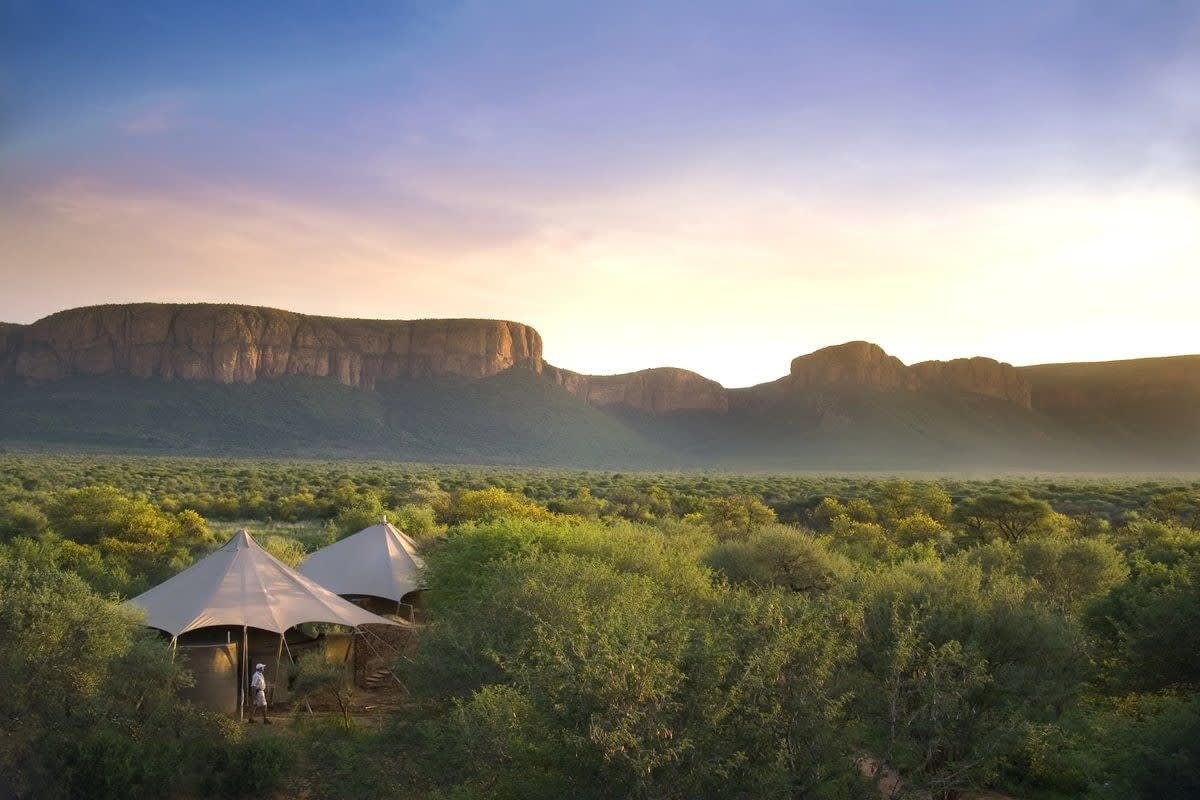
Marakele National Park
African Wild Cat hier aangeteken

Kruger National Park
African Wild Cat hier aangeteken

Marakele National Park
African Wild Cat hier aangeteken

Marakele National Park
African Wild Cat hier aangeteken

Kruger National Park
African Wild Cat hier aangeteken

Kruger National Park
African Wild Cat hier aangeteken
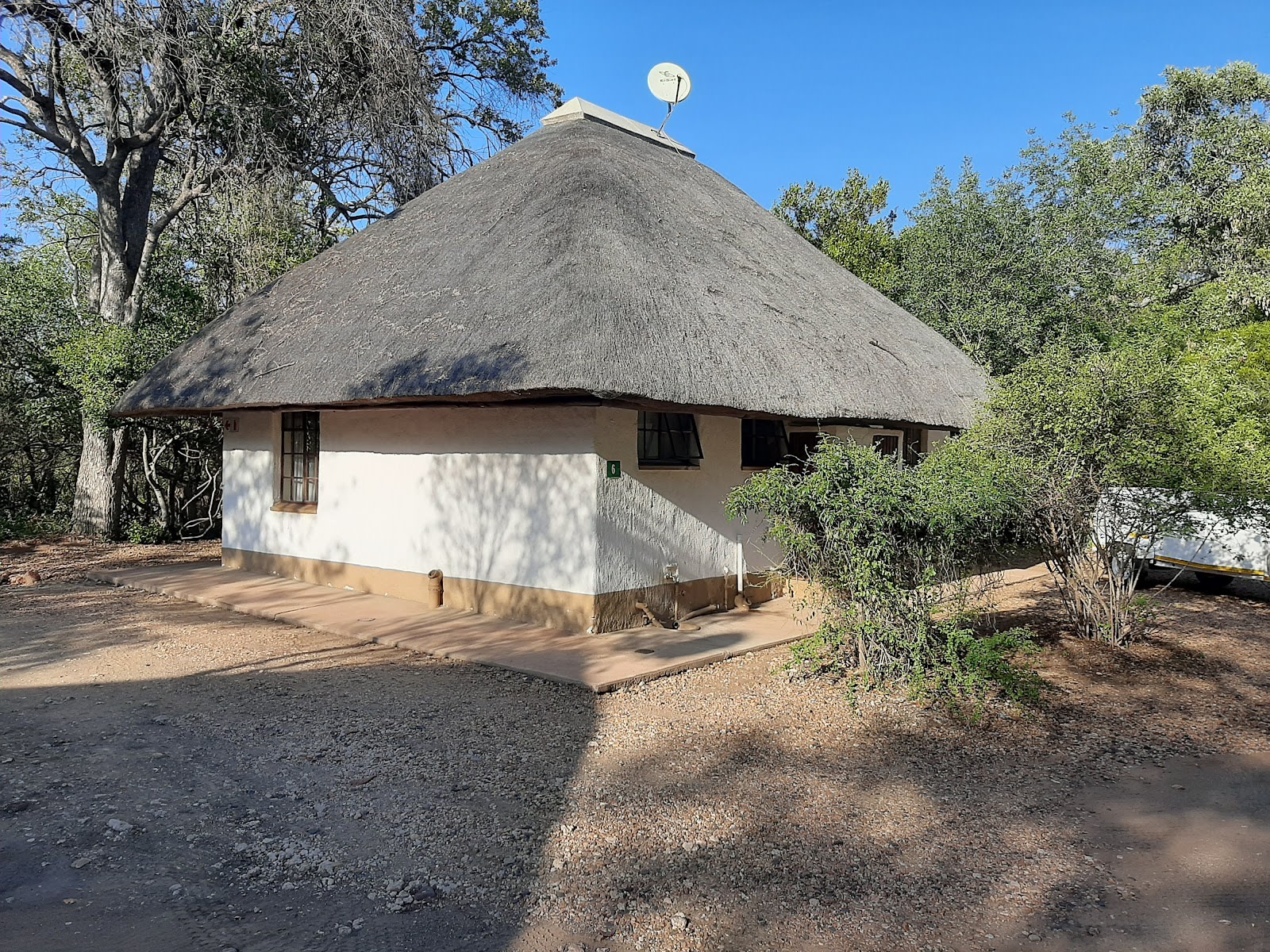
Kruger National Park
African Wild Cat hier aangeteken

Kruger National Park
African Wild Cat hier aangeteken
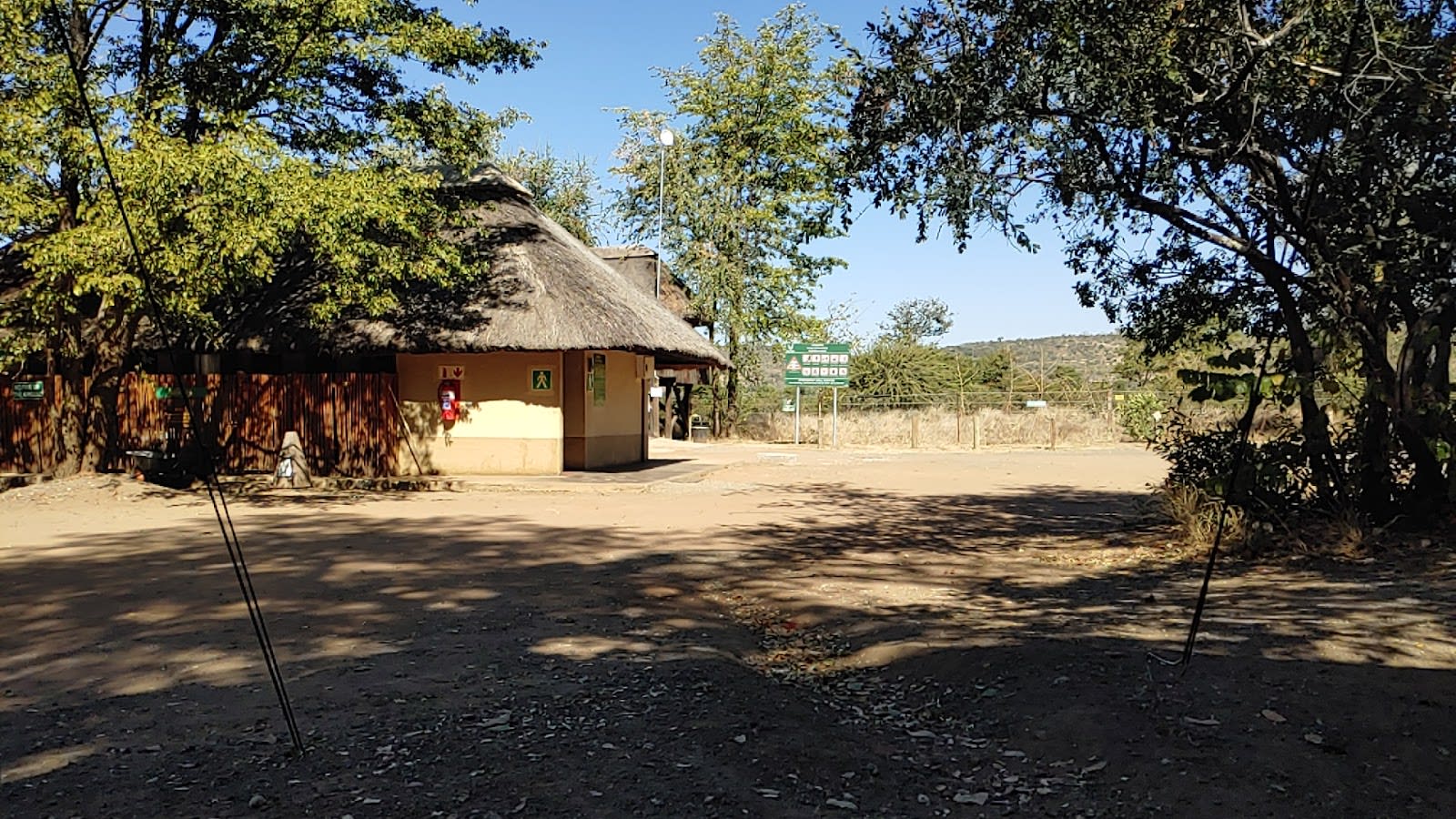
Kruger National Park
African Wild Cat hier aangeteken

Kruger National Park
African Wild Cat hier aangeteken

Marakele National Park
African Wild Cat hier aangeteken

Kruger National Park
African Wild Cat hier aangeteken

Kruger National Park
African Wild Cat hier aangeteken

Kruger National Park
African Wild Cat hier aangeteken

Kruger National Park
African Wild Cat hier aangeteken

Magoebaskloof


Volgende stop
iSimangaliso wetlands, sand forest, and Sodwana reefs
Sien plekke wat teruggeeBeplan ’n reis
Gashere het die African Wild Cat gesien by verblyfplekke in of langs Kruger National Park and Marakele National Park.
| Park | Jan | Feb | Mrt | Apr | Mei | Jun | Jul | Aug | Sep | Okt | Nov | Des |
|---|---|---|---|---|---|---|---|---|---|---|---|---|
| Kruger | Hier | Hier | Hier | Maklikste om te sien | Maklikste om te sien | Maklikste om te sien | Maklikste om te sien | Maklikste om te sien | Maklikste om te sien | Hier | Hier | Hier |
| Marakele | Hier | Hier | Hier | Hier | Maklikste om te sien |
Die donkerder maande is elke park se beste seisoen, wanneer die bos yler is of water skaars is en diere makliker gesien word. ’n Waarneming is nooit gewaarborg nie.
IUBN Rooi Lys
Least Concern
Spesie
Felis lybica
Waarnemings
498
iNaturalist-waarnemings
Elke bespreking op Spekboom ondersteun bewaring.
’n Waarneming beteken dat ’n gasheer die African Wild Cat op die eiendom of naby gesien het. Dit waarborg nooit dat jy dit sal sien nie.
Hosts on Spekboom have recorded the African Wild Cat at stays in or beside Kruger National Park and Marakele National Park. A record means a host has seen it on the property or nearby, which makes these the places to base yourself; it is never a guarantee of a sighting on any given day.
The African Wild Cat is most recorded in Northern Cape (36% of records), Mpumalanga (24% of records), Western Cape (22% of records), based on 498 iNaturalist observations. 23 places to stay on Spekboom in Limpopo have recorded the African Wild Cat on site or nearby.
The African Wild Cat is recorded throughout the year, so no month is the wrong month to look for it. For the parks where hosts record it most, these are the best seasons they give. Kruger National Park: Apr-Sep; Marakele National Park: May-Sep, dry season. In the dry months animals concentrate at water and the grass is short.
The African Wild Cat (Felis lybica) is listed as Least Concern on the IUCN Red List.
The African wildcat (Felis lybica), also called Near Eastern wildcat is a wildcat species that lives in Northern Africa, the Near East and around the periphery of the Arabian Peninsula. The status Least Concern on the IUCN Red List is attributed to the species, including all subspecies of wildcats.
| Maklikste om te sien |
| Maklikste om te sien |
| Maklikste om te sien |
| Maklikste om te sien |
| Hier |
| Hier |
| Hier |