

Addo Elephant National Park
Eastern Cape · Year-round
5 plekke

The red knot (Calidris canutus) (just knot in English-speaking Europe) is a medium-sized shorebird which breeds in tundra and the Arctic Cordillera in the far north of Canada, Europe, and Russia.
Western Cape and beyond
Provinces where Red Knot is most recorded. Tap one to find places to stay.
38 records, iNaturalist
Regoor die Oos-Kaap

Addo Elephant National Park
Red Knot hier aangeteken

Addo Elephant National Park
Red Knot hier aangeteken
Addo Elephant National Park
Red Knot hier aangeteken

Addo Elephant National Park
Red Knot hier aangeteken

Addo Elephant National Park
Red Knot hier aangeteken

St Francis Bay

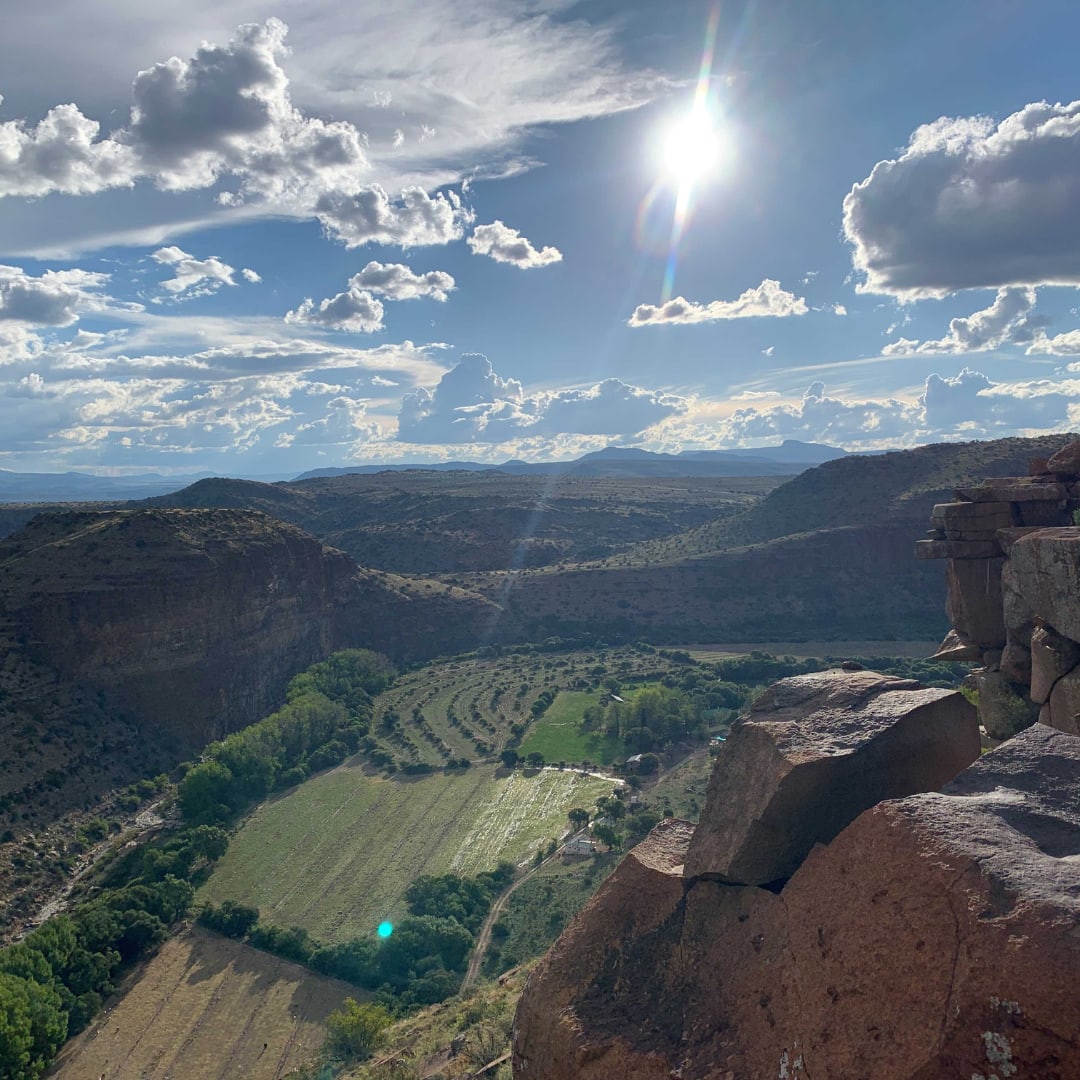
Nieu Bethesda

Voëlkykervriendelik

Hankey
Voëlkykervriendelik

Sundays River Valley, Addo


Walmer, Port Elizabeth

Kwandwe Private Game Reserve

Mkambati Nature Reserve
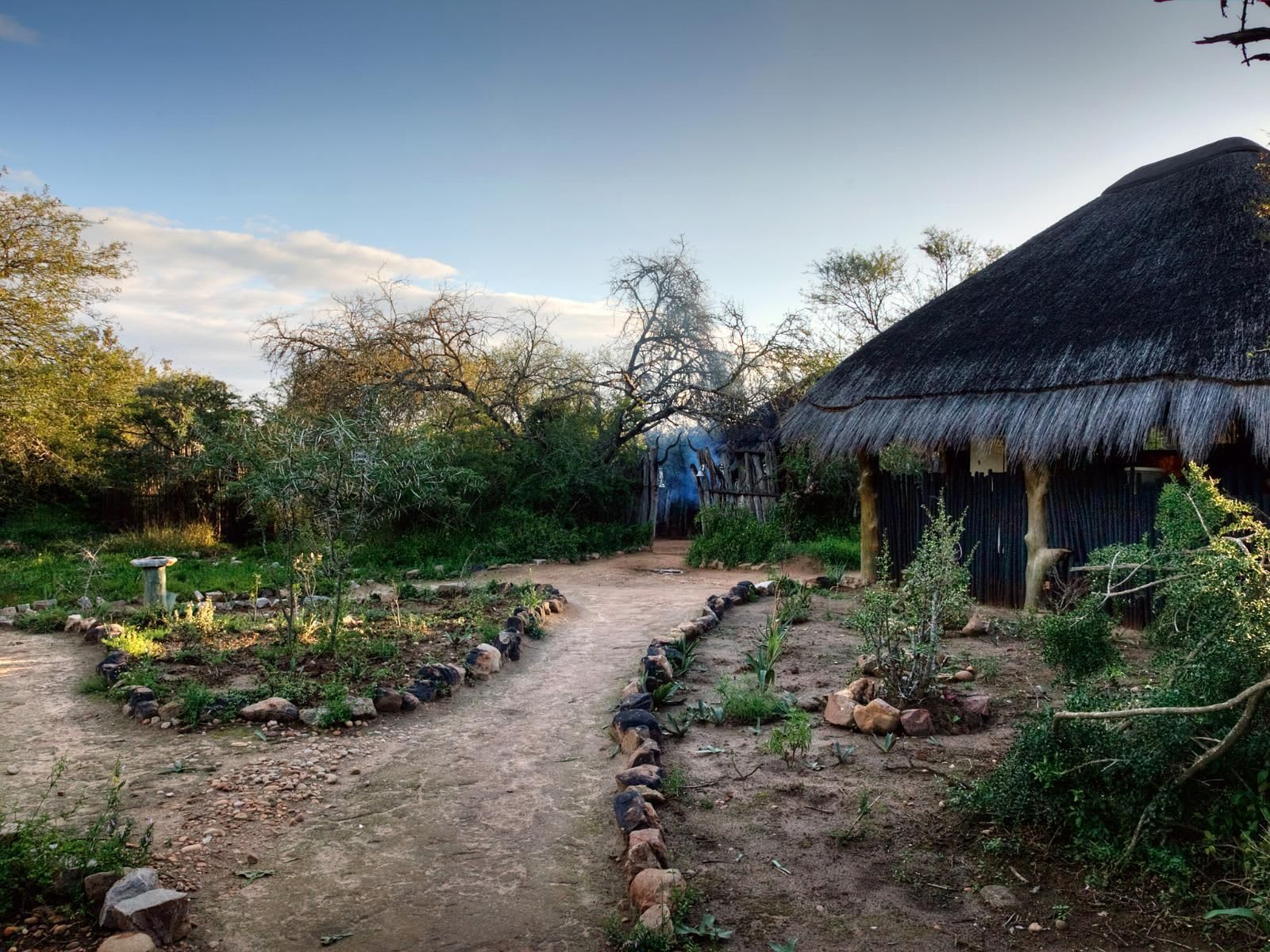
Paterson


Kwandwe Private Game Reserve

Sneeuberg Nature Reserve, Nieu Bethesda

Amakhala Game Reserve

Kwandwe Private Game Reserve

Sundays River Valley, Addo

Aberdeen
Voëlkykervriendelik

Kwandwe Private Game Reserve

Rhodes
Voëlkykervriendelik

Garden Route National Park

Kwandwe Private Game Reserve

Mountain Zebra National Park

Volgende stop
Forests, lagoons, and Knysna's sheltered bay
Sien plekke wat teruggeeBeplan ’n reis
Gashere het die Red Knot gesien by verblyfplekke in of langs Addo Elephant National Park.
Ry self
Jou eie voertuig en pas, op die park se paaie.
Waar gashere dit aanteken
IUBN Rooi Lys
Near Threatened
Spesie
Calidris canutus
Waarnemings
38
iNaturalist-waarnemings
Elke bespreking op Spekboom ondersteun bewaring.
’n Waarneming beteken dat ’n gasheer die Red Knot op die eiendom of naby gesien het. Dit waarborg nooit dat jy dit sal sien nie.
Hosts on Spekboom have recorded the Red Knot at stays in or beside Addo Elephant National Park. A record means a host has seen it on the property or nearby, which makes these the places to base yourself; it is never a guarantee of a sighting on any given day.
The Red Knot is most recorded in Western Cape (74% of records), KwaZulu-Natal (24% of records), based on 38 iNaturalist observations. 5 places to stay on Spekboom in Eastern Cape have recorded the Red Knot on site or nearby.
The Red Knot (Calidris canutus) is listed as Near Threatened on the IUCN Red List.
The red knot (Calidris canutus) (just knot in English-speaking Europe) is a medium-sized shorebird which breeds in tundra and the Arctic Cordillera in the far north of Canada, Europe, and Russia. It is a large member of the Calidris sandpipers, second only to the great knot. Six subspecies are recognised.
