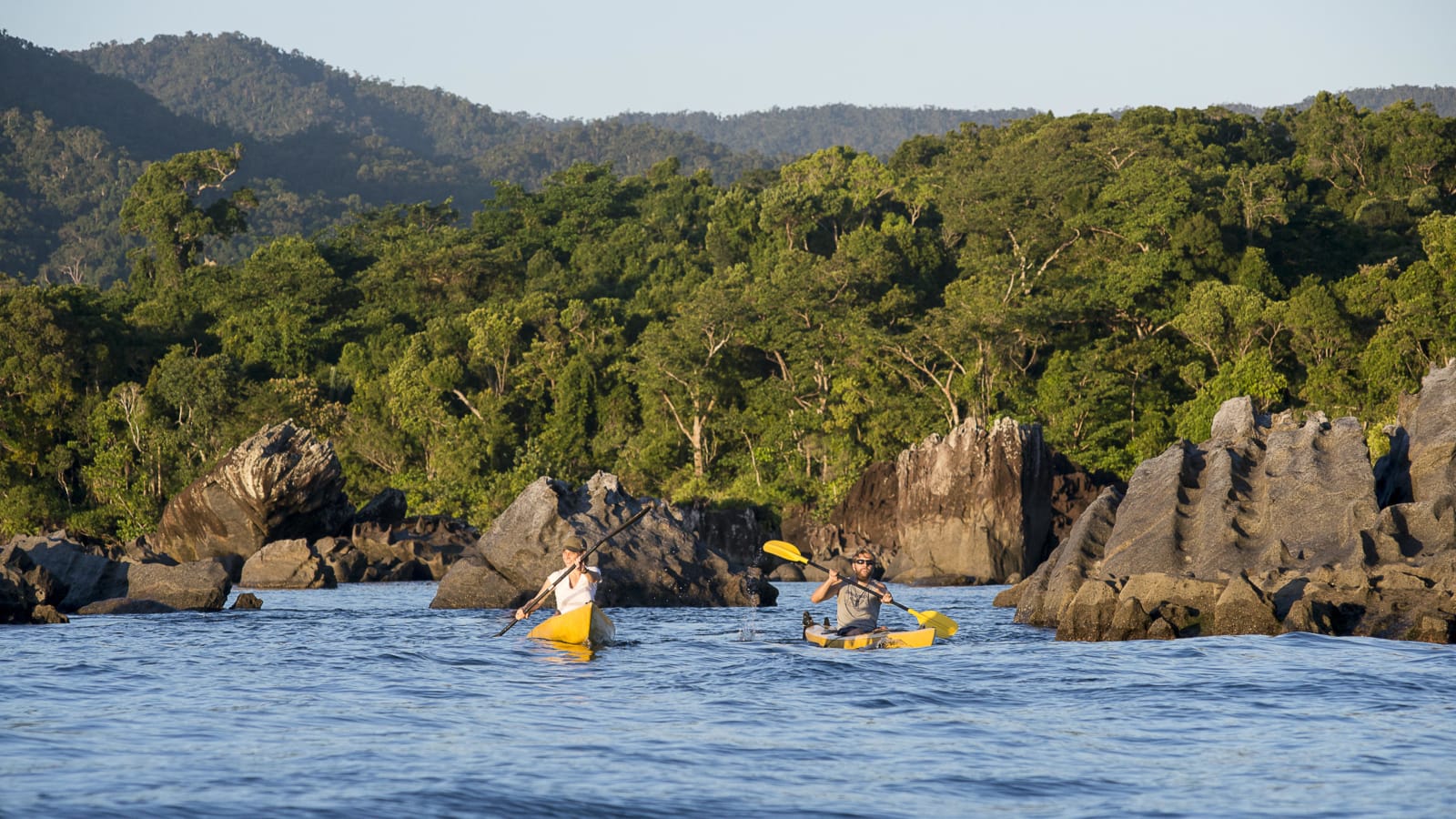
Masoala National Park
Sava · Best Drier months
1 plek

The scaly ground roller (Geobiastes squamiger) is a species of bird in a monotypic genus in the near-passerine family Brachypteraciidae.
Dit is die parke waar gashere op Spekboom dit aanteken.
Most records Oct to Nov
When Scaly Ground-roller sightings peak, from open records. Outside these months it is seen less often, not never.
Curve from 72 national iNaturalist observations, not from one property. Single-month spikes are discarded as upload artefacts, and below 50 records we show no curve at all.
Regoor Suid-Afrika

Benguela Cove, Hermanus

Voëlkykervriendelik
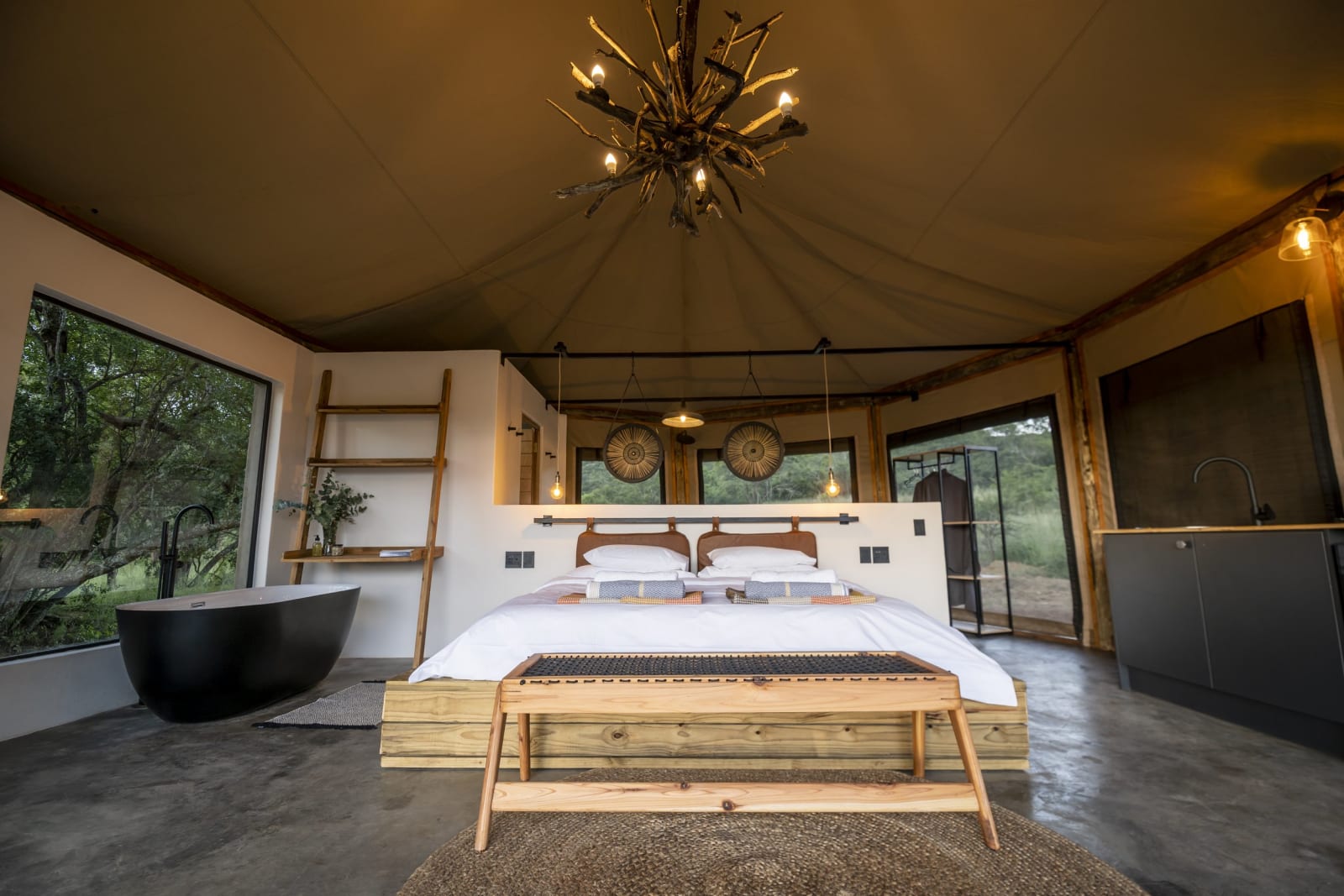
Bergville


Kruger National Park

Voëlkykervriendelik

Riebeek Valley, Riebeek West
Voëlkykervriendelik
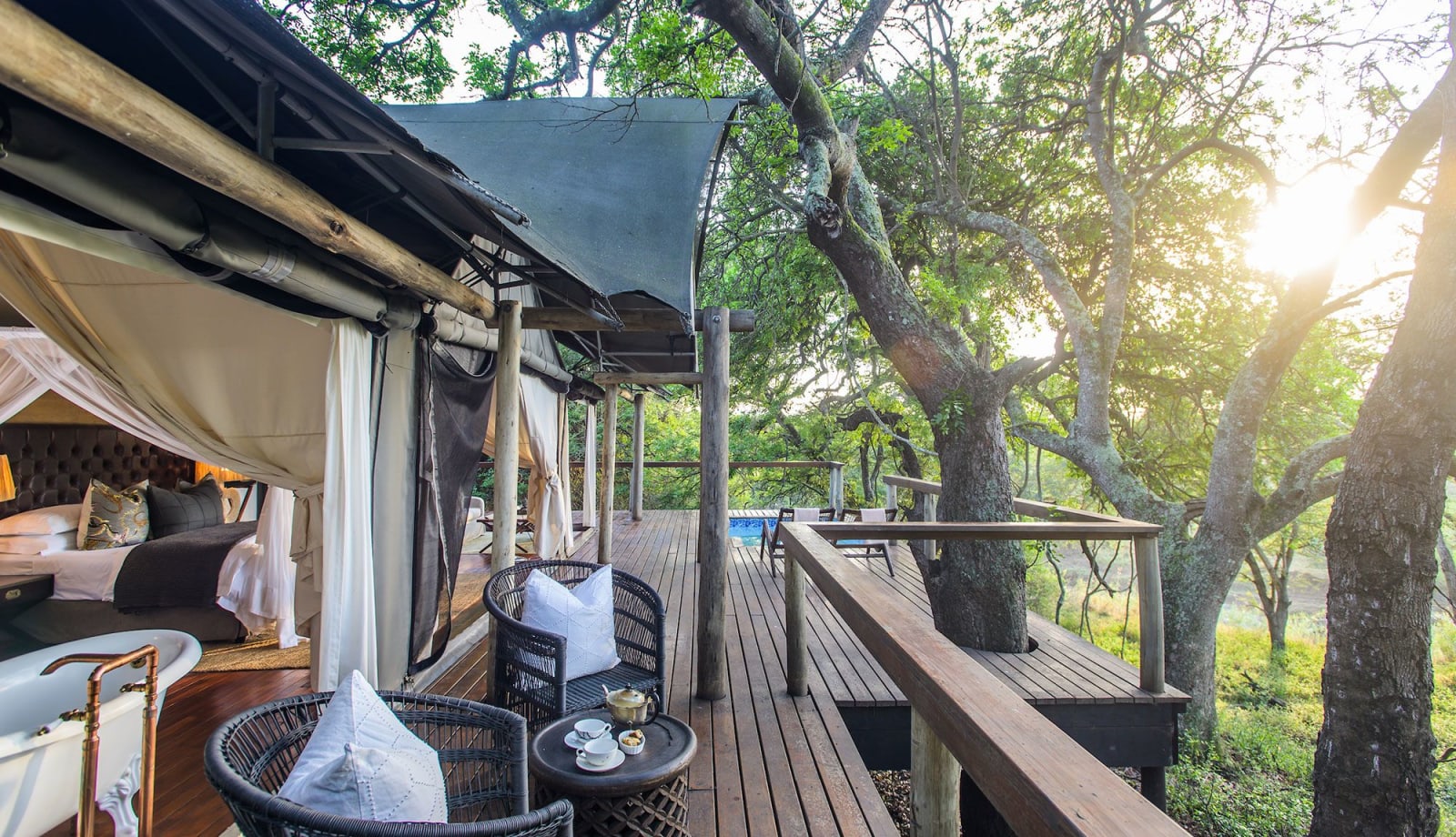
Hazyview


Klapmuts, Simondium

Gardens, Cape Town

Bakoven, Cape Town

Timbavati Private Nature Reserve

Kruger National Park
Voëlkykervriendelik

Kruger National Park
Voëlkykervriendelik

Hluhluwe-Imfolozi Park


Kruger National Park
Voëlkykervriendelik

Madikwe

iSimangaliso Wetland Park

Swellendam


Hoedspruit


Franschhoek

Wittedrift, Plettenberg Bay


Stanford

Stanford
Voëlkykervriendelik
Stellenbosch


The Crags, Plettenberg Bay

Kruger National Park

Volgende stop
Sandstone amphitheatres and cool mountain air
Sien plekke wat teruggeeBeplan ’n reis
IUBN Rooi Lys
Vulnerable
Spesie
Geobiastes squamiger
Elke bespreking op Spekboom ondersteun bewaring.
’n Waarneming beteken dat ’n gasheer die Scaly Ground-roller op die eiendom of naby gesien het. Dit waarborg nooit dat jy dit sal sien nie.
Sightings of the Scaly Ground-roller peak from Oct to Nov, based on 72 iNaturalist records. You may still see it outside those months, sightings are just less frequent.
The Scaly Ground-roller (Geobiastes squamiger) is listed as Vulnerable on the IUCN Red List.
The scaly ground roller (Geobiastes squamiger) is a species of bird in a monotypic genus in the near-passerine family Brachypteraciidae. It is endemic to eastern Madagascar. Its natural habitat is subtropical or tropical moist lowland forest. The scaly ground roller is found at elevations below 1,000 meters (3,300 ft), and one of the few birds of Madagascar to reside in lowland rainforest.