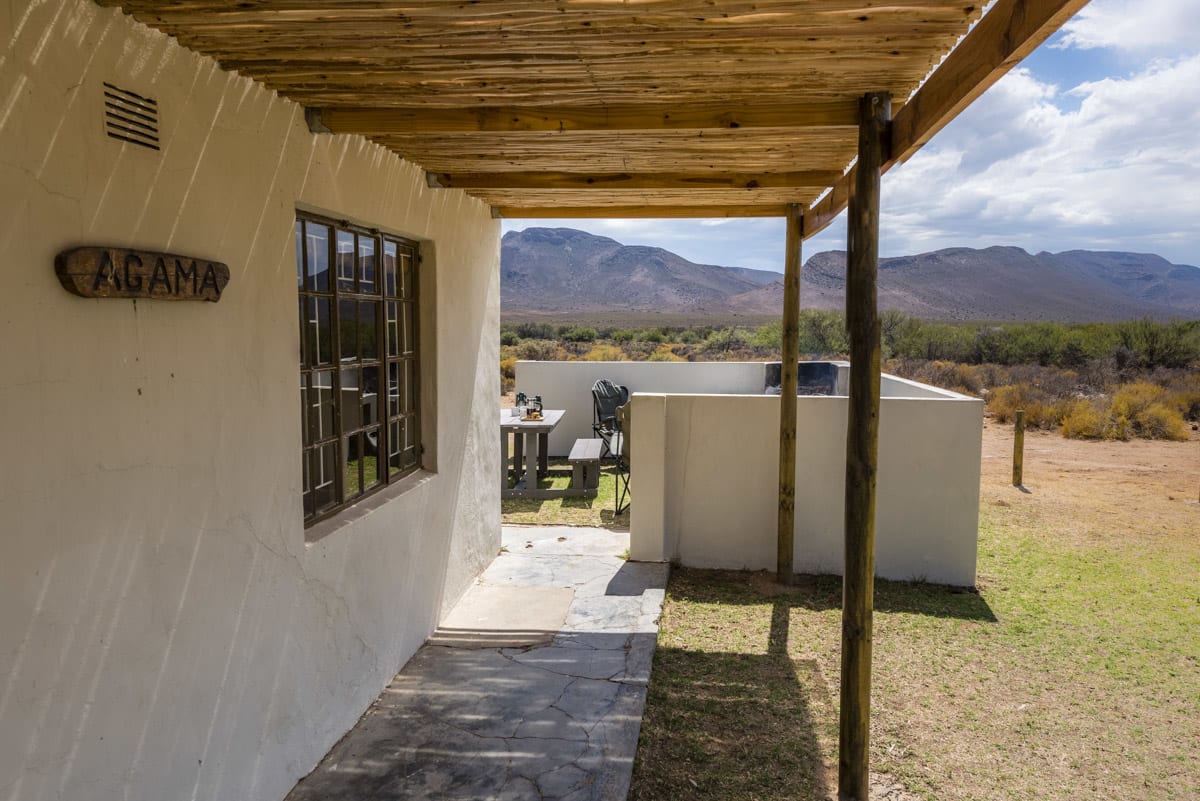
Western Cape
Anysberg · Rocherpan · De Hoop
Self-driveGuided drivesMalaria-free
Stays in Western CapeWhere to see
Hosts have recorded the Blue Crane at stays in or beside uKhahlamba-Drakensberg Park, Anysberg Nature Reserve and Addo Elephant National Park.
Grus paradiseus · Vulnerable

Planning a trip
Hosts have recorded the Blue Crane at stays in or beside uKhahlamba-Drakensberg Park, Anysberg Nature Reserve and Addo Elephant National Park.
Anysberg · Rocherpan · De Hoop
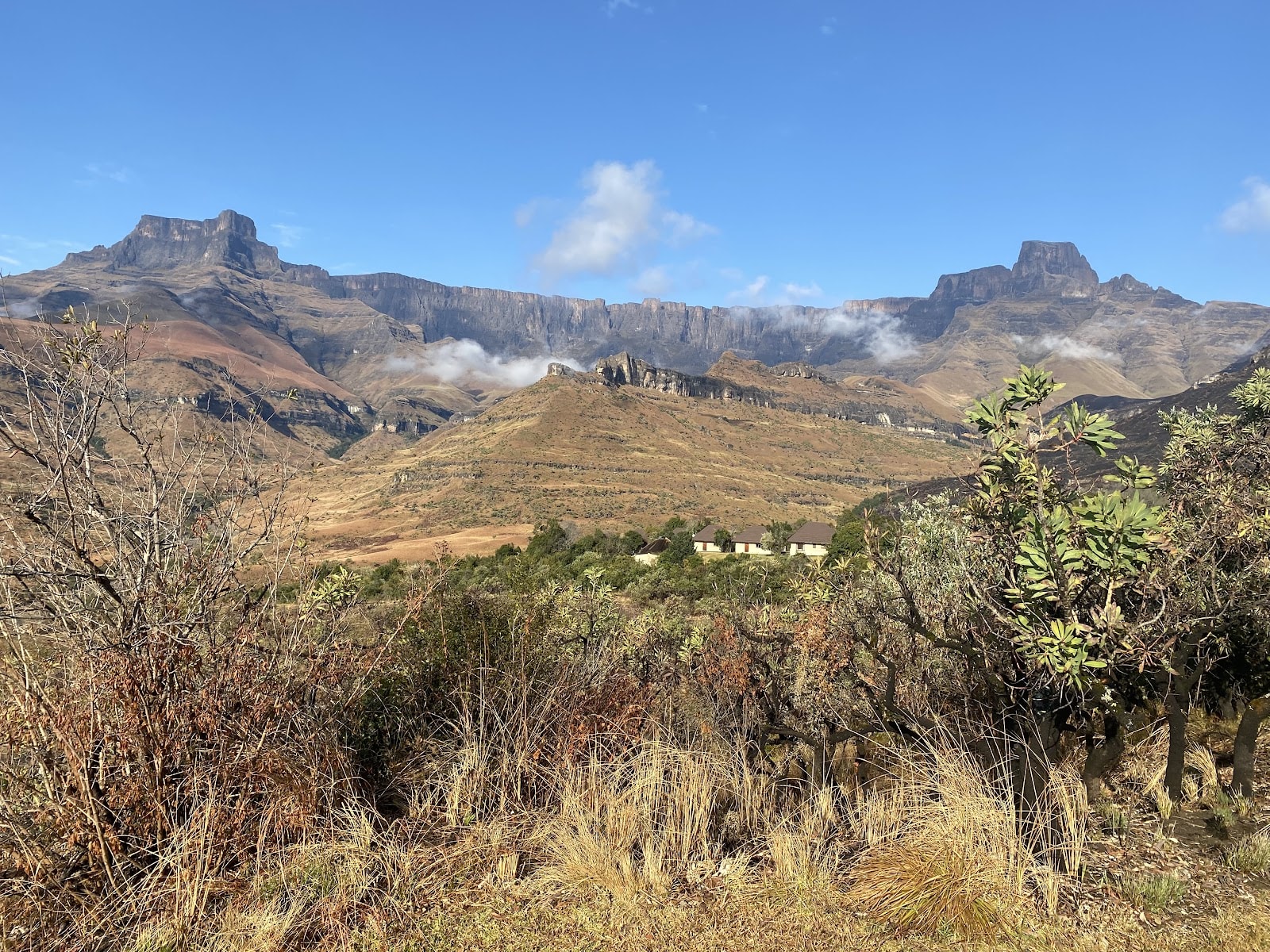
uKhahlamba-Drakensberg

Addo Elephant · Kwandwe

Golden Gate Highlands
Drive yourself
Your own vehicle and pace, on the park's roads.
Where hosts record it
IUCN Red List
Vulnerable
Species
Grus paradiseus
Records
3,264
iNaturalist observations
Every booking on Spekboom supports conservation.
A record means a host has seen the Blue Crane on the property or nearby. It is never a guarantee of a sighting.
Hosts on Spekboom have recorded the Blue Crane at stays in or beside uKhahlamba-Drakensberg Park, Anysberg Nature Reserve, Addo Elephant National Park, Kwandwe Private Game Reserve, Rocherpan Nature Reserve and De Hoop Nature Reserve and other reserves. A record means a host has seen it on the property or nearby, which makes these the places to base yourself; it is never a guarantee of a sighting on any given day.
The Blue Crane is most recorded in Western Cape (71% of records), Eastern Cape (12% of records), Northern Cape (5% of records), based on 3,264 iNaturalist observations. 122 places to stay on Spekboom in South Africa have recorded the Blue Crane on site or nearby.
The Blue Crane is recorded throughout the year, so no month is the wrong month to look for it. For the parks where hosts record it most, these are the best seasons they give. uKhahlamba-Drakensberg Park: year-round, dry season May-Sep; Anysberg Nature Reserve: Autumn and spring, Mar-May, Sep-Nov; Addo Elephant National Park: year-round, best Mar-May, Sep-Nov; Kwandwe Private Game Reserve: year-round, best Mar-May, Sep-Nov. In the dry months animals concentrate at water and the grass is short.
The Blue Crane (Grus paradiseus) is listed as Vulnerable on the IUCN Red List.
The blue crane, also known as the Stanley crane and the paradise crane, is the national bird of South Africa. The species is listed as Vulnerable by the IUCN.
Stays that give back
Every stay on the Blue Crane page lists the species its host has recorded on or near the property. A record is a sighting, never a promise.
See where to stay