
De Mond Nature Reserve
Western Cape · Best Summer for terns and waders
1 lugar

The Eurasian curlew (Numenius arquata) is a wader in the large family Scolopacidae.
Recorded year-round
Recorded in every month, so no month is the wrong month to look. We would rather say that than invent a best time.
Curve from 121 national iNaturalist observations, not from one property and not from this province. Single-month spikes are discarded as upload artefacts, and below 50 records we show no curve at all.
Western Cape and beyond
Provinces where Eurasian Curlew is most recorded. Tap one to find places to stay.
121 records, iNaturalist
Por todo o Cabo Ocidental
De Mond Nature Reserve
Eurasian Curlew: registrado aqui · Bioma: Fynbos
A partir de R 3,690 por noite

Benguela Cove, Hermanus
Observação de aves · Bioma: Fynbos
Apoia Walker Bay Fynbos Conservancy e mais 1
A partir de R 14,985 por noite

Oudtshoorn
Bioma: Karoo Suculento · Spekboom
Apoia Wolwekraal Nature Reserve
A partir de R 1,400 por noite

Wittedrift, Plettenberg Bay
Bioma: Floresta
Apoia National Sea Rescue Institute
A partir de R 2,250 por noite

Riebeek Valley, Riebeek West
Observação de aves · Bioma: Fynbos · Black wildebeest · Bontebok
Apoia BirdLife South Africa
A partir de R 5,636 por noite

Franschhoek
Bioma: Fynbos · English oak
Apoia Cape Leopard Trust
A partir de R 6,195 por noite

Klapmuts, Simondium
Angulate tortoise · Wild olive
Preço sob consulta

Gardens, Cape Town
Bioma: Fynbos · English oak
A partir de R 2,800 por noite

Bakoven, Cape Town
Bioma: Fynbos
A partir de R 9,900 por noite

Franschhoek
Bioma: Fynbos · English oak
Preço sob consulta

Swellendam
Bioma: Fynbos
Apoia Barrydale Hospice
A partir de R 4,355 por noite

Stanford
Bioma: Fynbos
Apoia Walker Bay Fynbos Conservancy e mais 1
A partir de R 2,850 por noite

Stanford
Observação de aves · Bioma: Fynbos · White milkwood · Southern right whale
Apoia Walker Bay Fynbos Conservancy
Preço sob consulta
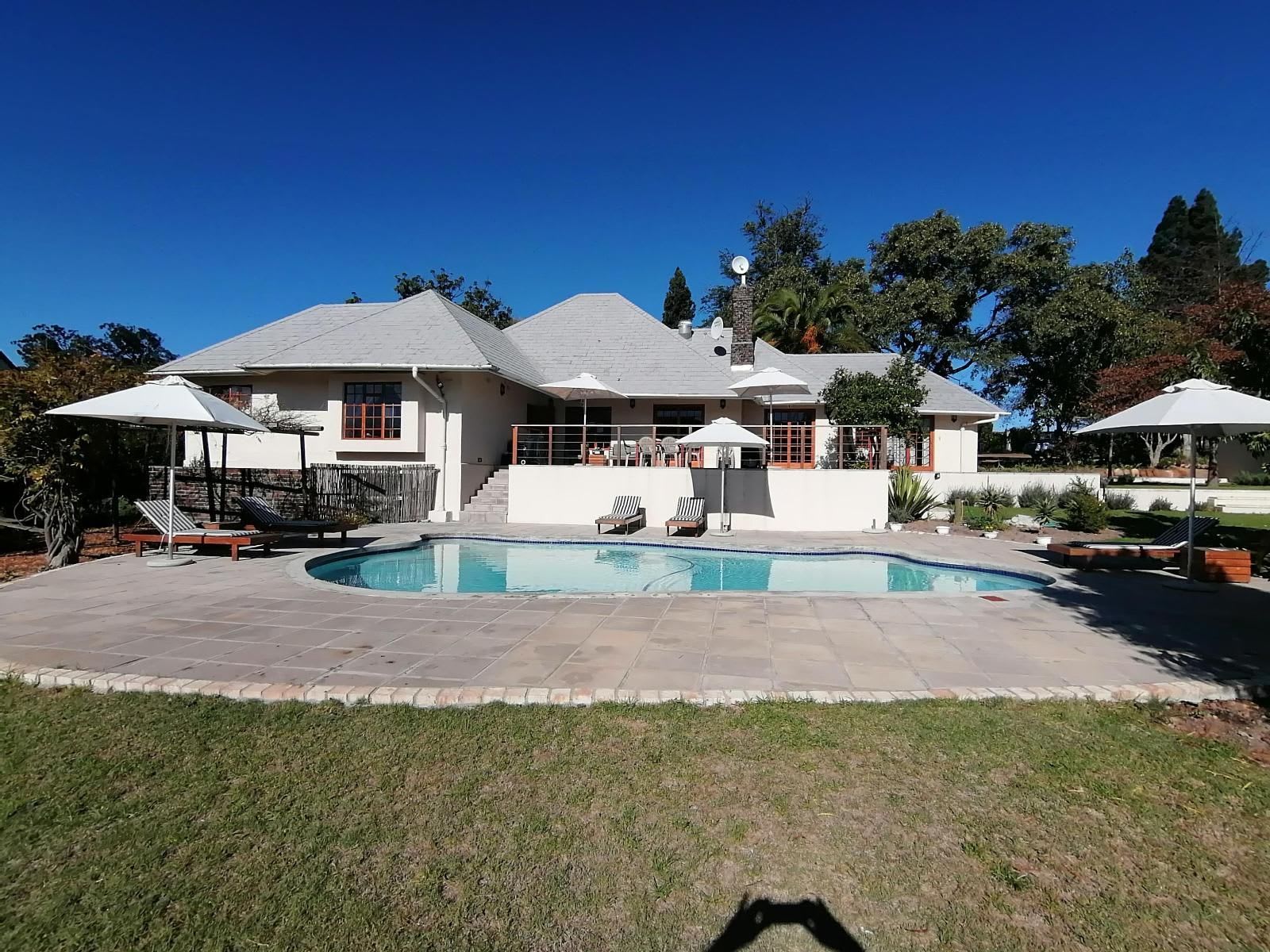
Stellenbosch
Bioma: Fynbos · English oak
Apoia Cape Leopard Trust
A partir de R 1,465 por noite

The Crags, Plettenberg Bay
Bioma: Fynbos
Apoia National Sea Rescue Institute
A partir de R 1,950 por noite

Somerset West
Bioma: Fynbos
Apoia Love to Give
Preço sob consulta

Voëlklip, Hermanus
Bioma: Fynbos · Southern right whale
Apoia Stanford Animal Welfare Society e mais 1
A partir de R 2,235 por noite

Prince Albert
Bioma: Nama-Karoo · Spekboom
Apoia Wolwekraal Nature Reserve
A partir de R 1,200 por noite

Simon's Town, Cape Town
Bioma: Fynbos
Apoia SANCCOB e mais 4
Preço sob consulta

Franschhoek
Bioma: Fynbos · English oak
Apoia Cape Leopard Trust
A partir de R 3,425 por noite

Constantia, Cape Town
Bioma: Fynbos · English oak
Apoia Cape Leopard Trust e mais 5
A partir de R 3,500 por noite

Paarl
Bioma: Fynbos
Preço sob consulta

Calitzdorp
Bioma: Matagal de Albany · Leopard · Spekboom
Apoia Wolwekraal Nature Reserve
A partir de R 2,500 por noite

Robertson
Observação de aves · Bioma: Fynbos
Apoia Pietersfontein Conservancy
A partir de R 1,155 por noite

Próxima paragem
Southern right whales, sea cliffs, and Hermanus's harbour town
Ver lugares que retribuemPlanejando uma viagem
Os anfitriões registraram esta espécie (Eurasian Curlew) em hospedagens dentro ou ao lado de De Mond Nature Reserve.
Dirija por conta própria
Seu próprio veículo e seu próprio ritmo, nas estradas do parque.
Onde os anfitriões registram
Lista Vermelha da IUCN
Near Threatened
Espécie
Numenius arquata
Registros
121
Observações no iNaturalist
Cada reserva no Spekboom apoia a conservação.
Um registro significa que um anfitrião avistou esta espécie (Eurasian Curlew) na propriedade ou nas proximidades. Nunca é garantia de avistamento.
Hosts on Spekboom have recorded the Eurasian Curlew at stays in or beside De Mond Nature Reserve. A record means a host has seen it on the property or nearby, which makes these the places to base yourself; it is never a guarantee of a sighting on any given day.
The Eurasian Curlew is most recorded in Western Cape (77% of records), KwaZulu-Natal (15% of records), Eastern Cape (8% of records), based on 121 iNaturalist observations. 1 place to stay on Spekboom in Western Cape has recorded the Eurasian Curlew on site or nearby.
The Eurasian Curlew is recorded throughout the year, so no month is the wrong month to look for it. For the parks where hosts record it most, these are the best seasons they give. De Mond Nature Reserve: Summer for terns and waders, Oct-Mar. In the dry months animals concentrate at water and the grass is short.
The Eurasian Curlew (Numenius arquata) is listed as Near Threatened on the IUCN Red List.
The Eurasian curlew (Numenius arquata) is a wader in the large family Scolopacidae. It is one of the most widespread of the curlews, breeding across temperate Europe and Asia. In Europe, this species is often referred to just as the "curlew", and in Scotland known as the "whaup" in Scots.


