
De Hoop Nature Reserve
Western Cape · Best Sep to Apr
3 luoghi

The Cape griffon or Cape vulture (Gyps coprotheres), also known as Kolbe's vulture, is an Old World vulture in the family Accipitridae.
Recorded year-round
Recorded in every month, so no month is the wrong month to look. We would rather say that than invent a best time.
Curve from 1,179 national iNaturalist observations, not from one property and not from this province. Single-month spikes are discarded as upload artefacts, and below 50 records we show no curve at all.
KwaZulu-Natal and beyond
Provinces where Cape Vulture is most recorded. Tap one to find places to stay.
1,179 records, iNaturalist
In tutto il Capo Occidentale

Oudtshoorn
Avvistato spesso · Birder Friendly · Bioma: Fynbos · Gemsbok · Greater kudu
Sostiene Wolwekraal Nature Reserve
Da R 5,060 a notte

Marloth Nature Reserve
Cape Vulture: segnalato qui · Bioma: Fynbos
Da R 1,180 a notte
De Hoop Nature Reserve
Cape Vulture: segnalato qui · Bioma: Fynbos · Bontebok · Southern right whale
Da R 6,460 a notte
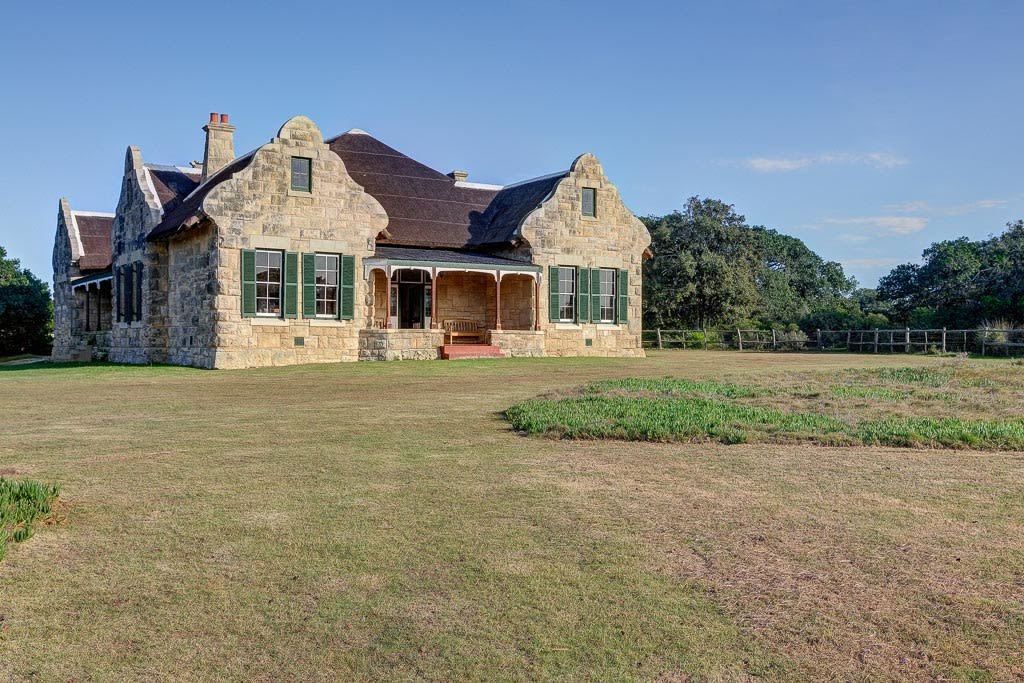
De Hoop Nature Reserve
Avvistato spesso · Birder Friendly · Bioma: Fynbos · Bontebok · Southern right whale
Prezzo su richiesta
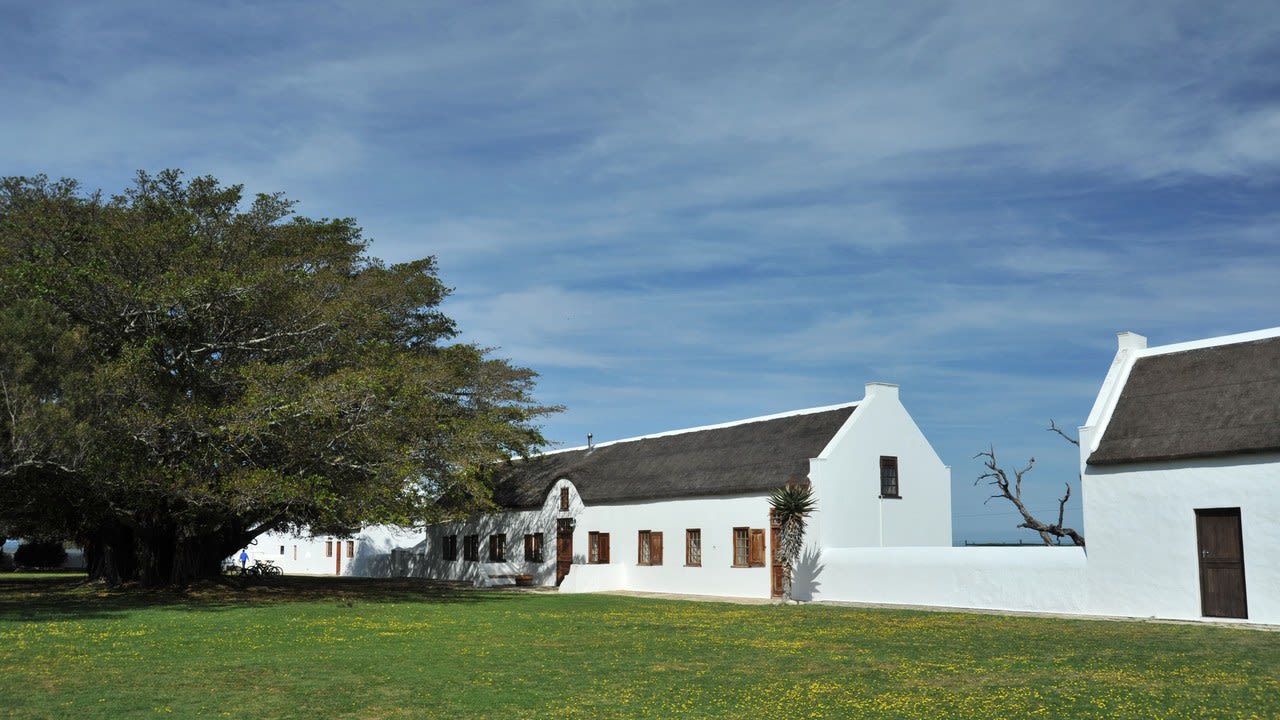
De Hoop Nature Reserve
Avvistato spesso · Birder Friendly · Bioma: Fynbos · Bontebok · Southern right whale
Prezzo su richiesta

Benguela Cove, Hermanus
Birder Friendly · Bioma: Fynbos
Sostiene Walker Bay Fynbos Conservancy e un’altra causa
Da R 14,985 a notte

Oudtshoorn
Bioma: Karoo succulento · Spekboom
Sostiene Wolwekraal Nature Reserve
Da R 1,400 a notte

Wittedrift, Plettenberg Bay
Bioma: Foresta
Sostiene National Sea Rescue Institute
Da R 2,250 a notte

Riebeek Valley, Riebeek West
Birder Friendly · Bioma: Fynbos · Black wildebeest · Bontebok
Sostiene BirdLife South Africa
Da R 5,636 a notte

Franschhoek
Bioma: Fynbos · English oak
Sostiene Cape Leopard Trust
Da R 6,195 a notte

Klapmuts, Simondium
Angulate tortoise · Wild olive
Prezzo su richiesta

Gardens, Cape Town
Bioma: Fynbos · English oak
Da R 2,800 a notte

Bakoven, Cape Town
Bioma: Fynbos
Da R 9,900 a notte

Franschhoek
Bioma: Fynbos · English oak
Prezzo su richiesta

Swellendam
Bioma: Fynbos
Sostiene Barrydale Hospice
Da R 4,355 a notte

Stanford
Bioma: Fynbos
Sostiene Walker Bay Fynbos Conservancy e un’altra causa
Da R 2,850 a notte

Stanford
Birder Friendly · Bioma: Fynbos · White milkwood · Southern right whale
Sostiene Walker Bay Fynbos Conservancy
Prezzo su richiesta
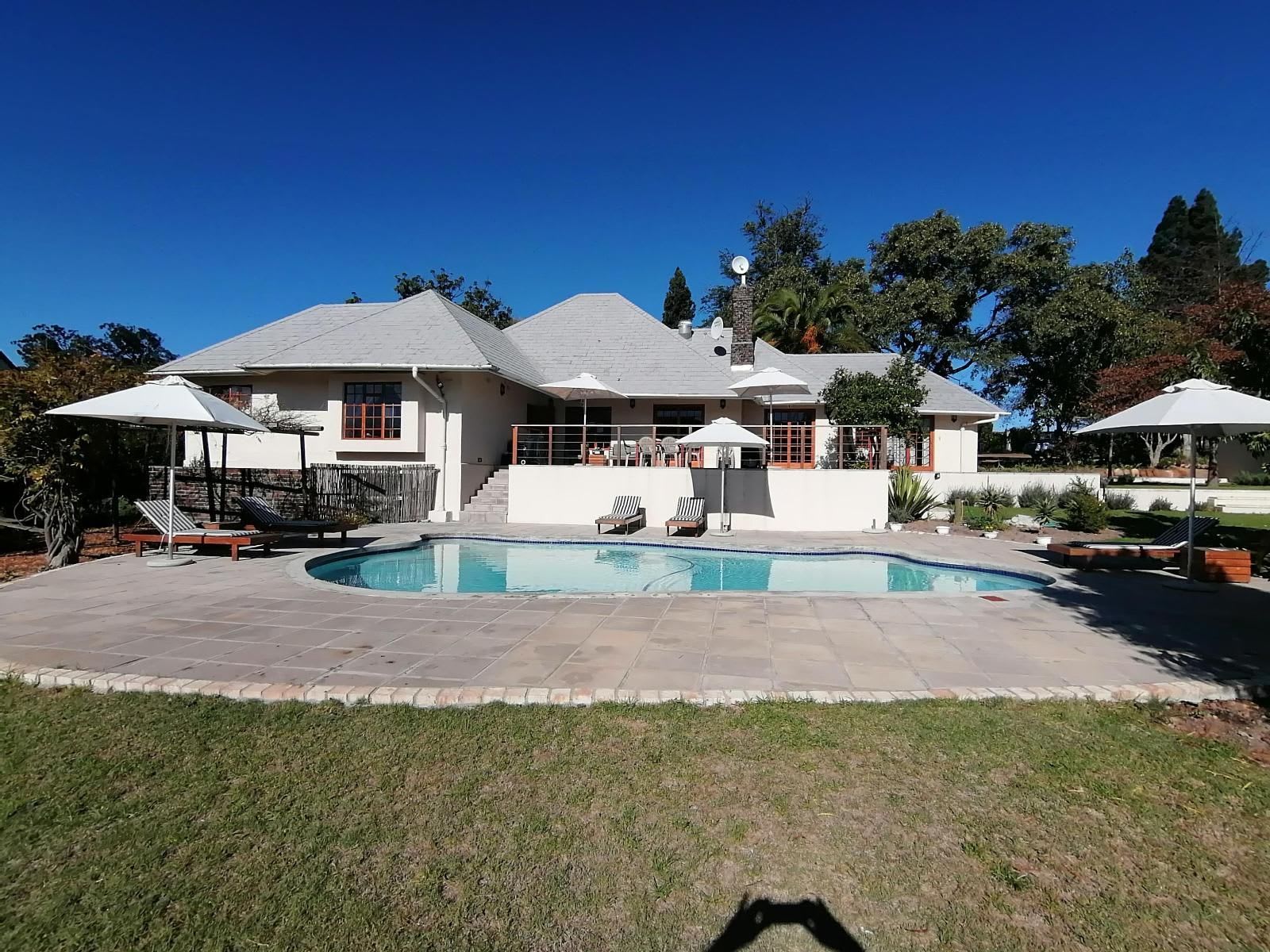
Stellenbosch
Bioma: Fynbos · English oak
Sostiene Cape Leopard Trust
Da R 1,465 a notte

The Crags, Plettenberg Bay
Bioma: Fynbos
Sostiene National Sea Rescue Institute
Da R 1,950 a notte

Somerset West
Bioma: Fynbos
Sostiene Love to Give
Prezzo su richiesta

Voëlklip, Hermanus
Bioma: Fynbos · Southern right whale
Sostiene Stanford Animal Welfare Society e un’altra causa
Da R 2,235 a notte

Prince Albert
Bioma: Nama-Karoo · Spekboom
Sostiene Wolwekraal Nature Reserve
Da R 1,200 a notte

Simon's Town, Cape Town
Bioma: Fynbos
Sostiene SANCCOB e altre 4
Prezzo su richiesta

Franschhoek
Bioma: Fynbos · English oak
Sostiene Cape Leopard Trust
Da R 3,425 a notte

Prossima tappa
Southern right whales, sea cliffs, and Hermanus's harbour town
Vedi le strutture che sostengono una causaPianificare un viaggio
Gli host hanno segnalato questa specie (Cape Vulture) in strutture dentro o accanto a De Hoop Nature Reserve and Marloth Nature Reserve.
Lista Rossa IUCN
Vulnerable
Specie
Gyps coprotheres
Segnalazioni
1,179
Osservazioni su iNaturalist
Ogni prenotazione su Spekboom sostiene la conservazione.
Una segnalazione significa che un host ha visto questa specie (Cape Vulture) nella struttura o nei dintorni. Non è mai una garanzia di avvistamento.
Hosts on Spekboom have recorded the Cape Vulture at stays in or beside De Hoop Nature Reserve and Marloth Nature Reserve. A record means a host has seen it on the property or nearby, which makes these the places to base yourself; it is never a guarantee of a sighting on any given day.
The Cape Vulture is most recorded in KwaZulu-Natal (24% of records), Western Cape (17% of records), Limpopo (15% of records), based on 1,179 iNaturalist observations. 5 places to stay on Spekboom in Western Cape have recorded the Cape Vulture on site or nearby.
The Cape Vulture is recorded throughout the year, so no month is the wrong month to look for it. For the parks where hosts record it most, these are the best seasons they give. De Hoop Nature Reserve: Sep-Apr, flowers Aug-Oct; Marloth Nature Reserve: Sep-Apr, flowers Aug-Oct. In the dry months animals concentrate at water and the grass is short.
The Cape Vulture (Gyps coprotheres) is listed as Vulnerable on the IUCN Red List.
The Cape griffon or Cape vulture (Gyps coprotheres), also known as Kolbe's vulture, is an Old World vulture in the family Accipitridae. It is endemic to southern Africa, and is found mainly in South Africa, Lesotho, Botswana and in some parts of northern Namibia. It nests on cliffs and lays one egg per year. Since 2015, it has been classified as Endangered.


