
Kruger National Park
Limpopo · Best Apr to Sep
24 luoghi

Wildlife
The African bush elephant (Loxodonta africana), also known as the African savanna elephant, is the larger of the two species of African elephants.
Recorded year-round
Recorded in every month, so no month is the wrong month to look. We would rather say that than invent a best time.
Curve from 10,842 national iNaturalist observations, not from one property and not from this province. Single-month spikes are discarded as upload artefacts, and below 50 records we show no curve at all.
Mpumalanga and beyond
Provinces where African Elephant is most recorded. Tap one to find places to stay.
10,842 records, iNaturalist
In tutto il Mpumalanga
Hazyview

African Elephant: segnalato qui
Kruger National Park

African Elephant: segnalato qui

Kruger National Park
African Elephant: segnalato qui

Kruger National Park
African Elephant: segnalato qui
Sabi Sand Game Reserve

African Elephant: segnalato qui

Kruger National Park
African Elephant: segnalato qui

Mjejane Game Reserve, Hectorspruit
African Elephant: segnalato qui

Kruger National Park
African Elephant: segnalato qui

Sabi Sand Game Reserve
African Elephant: segnalato qui

Kruger National Park
African Elephant: segnalato qui

Kruger National Park
African Elephant: segnalato qui
Kruger National Park
African Elephant: segnalato qui

Kruger National Park
African Elephant: segnalato qui

Kruger National Park
African Elephant: segnalato qui

Kruger National Park
African Elephant: segnalato qui

Kruger National Park
African Elephant: segnalato qui

Kruger National Park
African Elephant: segnalato qui

Kruger National Park
African Elephant: segnalato qui

Kruger National Park
African Elephant: segnalato qui

Kruger National Park
African Elephant: segnalato qui

Sabi Sand Game Reserve
African Elephant: segnalato qui
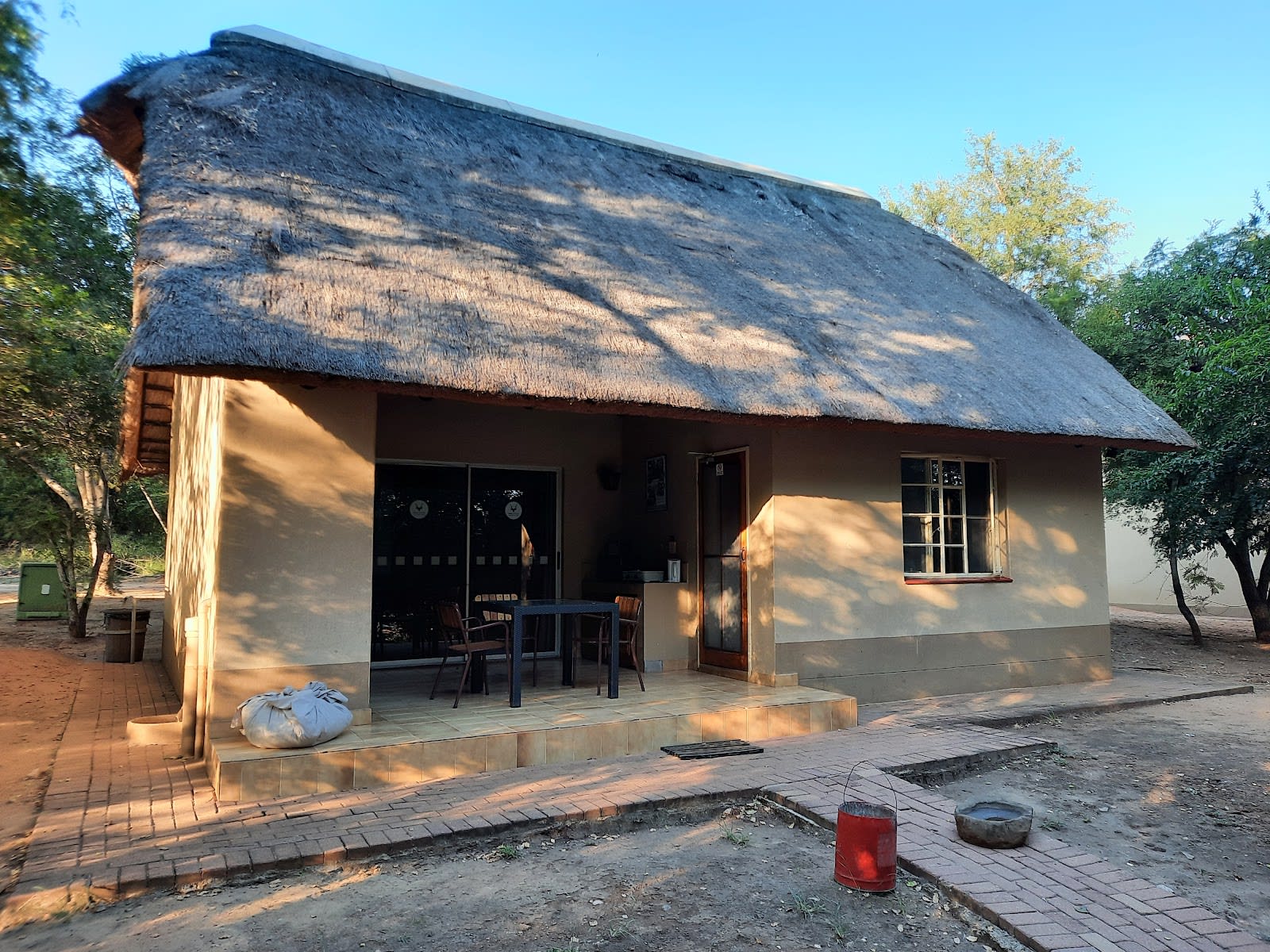
Kruger National Park
African Elephant: segnalato qui

Kruger National Park
African Elephant: segnalato qui
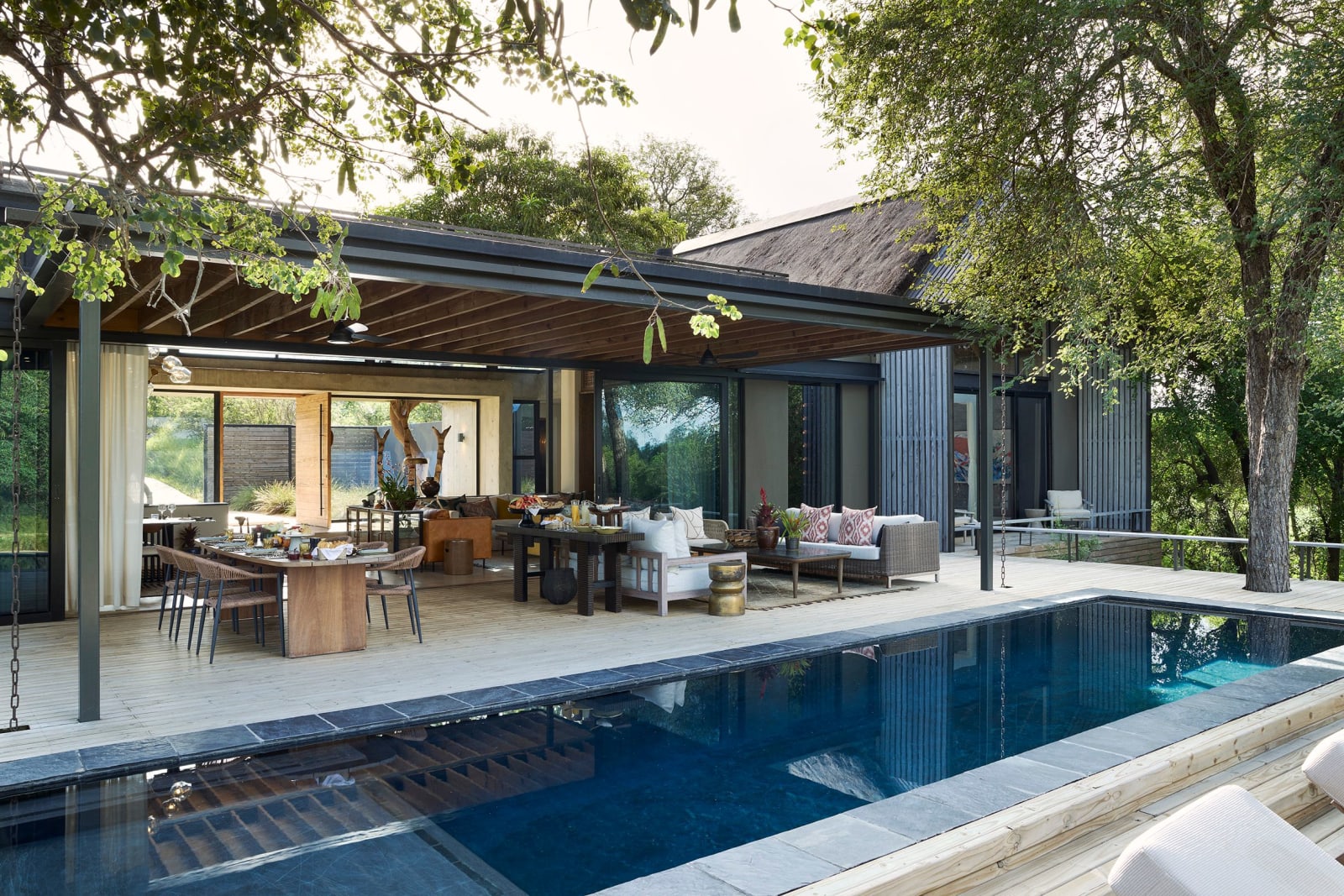
Sabi Sand Game Reserve
African Elephant: segnalato qui

Prossima tappa
iSimangaliso wetlands, sand forest, and Sodwana reefs
Vedi le strutture che sostengono una causaPianificare un viaggio
Gli host hanno segnalato questa specie (African Elephant) in strutture dentro o accanto a Kruger National Park, Sabi Sand Game Reserve and Timbavati Private Nature Reserve.
| Parco | gen | feb | mar | apr | mag | giu | lug | ago | set | ott | nov | dic |
|---|---|---|---|---|---|---|---|---|---|---|---|---|
| Kruger | Presente | Presente | Presente | Osservazione più facile | Osservazione più facile | Osservazione più facile | Osservazione più facile | Osservazione più facile | Osservazione più facile | Presente | Presente | Presente |
| Sabi Sand | Presente | Presente | Presente | Presente | Osservazione più facile |
I mesi più scuri sono la stagione migliore di ciascun parco, quando la vegetazione più rada o la scarsità d’acqua rendono più facile l’osservazione. Nessun avvistamento è garantito.
Kruger · Timbavati
Sabi Sand
Lista Rossa IUCN
Endangered
Specie
Loxodonta africana
Segnalazioni
10,842
Osservazioni su iNaturalist
Ogni prenotazione su Spekboom sostiene la conservazione.
Una segnalazione significa che un host ha visto questa specie (African Elephant) nella struttura o nei dintorni. Non è mai una garanzia di avvistamento.
Hosts on Spekboom have recorded the African Elephant at stays in or beside Kruger National Park, Sabi Sand Game Reserve and Timbavati Private Nature Reserve. A record means a host has seen it on the property or nearby, which makes these the places to base yourself; it is never a guarantee of a sighting on any given day.
The African Elephant is most recorded in Mpumalanga (39% of records), Limpopo (23% of records), Eastern Cape (16% of records), based on 10,842 iNaturalist observations. 36 places to stay on Spekboom in Mpumalanga have recorded the African Elephant on site or nearby.
The African Elephant is recorded throughout the year, so no month is the wrong month to look for it. For the parks where hosts record it most, these are the best seasons they give. Kruger National Park: Apr-Sep; Sabi Sand Game Reserve: year-round, dry season May-Sep optimal; Timbavati Private Nature Reserve: May-Sep, dry season. In the dry months animals concentrate at water and the grass is short.
The African Elephant (Loxodonta africana) is listed as Endangered on the IUCN Red List.
The African bush elephant (Loxodonta africana), also known as the African savanna elephant, is the larger of the two species of African elephants. These elephants were previously regarded as the same species, but the African forest elephant has been reclassified as L. cyclotis.
| Osservazione più facile |
| Osservazione più facile |
| Osservazione più facile |
| Osservazione più facile |
| Presente |
| Presente |
| Presente |
| Timbavati | Presente | Presente | Presente | Presente | Osservazione più facile | Osservazione più facile | Osservazione più facile | Osservazione più facile | Osservazione più facile | Presente | Presente | Presente |
|---|

