
Hluhluwe-Imfolozi Park
KwaZulu-Natal · Year-round
1 luogo

The golden-olive woodpecker (Colaptes rubiginosus) is a resident breeding bird from Mexico south and east to Guyana, northwest Argentina, Trinidad and Tobago.
In tutto il KwaZulu-Natal

Drakensberg, Bergville
Avvistato spesso · Birder Friendly · Bioma: Praterie · Bushbuck · Common eland
Sostiene Royal Drakensberg Education Trust e un’altra causa
Da R 6,800 a notte
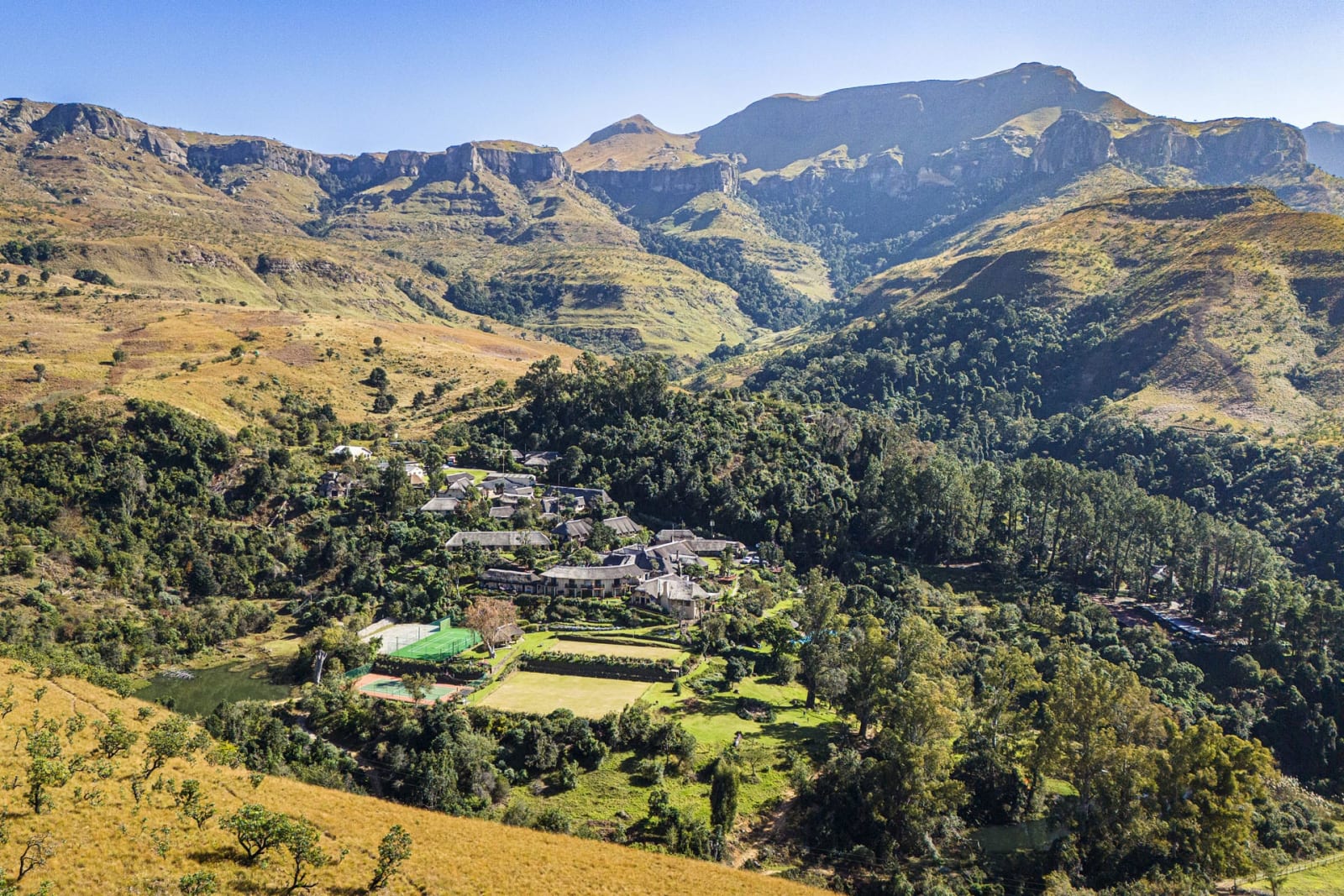
Drakensberg, Bergville
Olive Woodpecker: segnalato qui · Bioma: Praterie
Sostiene Royal Drakensberg Education Trust
Da R 4,280 a notte

Howick
Avvistato spesso · Birder Friendly · Bioma: Praterie · Bushbuck · Vervet monkey
Sostiene Isibindi Foundation
Da R 795 a notte
Hluhluwe-Imfolozi Park
Olive Woodpecker: segnalato qui · Bioma: Savana · African wild dog · Spotted hyena
Sostiene Isibindi Foundation
Prezzo su richiesta

Umdloti, Ballito
Bioma: Costa dell’Oceano Indiano
Sostiene Isibindi Foundation
Da R 13,000 a notte
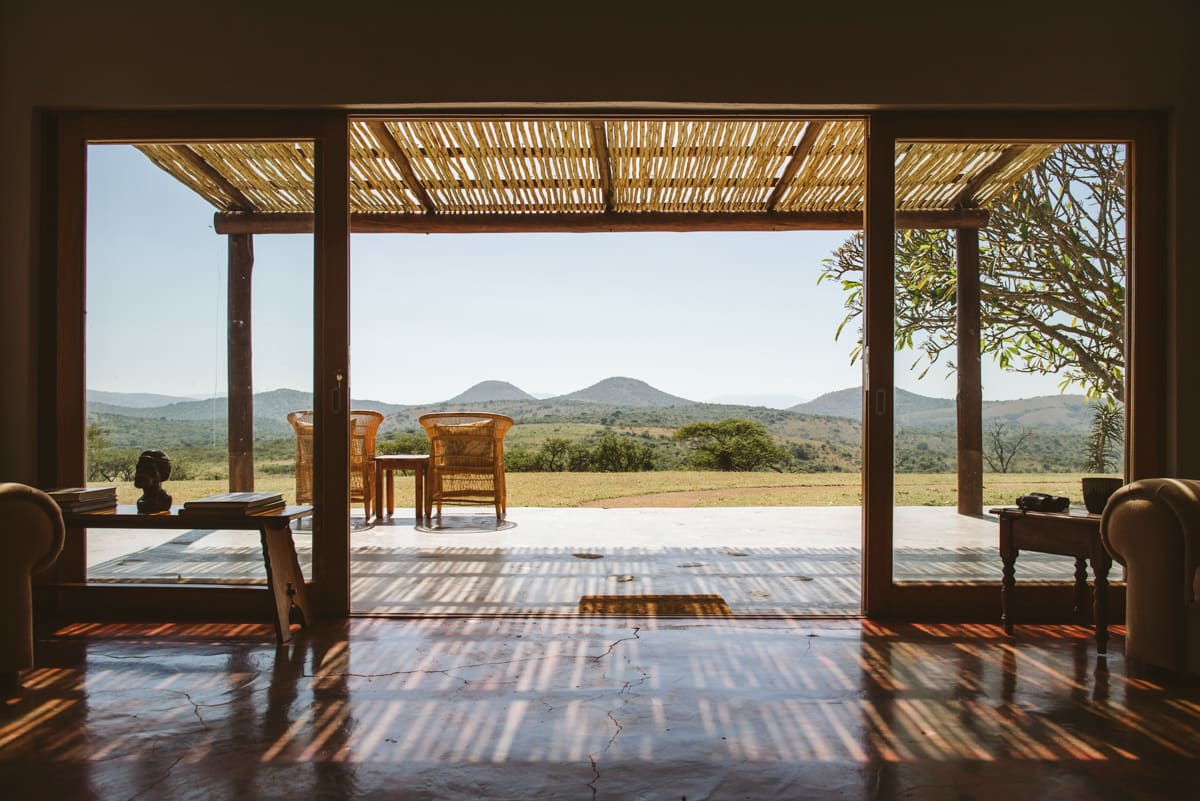
Magudu
Birder Friendly · Bioma: Savana · Leopard · Lion
Sostiene Zululand Conservation Trust
Da R 1,280 a notte
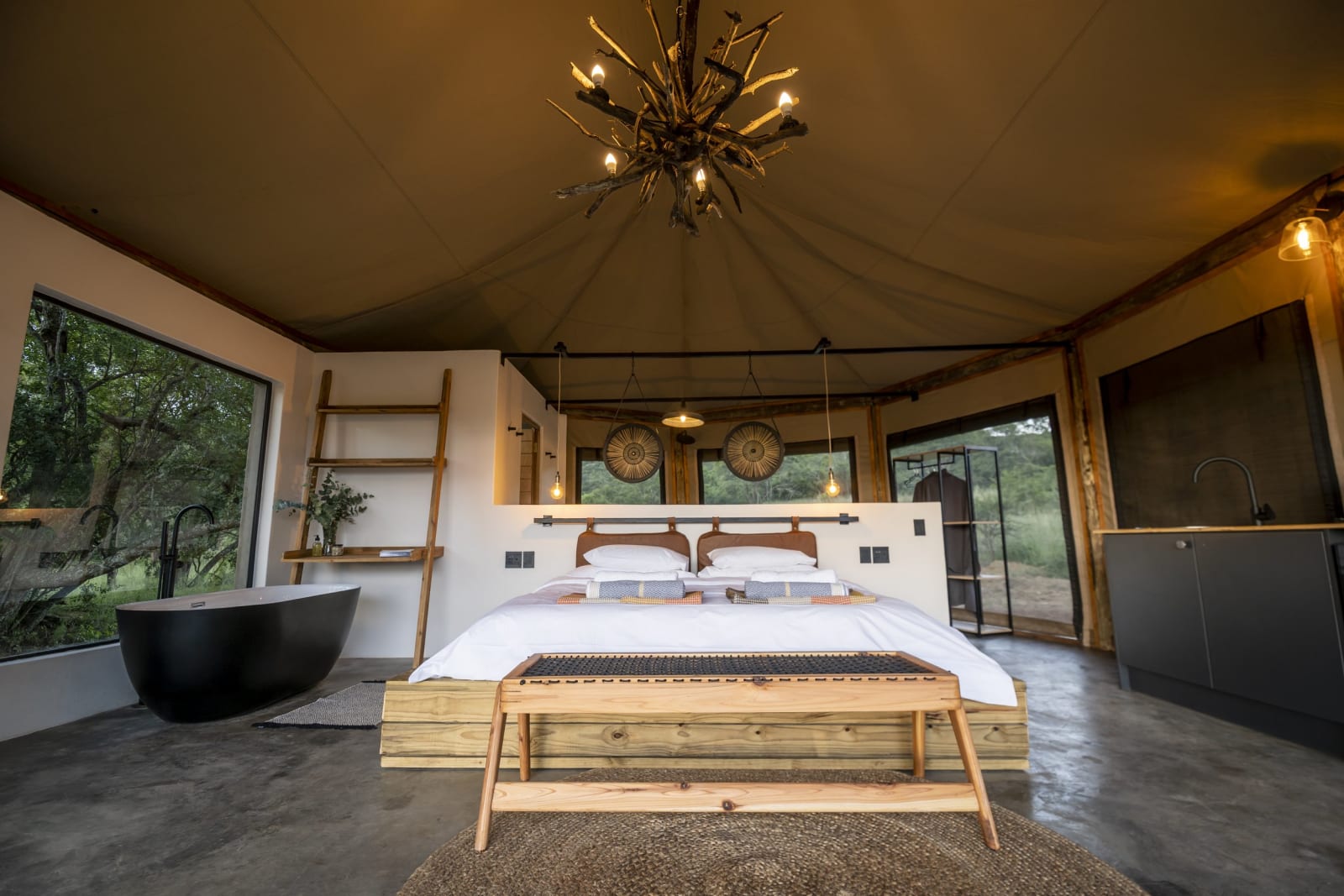
Bergville
Bioma: Praterie
Sostiene Royal Drakensberg Education Trust e altre 2
Da R 5,400 a notte

Richmond
Birder Friendly · Bioma: Praterie
Sostiene Isibindi Foundation
Da R 5,990 a notte

Drakensberg, Bergville
Bioma: Praterie · Spotted hyena · Leopard
Sostiene Royal Drakensberg Education Trust
Da R 1,140 a notte
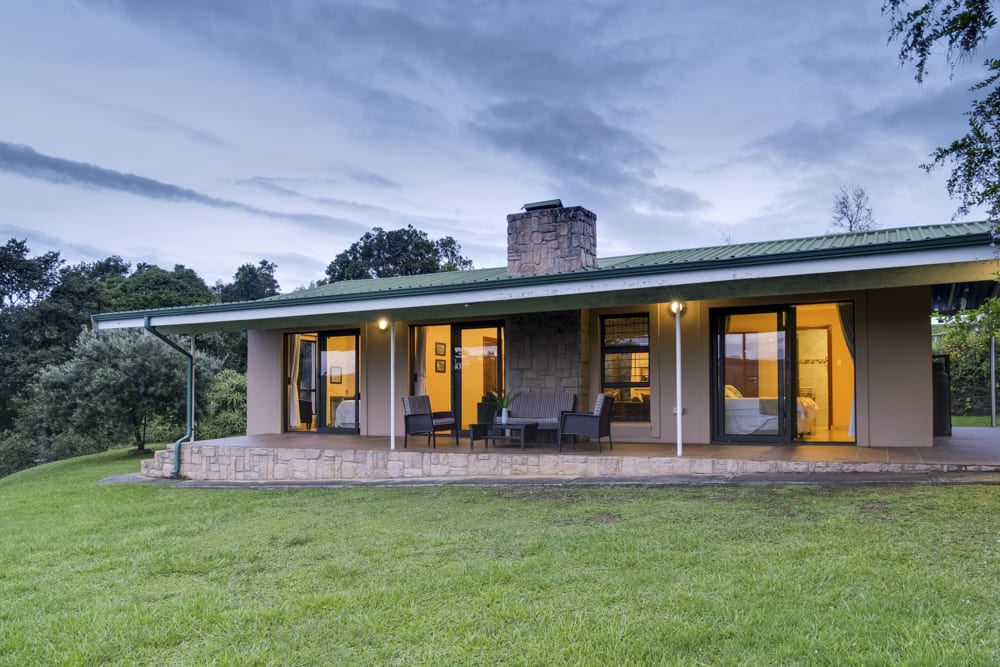
Cathkin Park
Birder Friendly · Bioma: Praterie
Sostiene Royal Drakensberg Education Trust
Da R 1,691 a notte

iSimangaliso Wetland Park
Bioma: Foresta · Humpback whale · Southern right whale
Sostiene Isibindi Foundation
Prezzo su richiesta

Underberg
Birder Friendly · Bioma: Praterie · Blesbok · Serval
Sostiene Zululand Conservation Trust e altre 3
Da R 1,200 a notte

Drakensberg, Bergville
Bioma: Praterie
Sostiene Royal Drakensberg Education Trust
Da R 1,950 a notte

iSimangaliso Wetland Park
Birder Friendly · Bioma: Foresta · Hippopotamus · Nile crocodile
Sostiene Isibindi Foundation e un’altra causa
Prezzo su richiesta

Nottingham Road
Bioma: Praterie · Bushbuck · Serval
Sostiene Royal Drakensberg Education Trust
Da R 4,100 a notte

Phinda Private Game Reserve
Bioma: Savana · Leopard · Lion
Sostiene Endangered Wildlife Trust
Prezzo su richiesta

Ballito
Bioma: Costa dell’Oceano Indiano
Sostiene National Sea Rescue Institute
Da R 3,995 a notte

Phinda Private Game Reserve
Bioma: Savana · Leopard · Lion
Sostiene Endangered Wildlife Trust
Prezzo su richiesta

Mkuze
Birder Friendly · Bioma: Savana
Sostiene Zululand Conservation Trust e altre 2
Da R 1,840 a notte
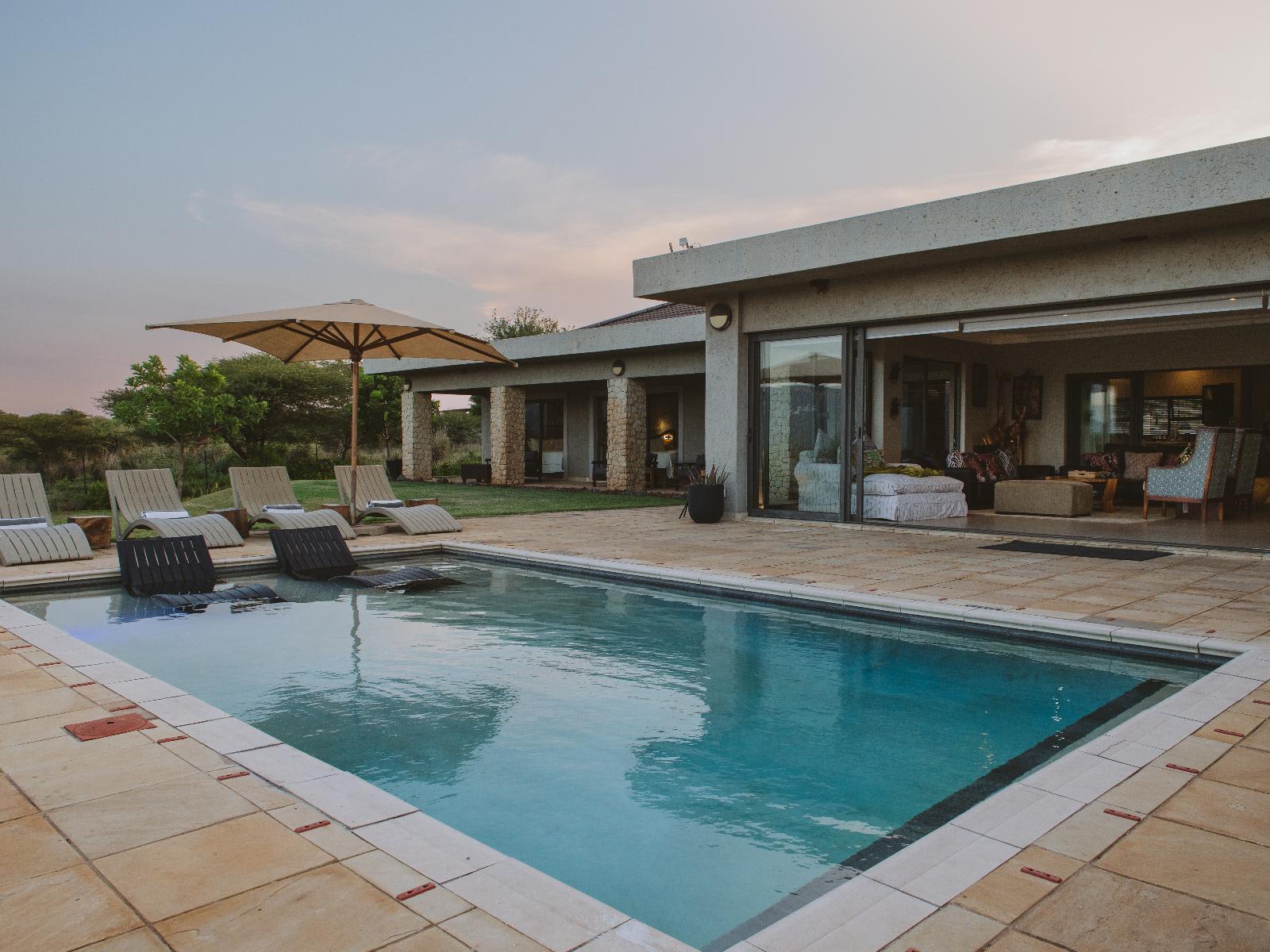
Mkuze
Birder Friendly · Bioma: Savana · African elephant · Cape buffalo
Sostiene BirdLife South Africa
Da R 14,000 a notte

Phinda Private Game Reserve
Bioma: Savana · Leopard · Lion
Sostiene Endangered Wildlife Trust
Prezzo su richiesta

Hluhluwe
Birder Friendly · Bioma: Savana · Giraffe · Nyala
Sostiene BirdLife South Africa
Da R 3,280 a notte

Hluhluwe
Birder Friendly · Bioma: Savana · Leopard · Giraffe
Sostiene BirdLife South Africa
Da R 240 a notte

Phinda Private Game Reserve
Bioma: Savana · Leopard · Lion
Sostiene Endangered Wildlife Trust
Prezzo su richiesta

Prossima tappa
Rolling green hills, dairy farms, and pottery studios
Vedi le strutture che sostengono una causaPianificare un viaggio
Gli host hanno segnalato questa specie (Olive Woodpecker) in strutture dentro o accanto a Hluhluwe-Imfolozi Park.
Specie
Colaptes rubiginosus
Ogni prenotazione su Spekboom sostiene la conservazione.
Una segnalazione significa che un host ha visto questa specie (Olive Woodpecker) nella struttura o nei dintorni. Non è mai una garanzia di avvistamento.
Hosts on Spekboom have recorded the Olive Woodpecker at stays in or beside Hluhluwe-Imfolozi Park. A record means a host has seen it on the property or nearby, which makes these the places to base yourself; it is never a guarantee of a sighting on any given day.
The golden-olive woodpecker (Colaptes rubiginosus) is a resident breeding bird from Mexico south and east to Guyana, northwest Argentina, Trinidad and Tobago. It was formerly placed in the genus Piculus. The scientific name rubiginosus means "full of rust", describing the color of the bird's wings and back.


