

Cederberg Wilderness Area
Western Cape · Best Sep to Apr
9 Orte

Wildlife
The aardwolf is an insectivorous mammal, native to East and Southern Africa.
Recorded year-round
Recorded in every month, so no month is the wrong month to look. We would rather say that than invent a best time.
Curve from 449 national iNaturalist observations, not from one property and not from this province. Single-month spikes are discarded as upload artefacts, and below 50 records we show no curve at all.
Northern Cape and beyond
Provinces where Aardwolf is most recorded. Tap one to find places to stay.
449 records, iNaturalist
In ganz Westkap

Cederberg Wilderness Area
Aardwolf hier erfasst

Gamkaberg Nature Reserve
Aardwolf hier erfasst
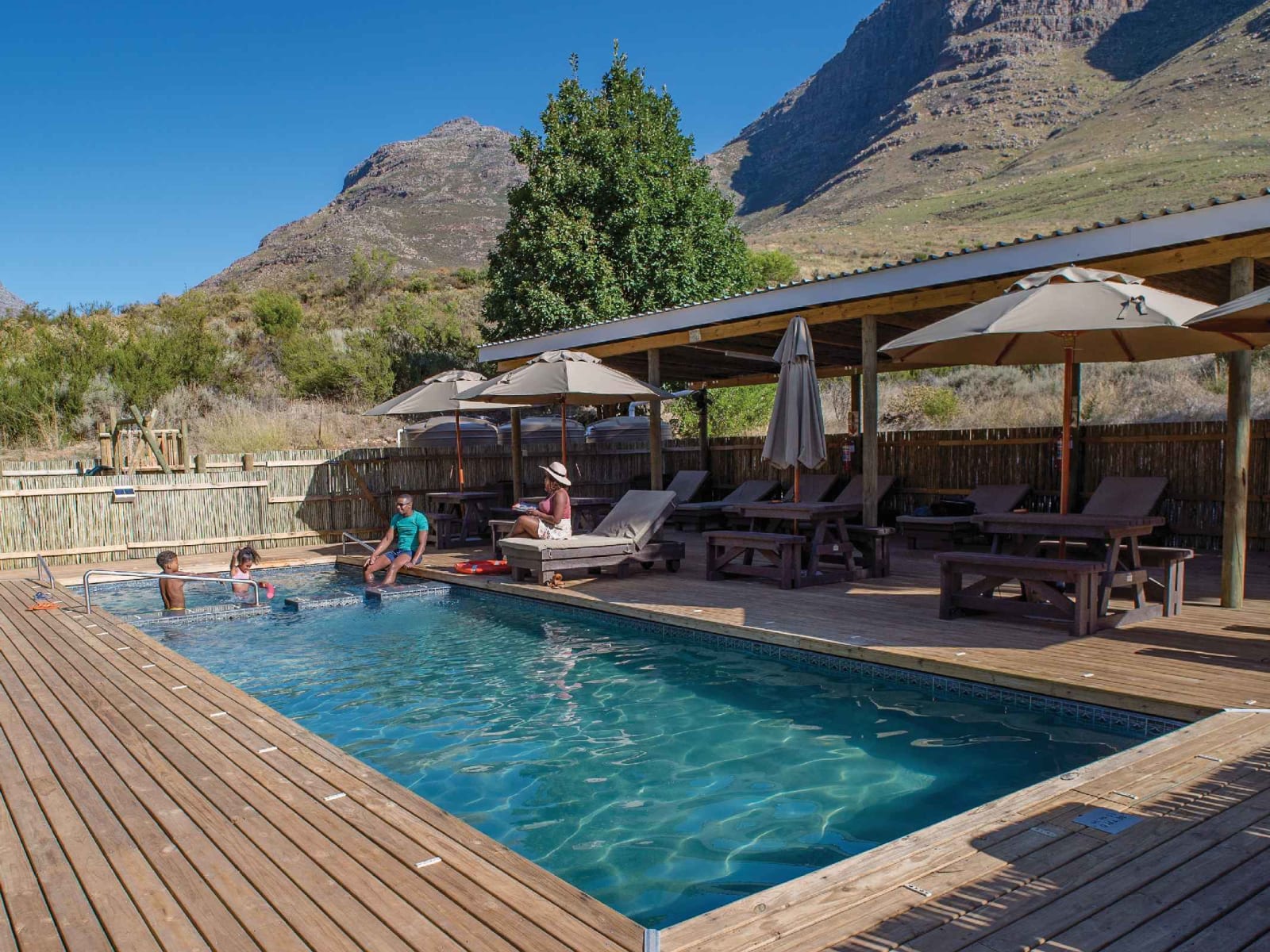
Cederberg Wilderness Area
Aardwolf hier erfasst

Gamkaberg Nature Reserve
Aardwolf hier erfasst

Gamkaberg Nature Reserve
Aardwolf hier erfasst

Gamkaberg Nature Reserve
Aardwolf hier erfasst

Gamkaberg Nature Reserve
Aardwolf hier erfasst

Gamkaberg Nature Reserve
Aardwolf hier erfasst

Gamkaberg Nature Reserve
Aardwolf hier erfasst

Cederberg Wilderness Area
Aardwolf hier erfasst
Cederberg Wilderness Area
Aardwolf hier erfasst

Cederberg Wilderness Area
Aardwolf hier erfasst

Cederberg Wilderness Area
Aardwolf hier erfasst
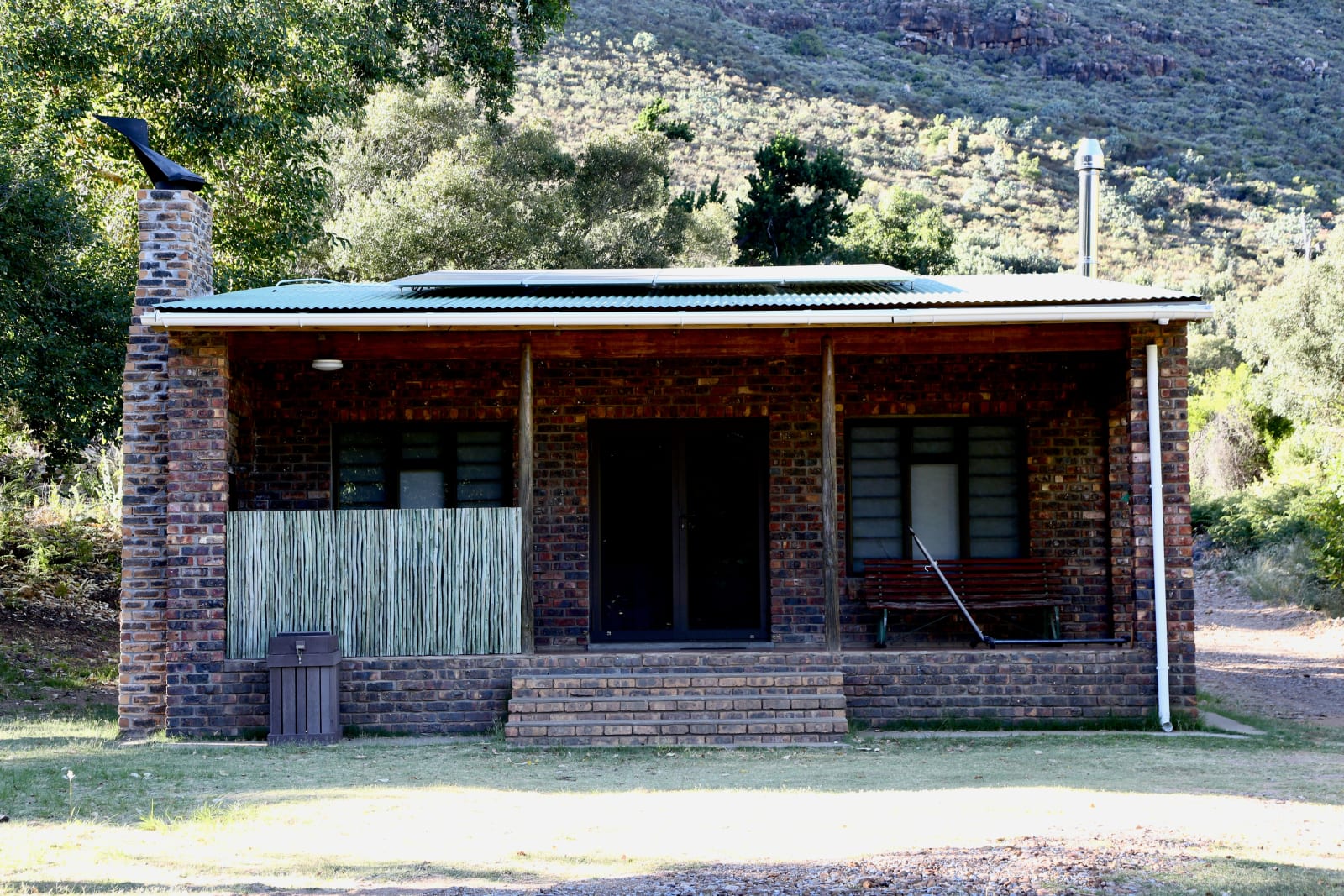
Cederberg Wilderness Area
Aardwolf hier erfasst
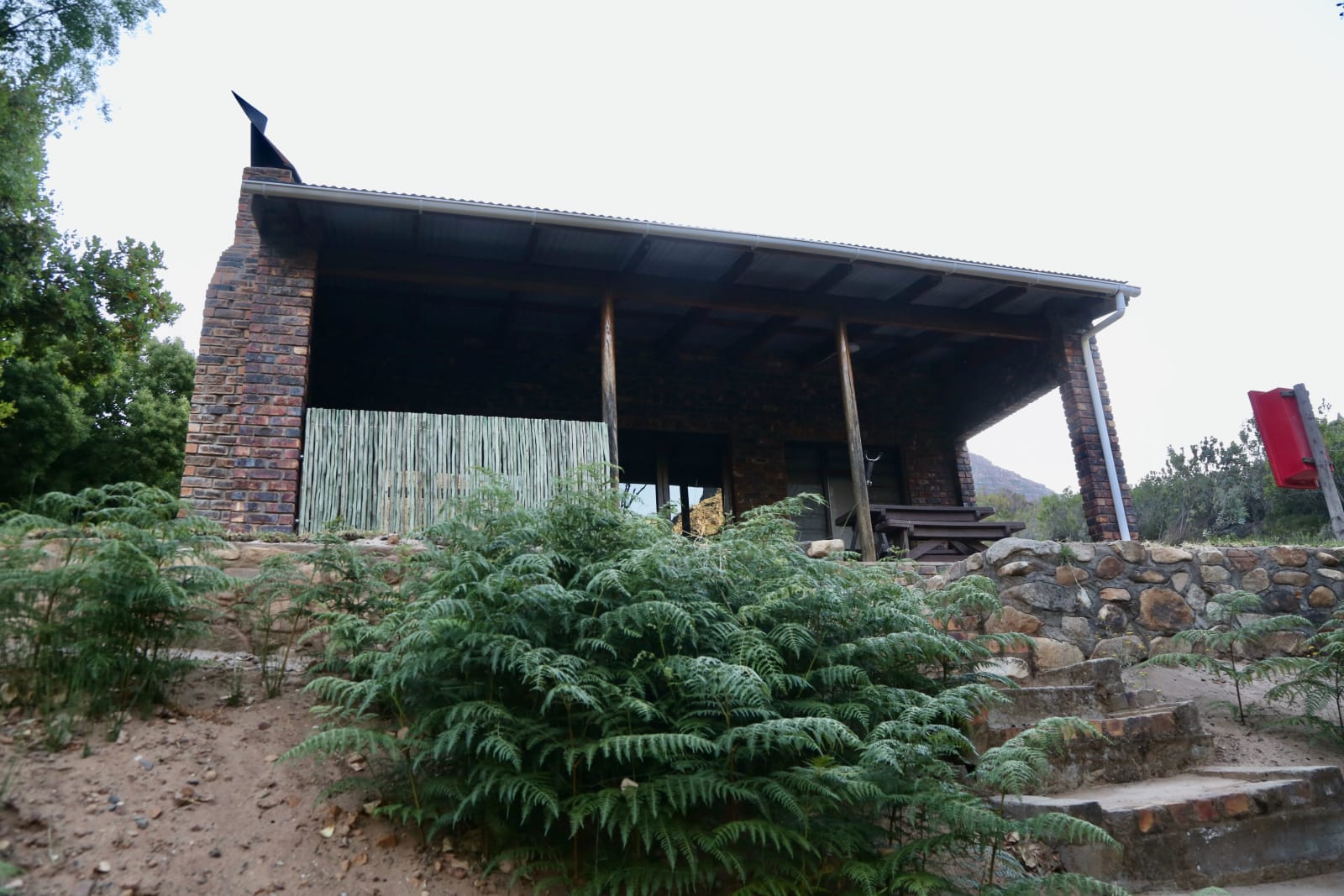
Cederberg Wilderness Area
Aardwolf hier erfasst
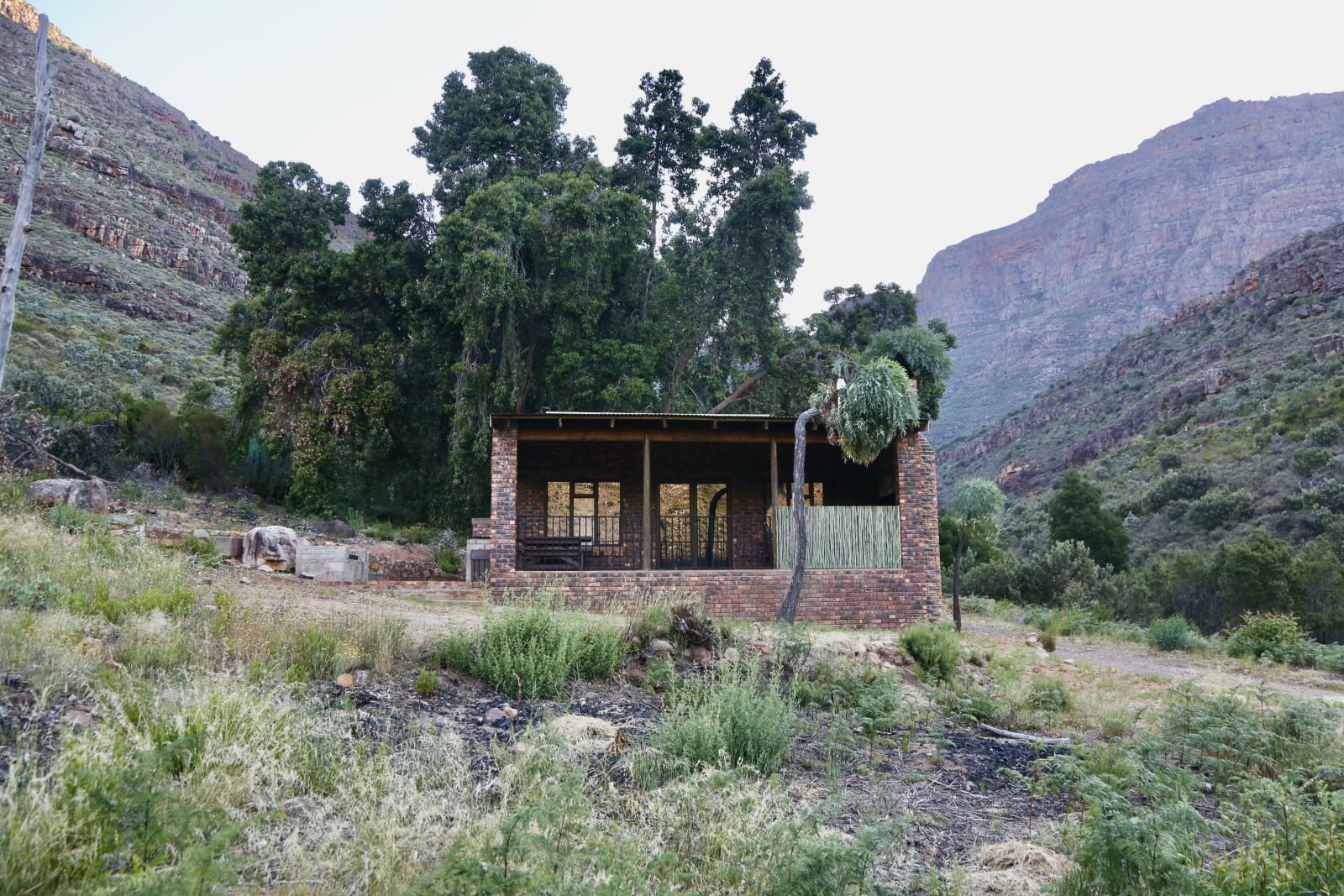
Cederberg Wilderness Area
Aardwolf hier erfasst

Karoo National Park
Aardwolf hier erfasst
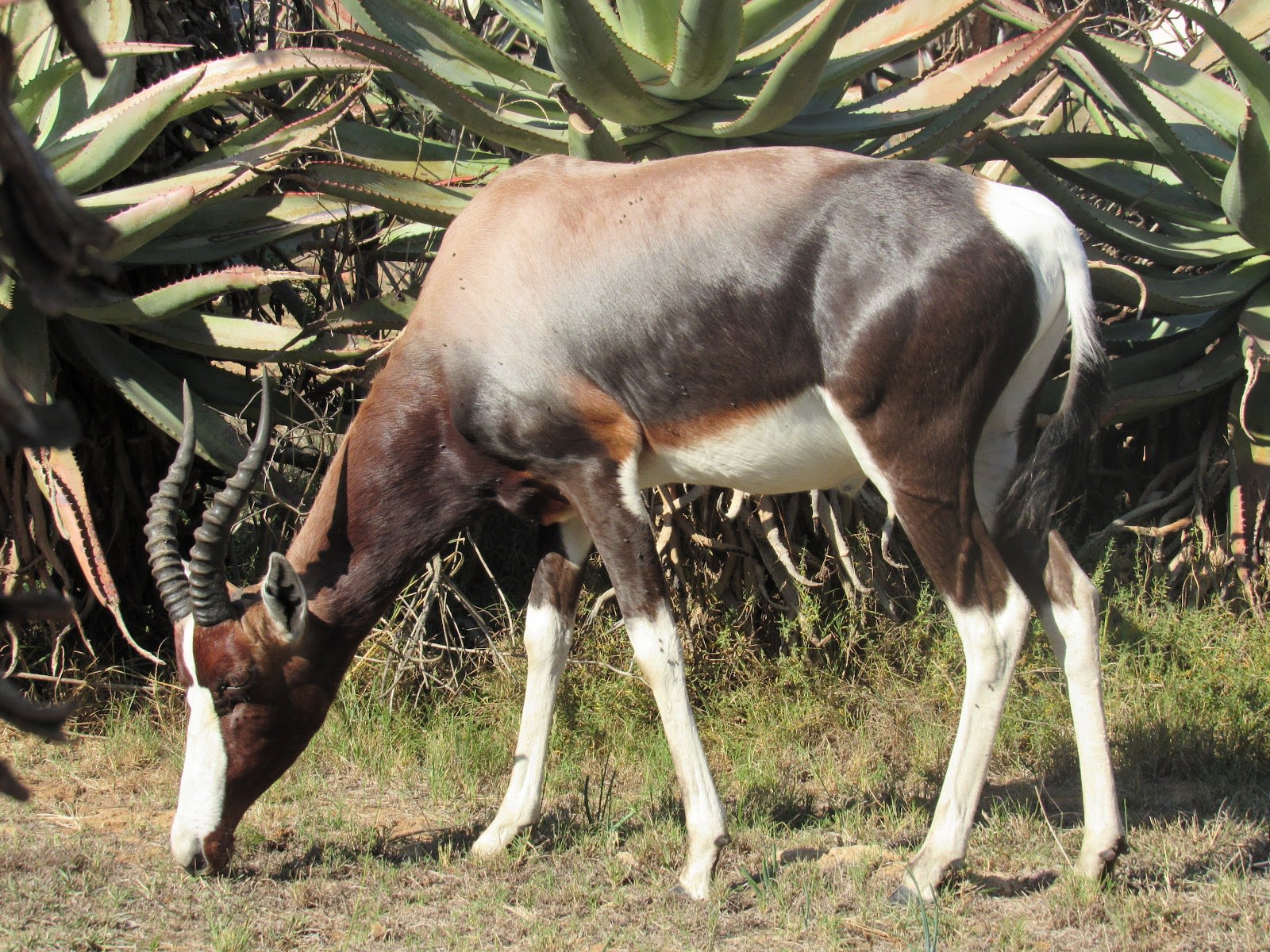
Bontebok National Park
Aardwolf hier erfasst
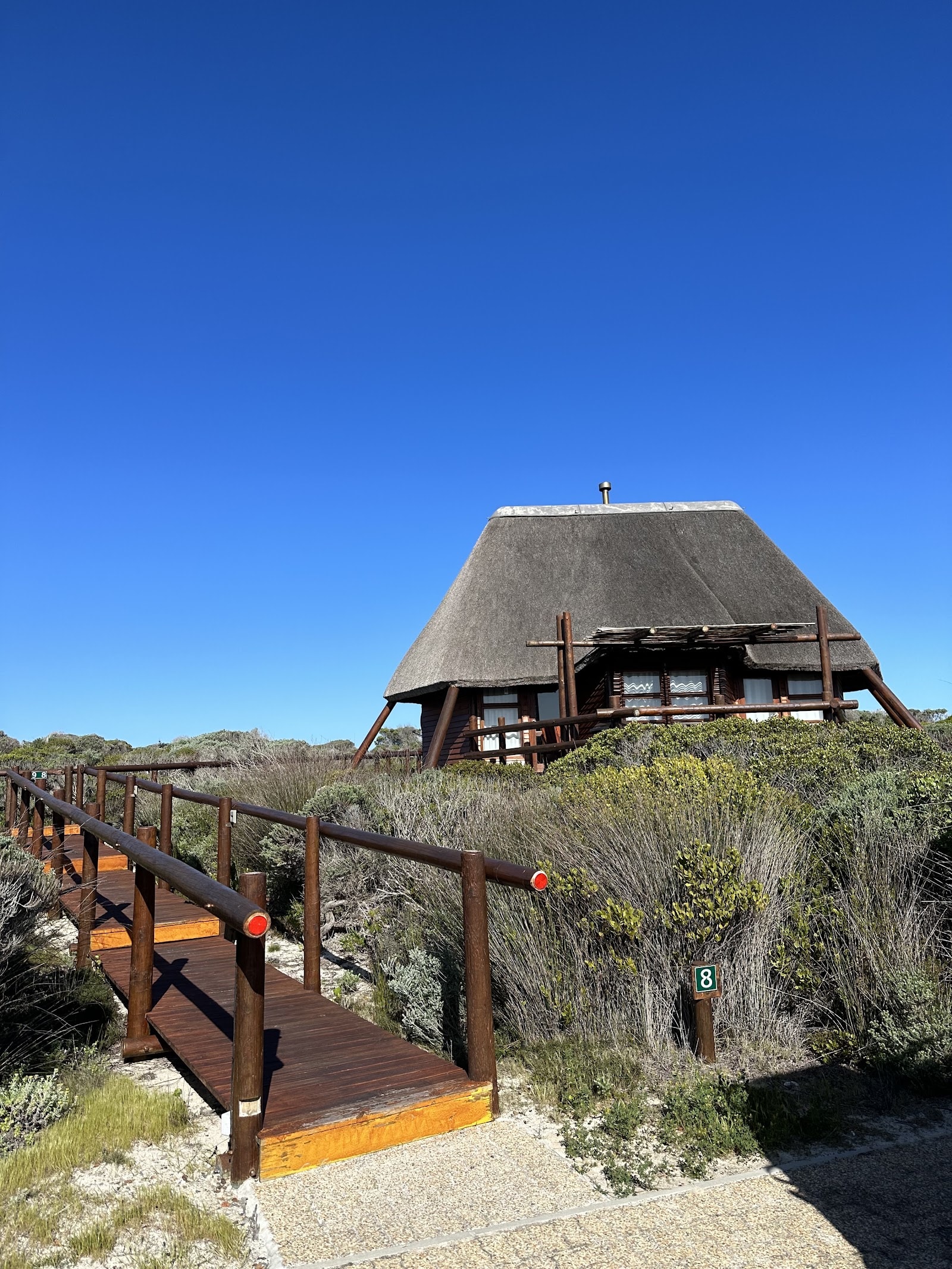
Agulhas National Park
Aardwolf hier erfasst

Benguela Cove, Hermanus


Franschhoek


Wittedrift, Plettenberg Bay


Riebeek Valley, Riebeek West


Gardens, Cape Town
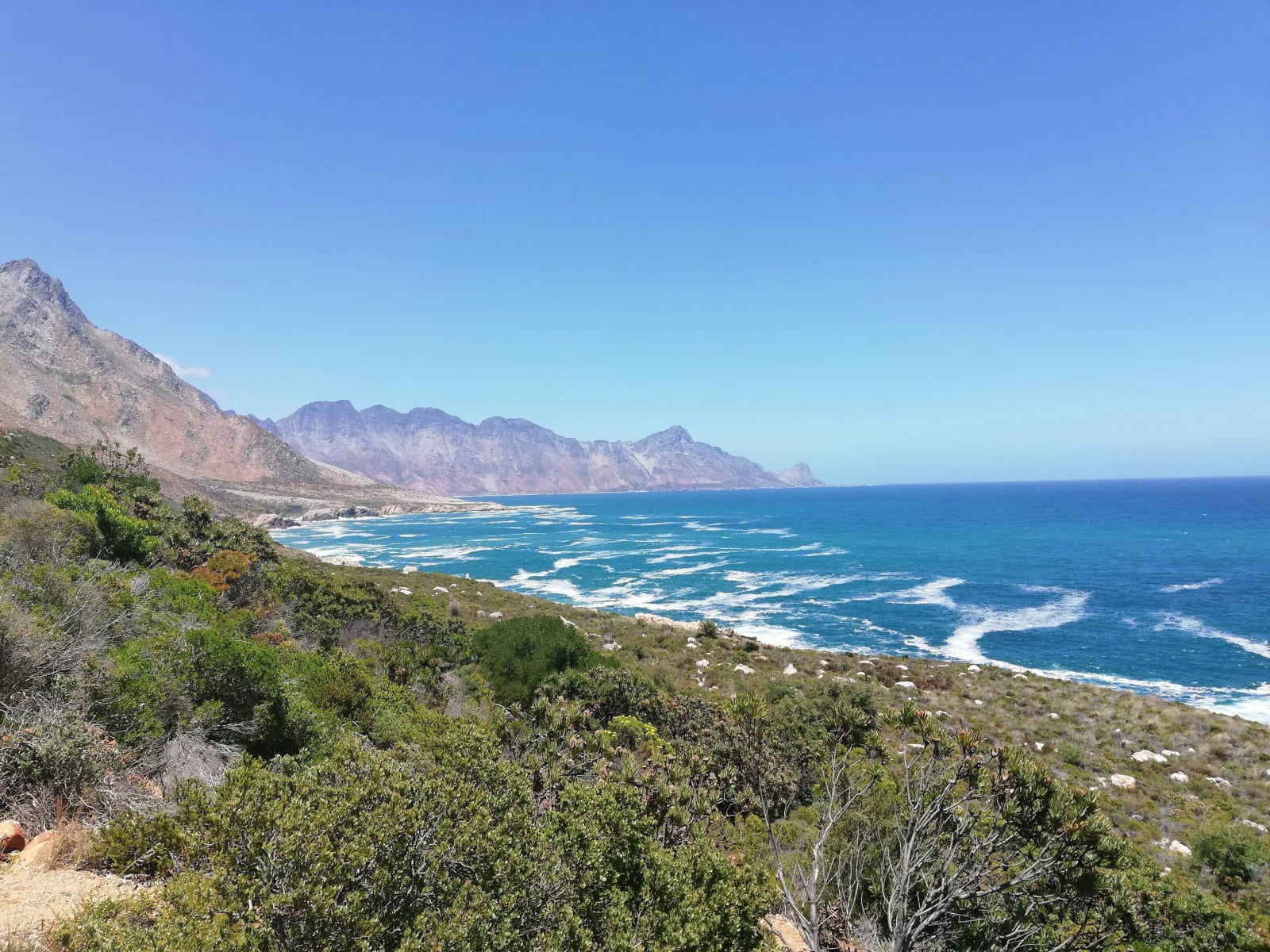
Nächster Halt
Whale coast and rolling farm country
Orte ansehen, die etwas zurückgebenEine Reise planen
Gastgeber haben die Art Aardwolf in oder bei Cederberg Wilderness Area, Gamkaberg Nature Reserve and Agulhas National Park erfasst.
| Park | Jan | Feb | Mär | Apr | Mai | Jun | Jul | Aug | Sep | Okt | Nov | Dez |
|---|---|---|---|---|---|---|---|---|---|---|---|---|
| Cederberg Wilderness Area | Beste Beobachtungszeit | Beste Beobachtungszeit | Beste Beobachtungszeit | Beste Beobachtungszeit | Hier | Hier | Hier | Hier | Beste Beobachtungszeit | Beste Beobachtungszeit | Beste Beobachtungszeit | Beste Beobachtungszeit |
| Gamkaberg | Hier | Hier | Hier | Hier |
Dunklere Monate sind die beste Saison des jeweiligen Parks, wenn lichter Busch oder knappes Wasser die Beobachtung erleichtert. Eine Sichtung ist nie garantiert.
Selbst fahren
Eigenes Fahrzeug, eigenes Tempo, auf den Straßen des Parks.
Wo Gastgeber die Art erfassen
Rote Liste der IUCN
Least Concern
Art
Proteles cristatus
Nachweise
449
iNaturalist-Beobachtungen
Jede Buchung auf Spekboom unterstützt den Naturschutz.
Ein Nachweis bedeutet, dass ein Gastgeber die Art Aardwolf auf dem Grundstück oder in der Nähe gesehen hat. Eine Sichtung ist nie garantiert.
Hosts on Spekboom have recorded the Aardwolf at stays in or beside Cederberg Wilderness Area, Gamkaberg Nature Reserve, Agulhas National Park, Bontebok National Park and Karoo National Park. A record means a host has seen it on the property or nearby, which makes these the places to base yourself; it is never a guarantee of a sighting on any given day.
The Aardwolf is most recorded in Northern Cape (43% of records), Eastern Cape (18% of records), Western Cape (14% of records), based on 449 iNaturalist observations. 19 places to stay on Spekboom in Western Cape have recorded the Aardwolf on site or nearby.
The Aardwolf is recorded throughout the year, so no month is the wrong month to look for it. For the parks where hosts record it most, these are the best seasons they give. Cederberg Wilderness Area: Sep-Apr, flowers Aug-Oct; Gamkaberg Nature Reserve: Autumn and spring, Mar-May, Sep-Nov; Agulhas National Park: Sep-Apr, flowers Aug-Oct; Bontebok National Park: Sep-Apr, flowers Aug-Oct. In the dry months animals concentrate at water and the grass is short.
The Aardwolf (Proteles cristatus) is listed as Least Concern on the IUCN Red List.
The aardwolf is an insectivorous mammal, native to East and Southern Africa. Its name means "earth-wolf" in Afrikaans and Dutch. It is also called "maanhaar-jackal" (Afrikaans for "mane-jackal"), "termite-eating hyena" and "civet hyena", based on its habit of secreting substances from its anal gland, a characteristic shared with the African civet. The aardwolf is in the same family as the hyena.
| Hier |
| Hier |
| Hier |
| Hier |
| Hier |
| Hier |
| Hier |
| Hier |
| Agulhas | Beste Beobachtungszeit | Beste Beobachtungszeit | Beste Beobachtungszeit | Beste Beobachtungszeit | Hier | Hier | Hier | Hier | Beste Beobachtungszeit | Beste Beobachtungszeit | Beste Beobachtungszeit | Beste Beobachtungszeit |
|---|
| Bontebok | Beste Beobachtungszeit | Beste Beobachtungszeit | Beste Beobachtungszeit | Beste Beobachtungszeit | Hier | Hier | Hier | Hier | Beste Beobachtungszeit | Beste Beobachtungszeit | Beste Beobachtungszeit | Beste Beobachtungszeit |
|---|
| Karoo | Beste Beobachtungszeit | Beste Beobachtungszeit | Beste Beobachtungszeit | Beste Beobachtungszeit | Hier | Hier | Hier | Hier | Beste Beobachtungszeit | Beste Beobachtungszeit | Beste Beobachtungszeit | Beste Beobachtungszeit |
|---|