
Table Mountain National Park
Western Cape · Best Sep to Apr
1 Ort

The bronze mannikin or bronze munia is a small passerine (i.e. perching) bird of the Afrotropics.
Recorded year-round
Recorded in every month, so no month is the wrong month to look. We would rather say that than invent a best time.
Curve from 2,571 national iNaturalist observations, not from one property and not from this province. Single-month spikes are discarded as upload artefacts, and below 50 records we show no curve at all.
KwaZulu-Natal and beyond
Provinces where Bronze Mannikin is most recorded. Tap one to find places to stay.
2,571 records, iNaturalist
In ganz Westkap
Table Mountain National Park
Bronze Mannikin hier erfasst · Fynbos-Biom · King protea · Sugarbush
Ab R 4,009 pro Nacht

Benguela Cove, Hermanus
Für Vogelbeobachter · Fynbos-Biom
Hilft Walker Bay Fynbos Conservancy und einem weiteren Projekt
Ab R 14,985 pro Nacht

Oudtshoorn
Sukkulenten-Karoo-Biom · Spekboom
Hilft Wolwekraal Nature Reserve
Ab R 1,400 pro Nacht

Wittedrift, Plettenberg Bay
Wald-Biom
Hilft National Sea Rescue Institute
Ab R 2,250 pro Nacht

Riebeek Valley, Riebeek West
Für Vogelbeobachter · Fynbos-Biom · Black wildebeest · Bontebok
Hilft BirdLife South Africa
Ab R 5,636 pro Nacht

Franschhoek
Fynbos-Biom · English oak
Hilft Cape Leopard Trust
Ab R 6,195 pro Nacht

Klapmuts, Simondium
Angulate tortoise · Wild olive
Preis auf Anfrage

Gardens, Cape Town
Fynbos-Biom · English oak
Ab R 2,800 pro Nacht

Bakoven, Cape Town
Fynbos-Biom
Ab R 9,900 pro Nacht

Franschhoek
Fynbos-Biom · English oak
Preis auf Anfrage

Swellendam
Fynbos-Biom
Hilft Barrydale Hospice
Ab R 4,355 pro Nacht

Stanford
Fynbos-Biom
Hilft Walker Bay Fynbos Conservancy und einem weiteren Projekt
Ab R 2,850 pro Nacht

Stanford
Für Vogelbeobachter · Fynbos-Biom · White milkwood · Southern right whale
Hilft Walker Bay Fynbos Conservancy
Preis auf Anfrage
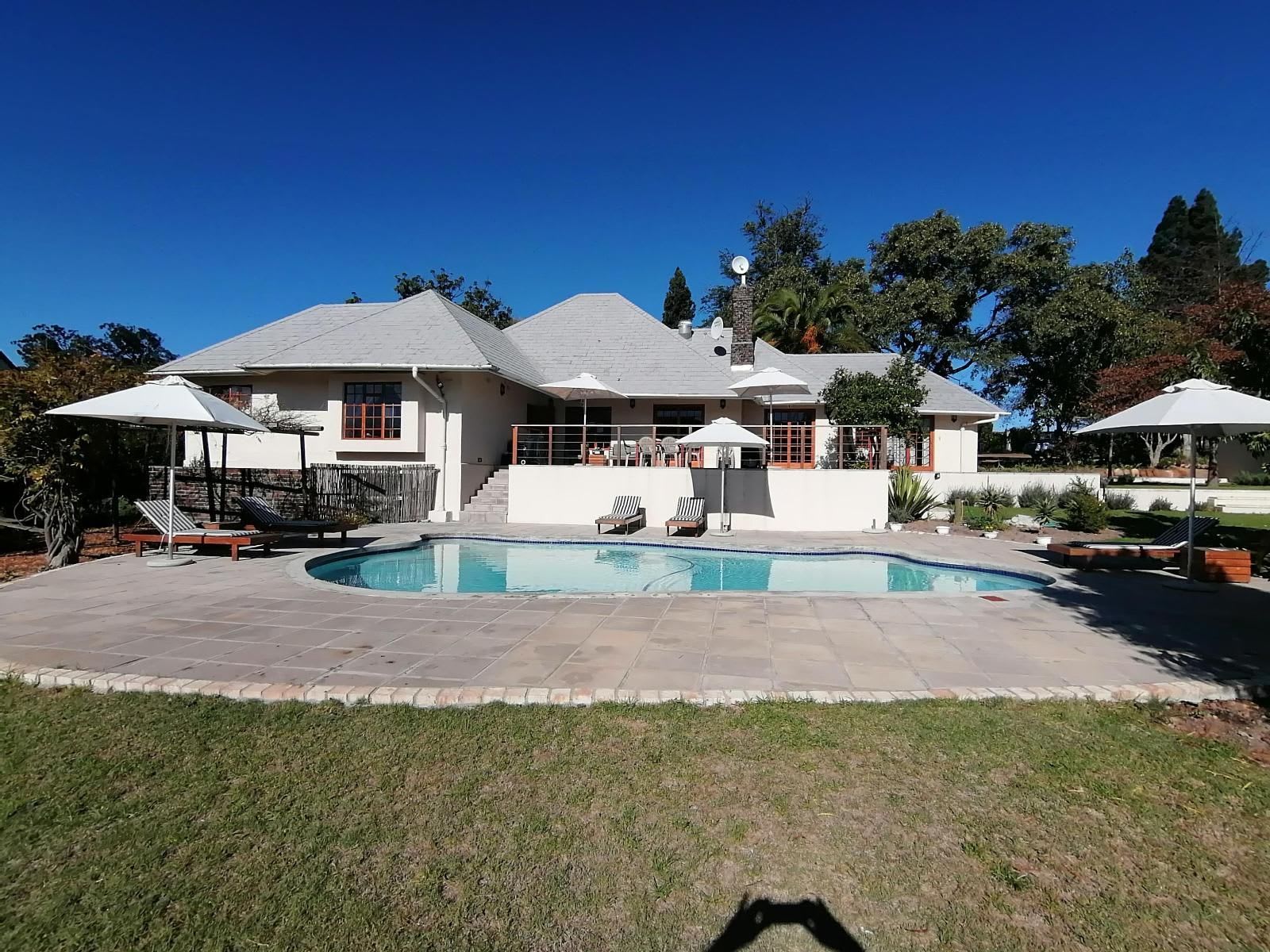
Stellenbosch
Fynbos-Biom · English oak
Hilft Cape Leopard Trust
Ab R 1,465 pro Nacht

The Crags, Plettenberg Bay
Fynbos-Biom
Hilft National Sea Rescue Institute
Ab R 1,950 pro Nacht

Somerset West
Fynbos-Biom
Hilft Love to Give
Preis auf Anfrage

Voëlklip, Hermanus
Fynbos-Biom · Southern right whale
Hilft Stanford Animal Welfare Society und einem weiteren Projekt
Ab R 2,235 pro Nacht

Prince Albert
Nama-Karoo-Biom · Spekboom
Hilft Wolwekraal Nature Reserve
Ab R 1,200 pro Nacht

Simon's Town, Cape Town
Fynbos-Biom
Hilft SANCCOB und 4 weiteren Projekten
Preis auf Anfrage

Franschhoek
Fynbos-Biom · English oak
Hilft Cape Leopard Trust
Ab R 3,425 pro Nacht

Constantia, Cape Town
Fynbos-Biom · English oak
Hilft Cape Leopard Trust und 5 weiteren Projekten
Ab R 3,500 pro Nacht

Paarl
Fynbos-Biom
Preis auf Anfrage

Calitzdorp
Albany-Dickicht-Biom · Leopard · Spekboom
Hilft Wolwekraal Nature Reserve
Ab R 2,500 pro Nacht

Robertson
Für Vogelbeobachter · Fynbos-Biom
Hilft Pietersfontein Conservancy
Ab R 1,155 pro Nacht

Nächster Halt
Southern right whales, sea cliffs, and Hermanus's harbour town
Orte ansehen, die etwas zurückgebenEine Reise planen
Gastgeber haben die Art Bronze Mannikin in oder bei Table Mountain National Park erfasst.
Selbst fahren
Eigenes Fahrzeug, eigenes Tempo, auf den Straßen des Parks.
Wo Gastgeber die Art erfassen
Art
Spermestes cucullata
Nachweise
2,571
iNaturalist-Beobachtungen
Jede Buchung auf Spekboom unterstützt den Naturschutz.
Ein Nachweis bedeutet, dass ein Gastgeber die Art Bronze Mannikin auf dem Grundstück oder in der Nähe gesehen hat. Eine Sichtung ist nie garantiert.
Hosts on Spekboom have recorded the Bronze Mannikin at stays in or beside Table Mountain National Park. A record means a host has seen it on the property or nearby, which makes these the places to base yourself; it is never a guarantee of a sighting on any given day.
The Bronze Mannikin is most recorded in KwaZulu-Natal (44% of records), Gauteng (21% of records), Western Cape (17% of records), based on 2,571 iNaturalist observations. 1 place to stay on Spekboom in Western Cape has recorded the Bronze Mannikin on site or nearby.
The Bronze Mannikin is recorded throughout the year, so no month is the wrong month to look for it. For the parks where hosts record it most, these are the best seasons they give. Table Mountain National Park: Sep-Apr, flowers Aug-Oct. In the dry months animals concentrate at water and the grass is short.
The bronze mannikin or bronze munia is a small passerine (i.e. perching) bird of the Afrotropics. This very social estrildid finch is an uncommon to locally abundant bird in much of Africa south of the Sahara Desert, where it is resident, nomadic or irruptive in mesic savanna or forest margin habitats. It has an estimated global extent of occurrence of 8,100,000 km².


