
Dorob National Park
Erongo · Year-round
3 Orte

Rüppell's korhaan (Heterotetrax rueppelii), also known as Rüppell's bustard, is a species of bird in the family Otididae.
In diesen Schutzgebieten erfassen Gastgeber auf Spekboom die Art.
Recorded year-round
Recorded in every month, so no month is the wrong month to look. We would rather say that than invent a best time.
Curve from 592 national iNaturalist observations, not from one property. Single-month spikes are discarded as upload artefacts, and below 50 records we show no curve at all.
In ganz Südafrika

Benguela Cove, Hermanus

Für Vogelbeobachter
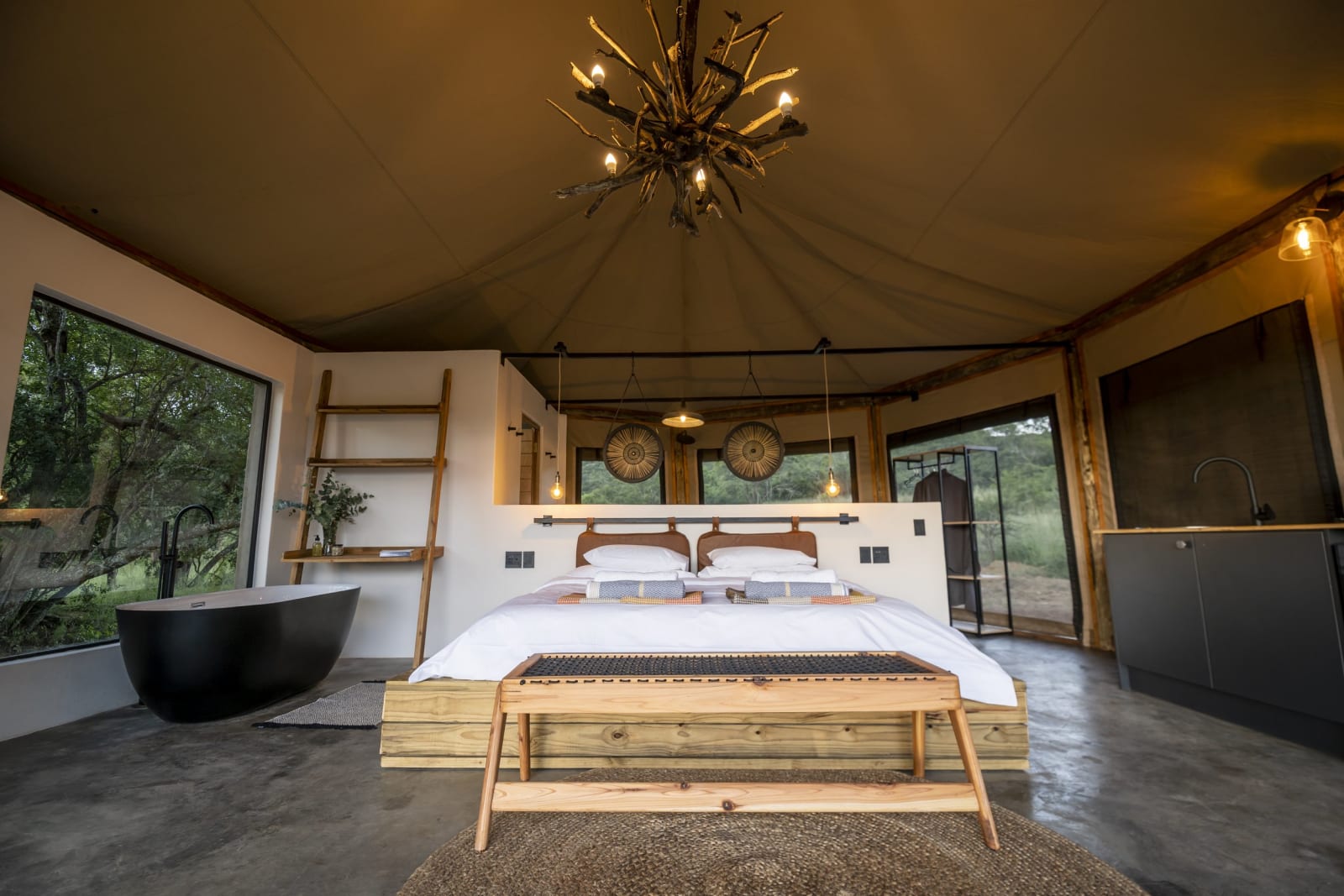
Bergville


Kruger National Park

Für Vogelbeobachter

Riebeek Valley, Riebeek West
Für Vogelbeobachter
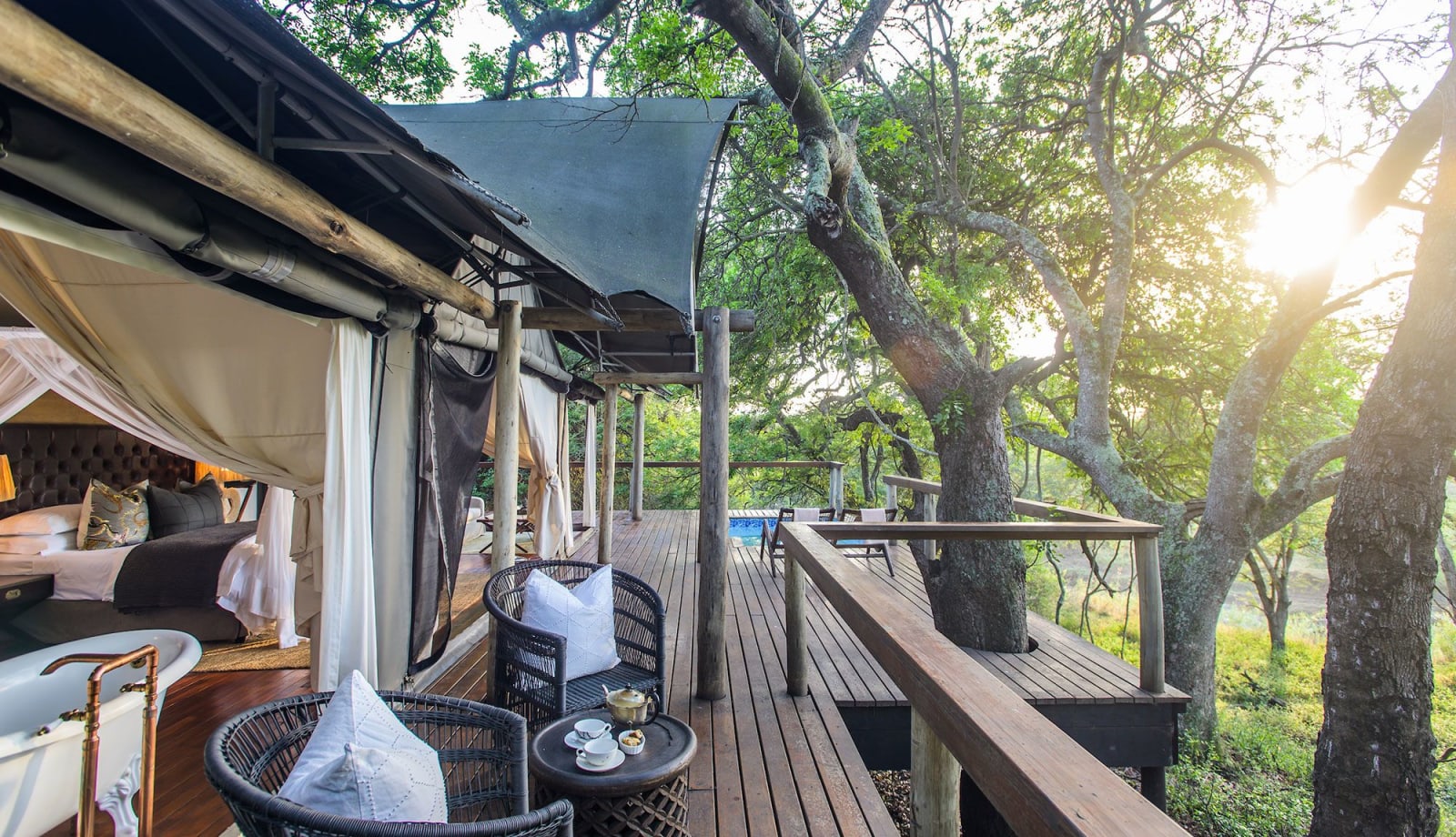
Hazyview

Klapmuts, Simondium

Gardens, Cape Town

Bakoven, Cape Town

Timbavati Private Nature Reserve

Kruger National Park
Für Vogelbeobachter

Kruger National Park
Für Vogelbeobachter

Hluhluwe-Imfolozi Park

Kruger National Park
Für Vogelbeobachter

Madikwe

iSimangaliso Wetland Park

Swellendam


Hoedspruit

Franschhoek

Wittedrift, Plettenberg Bay


Stanford

Stanford
Für Vogelbeobachter
Stellenbosch

The Crags, Plettenberg Bay

Kruger National Park

Nächster Halt
Sandstone amphitheatres and cool mountain air
Orte ansehen, die etwas zurückgebenEine Reise planen
Rote Liste der IUCN
Least Concern
Art
Heterotetrax rueppelii
Jede Buchung auf Spekboom unterstützt den Naturschutz.
Ein Nachweis bedeutet, dass ein Gastgeber die Art Rüppell's Korhaan auf dem Grundstück oder in der Nähe gesehen hat. Eine Sichtung ist nie garantiert.
The Rüppell's Korhaan is recorded throughout the year, so no month is the wrong month to look for it.
The Rüppell's Korhaan (Heterotetrax rueppelii) is listed as Least Concern on the IUCN Red List.
Rüppell's korhaan (Heterotetrax rueppelii), also known as Rüppell's bustard, is a species of bird in the family Otididae. The species is represented by a small bustard, only 60 cm long. The head and neck are grey, with black stripes down the throat (less marked in females), through the eye, and on the sides of the neck, and white cheeks. The body is sandy brown above, and white below.

