
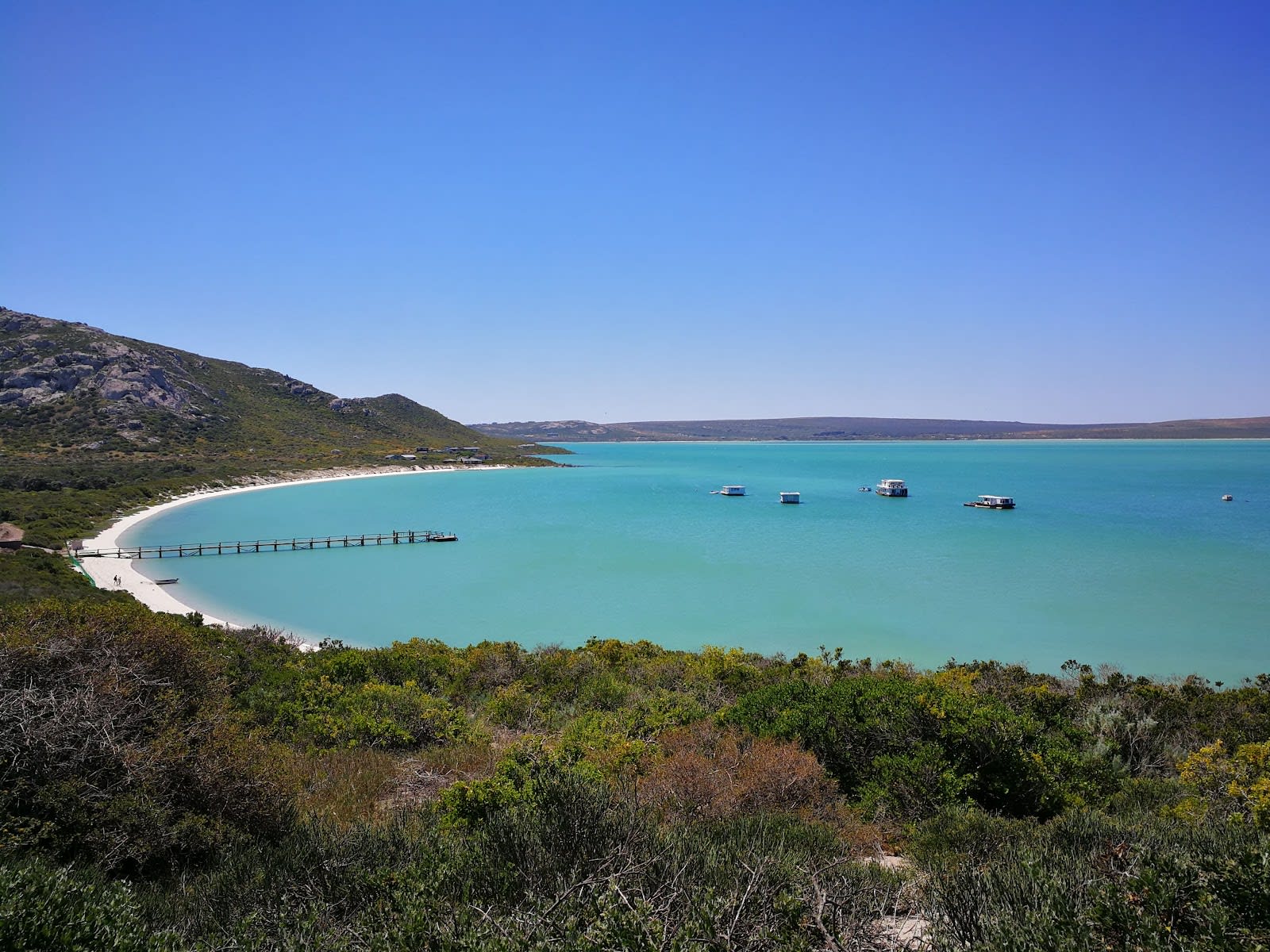
West Coast National Park
Western Cape · Best Sep to Apr
1 Ort

The Atlantic petrel (Pterodroma incerta) is a gadfly petrel endemic to the South Atlantic Ocean.
In ganz Südafrika
West Coast National Park
Atlantic Petrel hier erfasst

Benguela Cove, Hermanus

Für Vogelbeobachter

Bergville


Kruger National Park

Für Vogelbeobachter

Riebeek Valley, Riebeek West
Für Vogelbeobachter
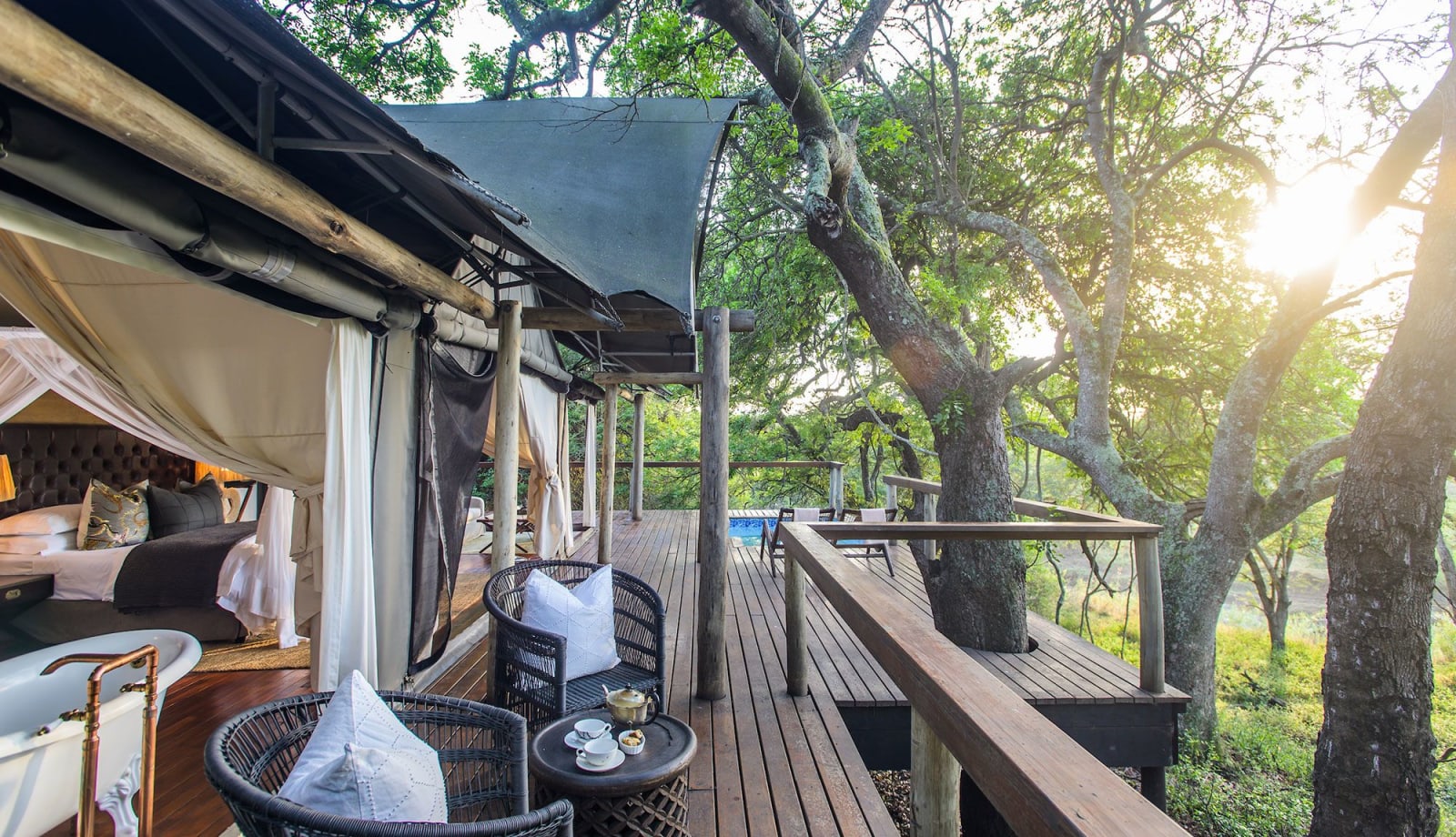
Hazyview


Klapmuts, Simondium

Gardens, Cape Town

Bakoven, Cape Town

Timbavati Private Nature Reserve

Kruger National Park
Für Vogelbeobachter

Kruger National Park
Für Vogelbeobachter

Hluhluwe-Imfolozi Park


Kruger National Park
Für Vogelbeobachter

Madikwe

iSimangaliso Wetland Park

Swellendam


Hoedspruit


Franschhoek

Wittedrift, Plettenberg Bay


Stanford

Stanford
Für Vogelbeobachter
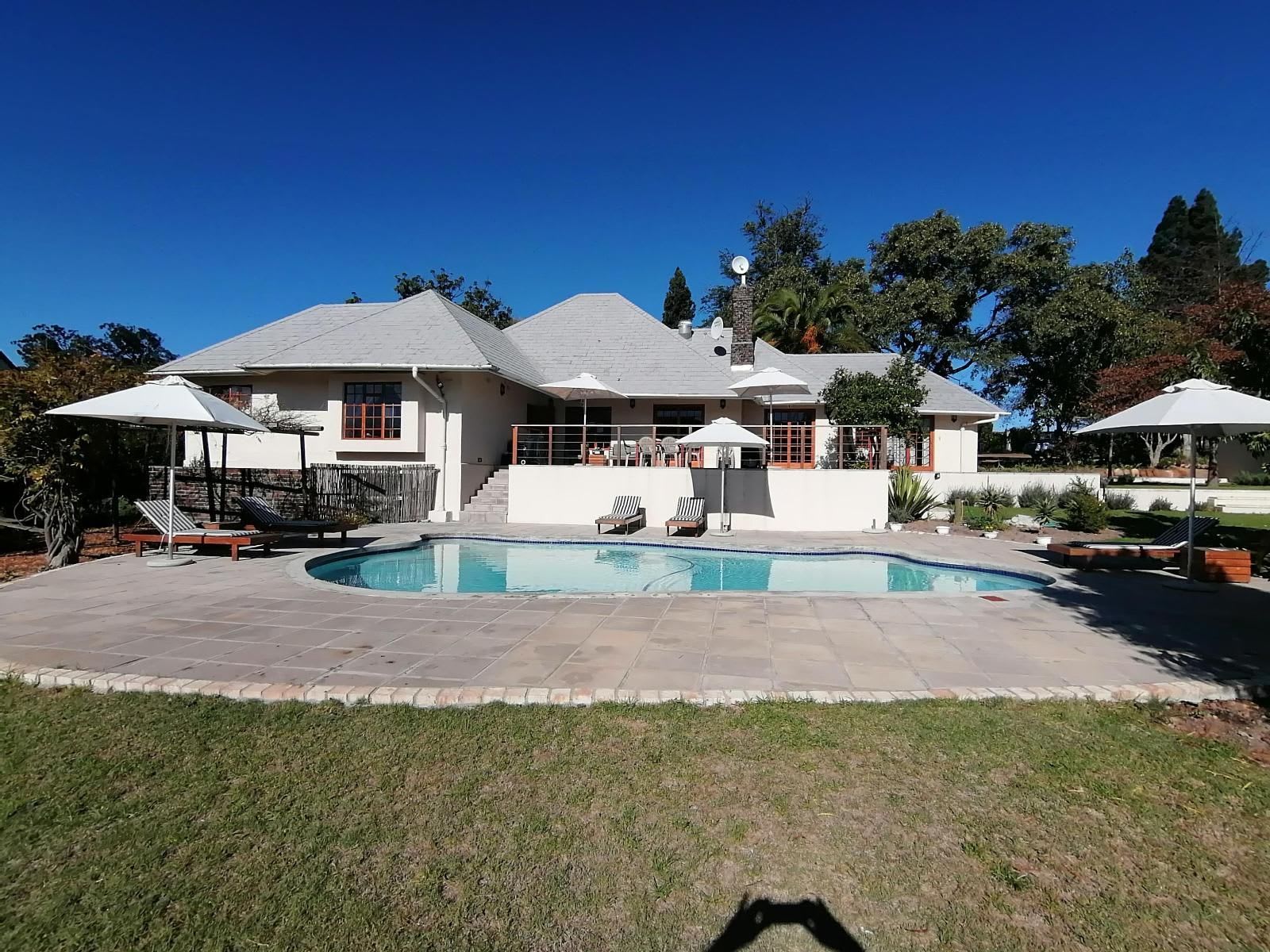
Stellenbosch


The Crags, Plettenberg Bay

Nächster Halt
Sandstone amphitheatres and cool mountain air
Orte ansehen, die etwas zurückgebenEine Reise planen
Gastgeber haben die Art Atlantic Petrel in oder bei West Coast National Park erfasst.
Selbst fahren
Eigenes Fahrzeug, eigenes Tempo, auf den Straßen des Parks.
Wo Gastgeber die Art erfassen
Rote Liste der IUCN
Endangered
Art
Pterodroma incerta
Jede Buchung auf Spekboom unterstützt den Naturschutz.
Ein Nachweis bedeutet, dass ein Gastgeber die Art Atlantic Petrel auf dem Grundstück oder in der Nähe gesehen hat. Eine Sichtung ist nie garantiert.
Hosts on Spekboom have recorded the Atlantic Petrel at stays in or beside West Coast National Park. A record means a host has seen it on the property or nearby, which makes these the places to base yourself; it is never a guarantee of a sighting on any given day.
The Atlantic Petrel (Pterodroma incerta) is listed as Endangered on the IUCN Red List.
The Atlantic petrel (Pterodroma incerta) is a gadfly petrel endemic to the South Atlantic Ocean. It breeds in enormous colonies on Tristan da Cunha and Gough Island, and ranges at sea from Brazil to Namibia, with most records at sea being to the west of the breeding islands, and along the subtropical convergence.