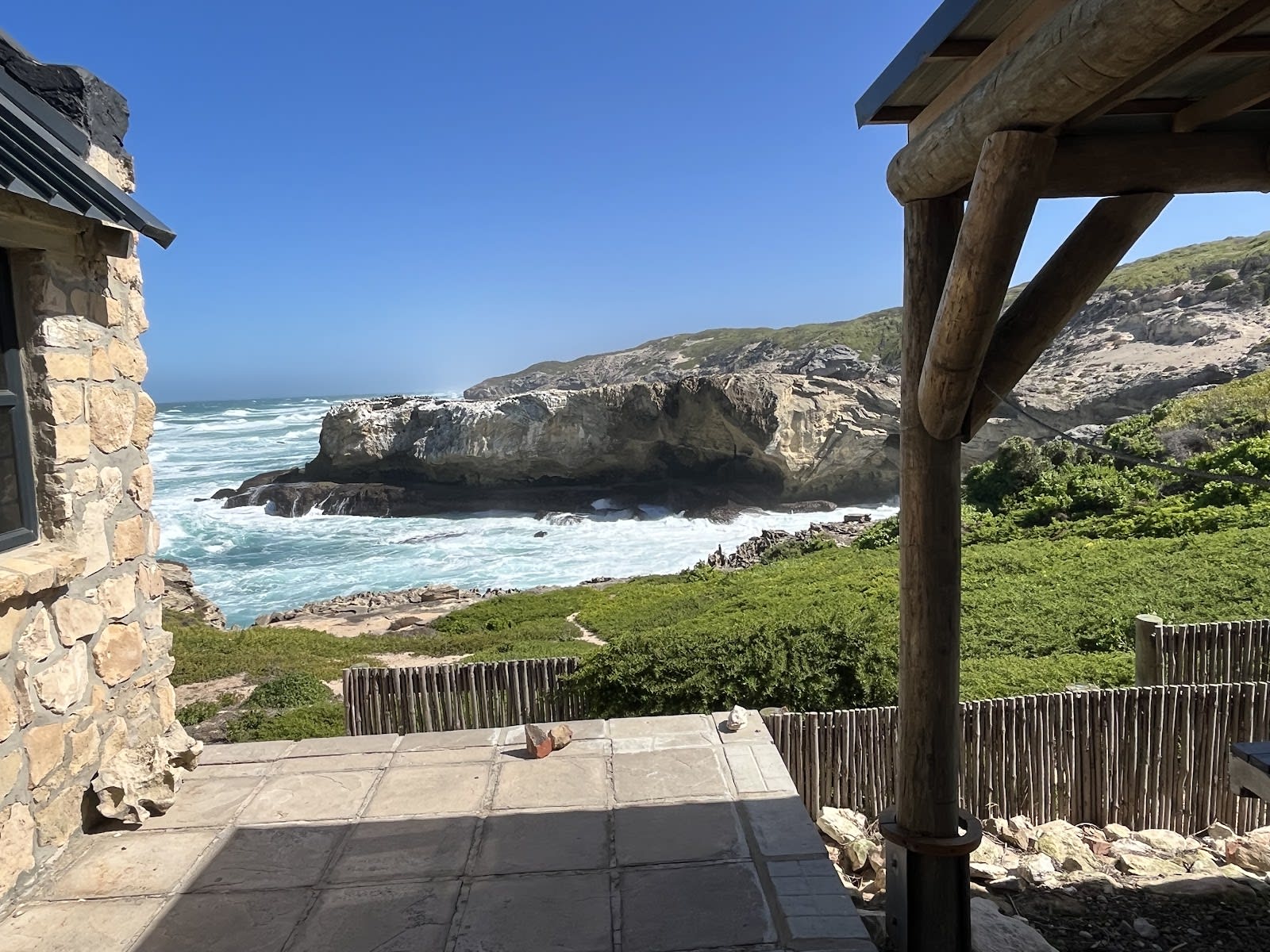
Ai-Ais/Richtersveld Transfrontier Park
Northern Cape
3 plekke

The Eurasian oystercatcher (Haematopus ostralegus) also known as the common pied oystercatcher, or palaearctic oystercatcher, or (in Europe) just oystercatcher, is a wader in the oystercatcher bird family Haematopodidae.
Most records Dec to Jan
When Eurasian Oystercatcher sightings peak, from open records. Outside these months it is seen less often, not never.
Curve from 91 national iNaturalist observations, not from one property. Single-month spikes are discarded as upload artefacts, and below 50 records we show no curve at all.
Western Cape and beyond
Provinces where Eurasian Oystercatcher is most recorded. Tap one to find places to stay.
91 records, iNaturalist
Regoor die Noord-Kaap

Ai-Ais/Richtersveld Transfrontier Park
Eurasian Oystercatcher hier aangeteken

Ai-Ais/Richtersveld Transfrontier Park
Eurasian Oystercatcher hier aangeteken
Ai-Ais/Richtersveld Transfrontier Park
Eurasian Oystercatcher hier aangeteken

Richmond


Colesberg

Sutherland


Northern Cape

Kgalagadi Transfrontier Park

Kgalagadi Transfrontier Park

Kgalagadi Transfrontier Park

Kgalagadi Transfrontier Park

Mokala National Park
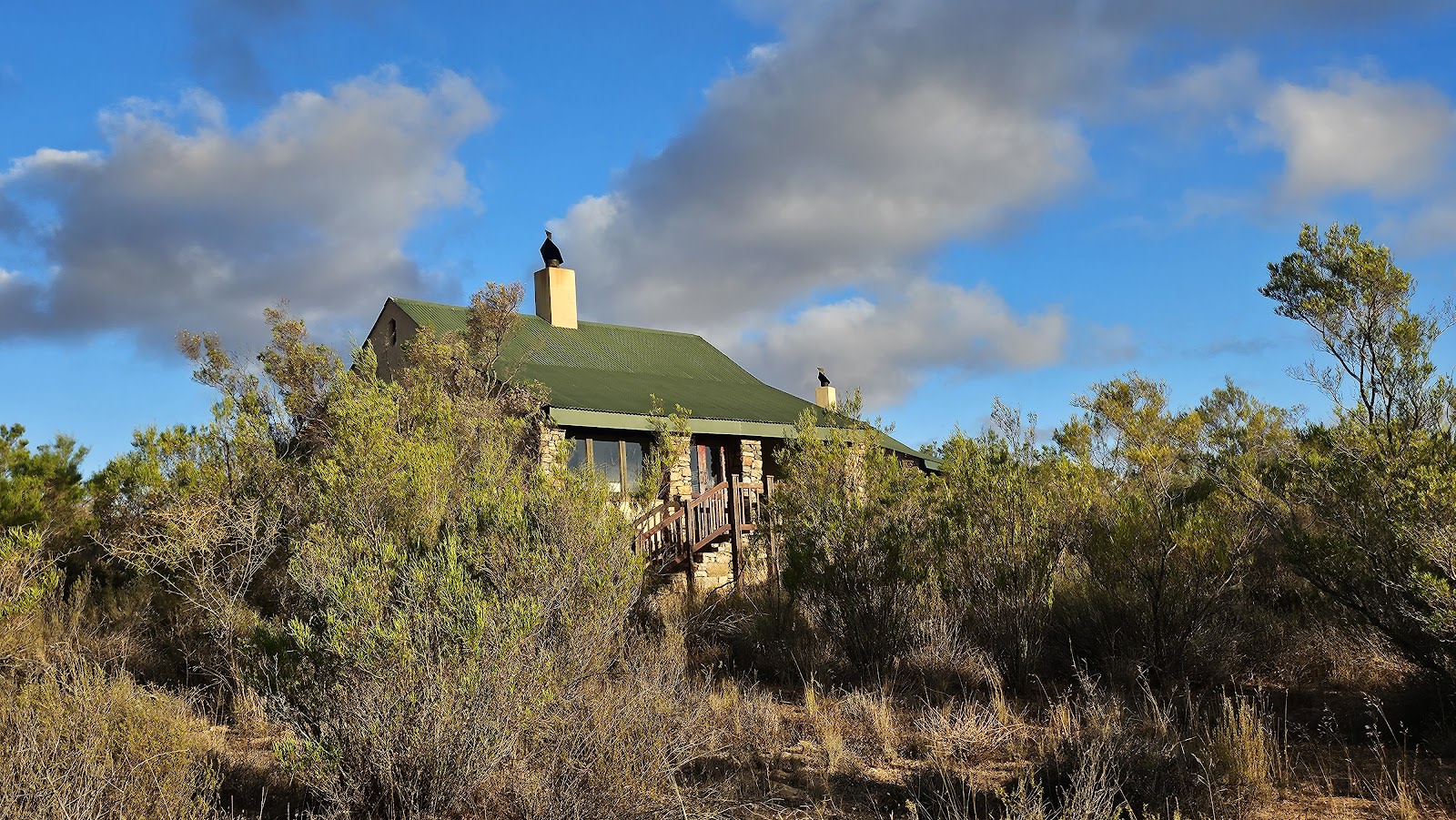
Namaqua National Park

Mokala National Park

Kgalagadi Transfrontier Park

Tankwa Karoo National Park
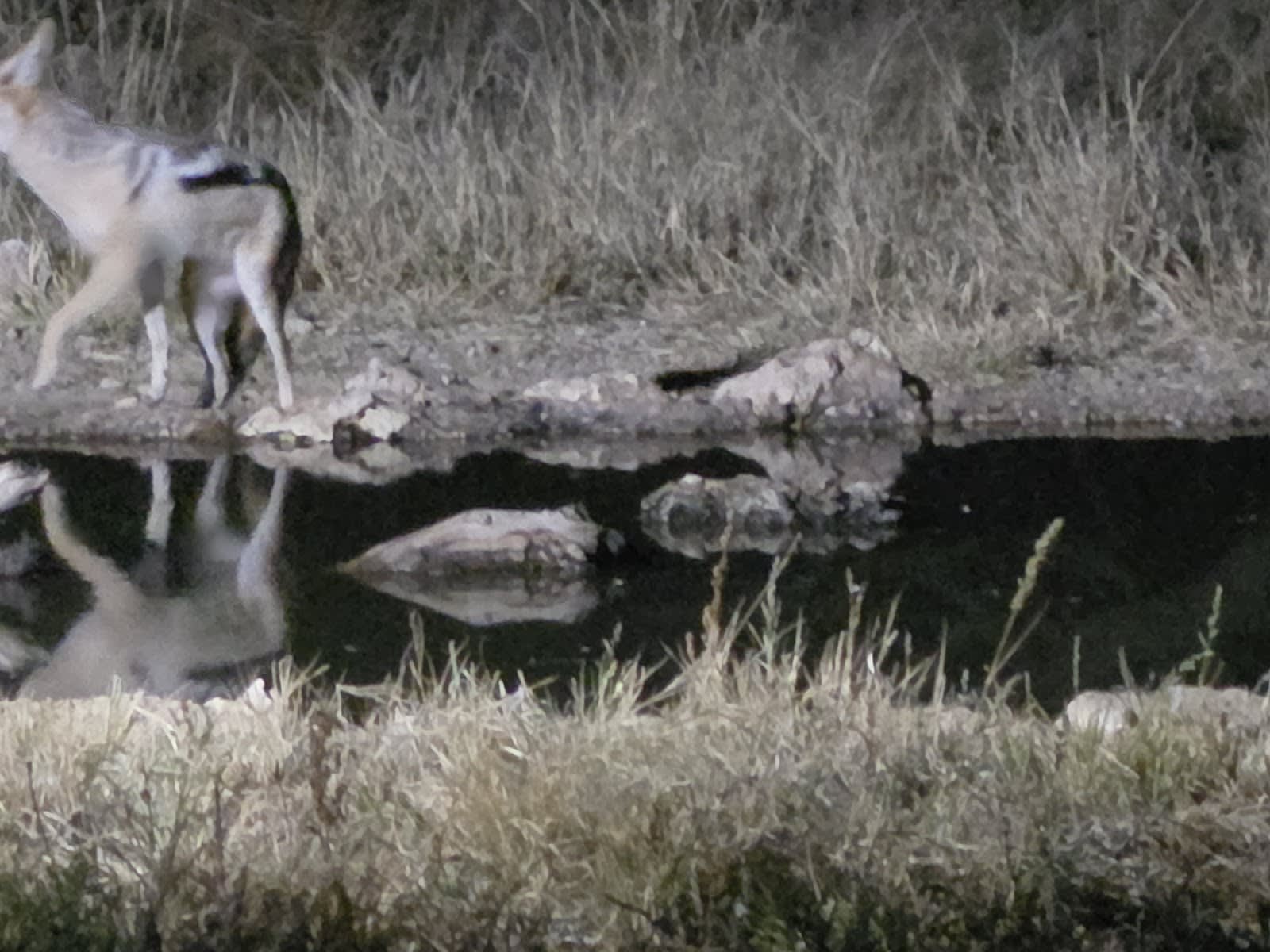
Kgalagadi Transfrontier Park
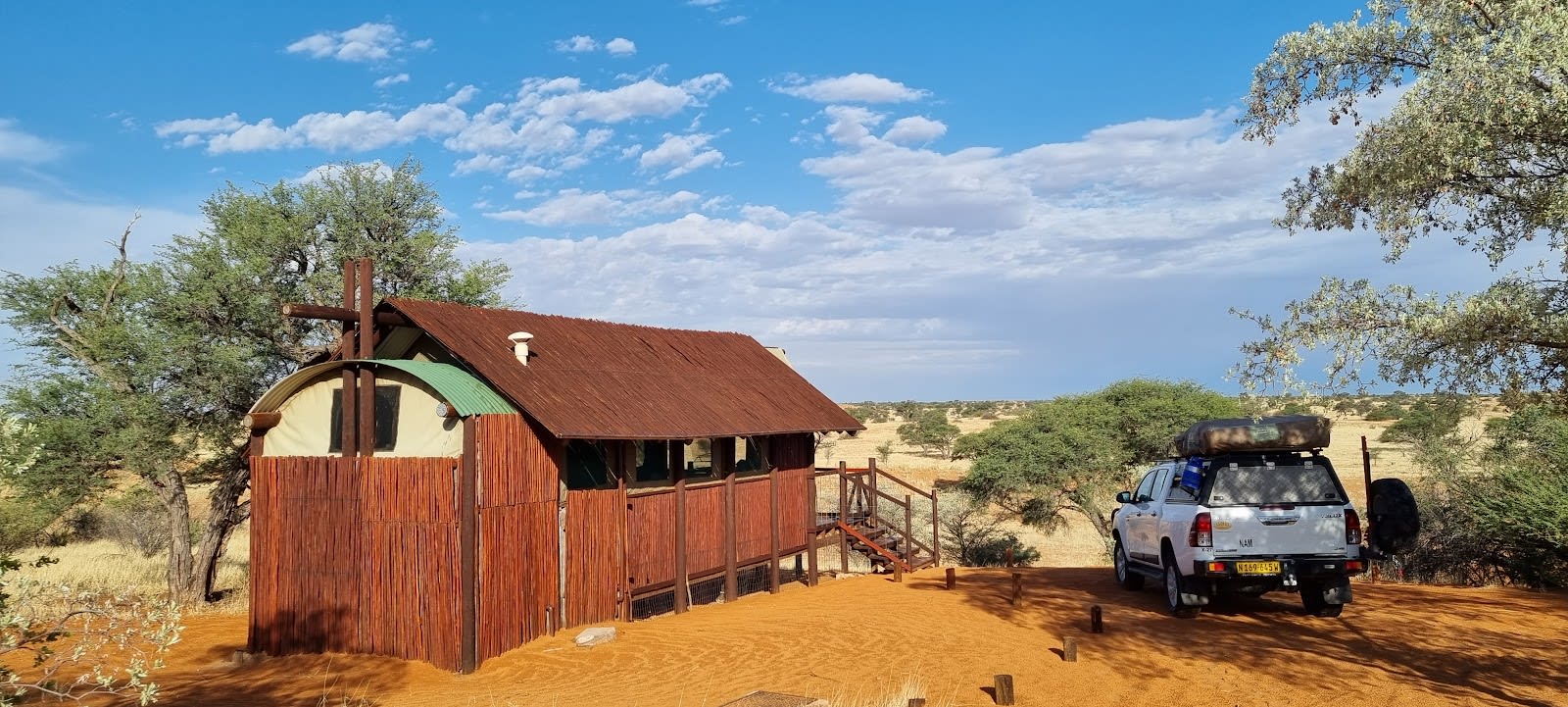
Kgalagadi Transfrontier Park

Augrabies Falls National Park

Mokala National Park
Kgalagadi Transfrontier Park

Tankwa Karoo National Park

Kgalagadi Transfrontier Park

Concordia, Springbok
Volgende stop
South Africa's vast inland heart: silence, stars, and wide horizons
Sien plekke wat teruggeeBeplan ’n reis
Gashere het die Eurasian Oystercatcher gesien by verblyfplekke in of langs Ai-Ais/Richtersveld Transfrontier Park.
Ry self
Jou eie voertuig en pas, op die park se paaie.
Waar gashere dit aanteken
IUBN Rooi Lys
Near Threatened
Spesie
Haematopus ostralegus
Waarnemings
91
iNaturalist-waarnemings
Elke bespreking op Spekboom ondersteun bewaring.
’n Waarneming beteken dat ’n gasheer die Eurasian Oystercatcher op die eiendom of naby gesien het. Dit waarborg nooit dat jy dit sal sien nie.
Hosts on Spekboom have recorded the Eurasian Oystercatcher at stays in or beside Ai-Ais/Richtersveld Transfrontier Park. A record means a host has seen it on the property or nearby, which makes these the places to base yourself; it is never a guarantee of a sighting on any given day.
The Eurasian Oystercatcher is most recorded in Western Cape (67% of records), KwaZulu-Natal (30% of records), based on 91 iNaturalist observations. 3 places to stay on Spekboom in Northern Cape have recorded the Eurasian Oystercatcher on site or nearby.
Sightings of the Eurasian Oystercatcher peak from Dec to Jan, based on 91 iNaturalist records. You may still see it outside those months, sightings are just less frequent.
The Eurasian Oystercatcher (Haematopus ostralegus) is listed as Near Threatened on the IUCN Red List.
The Eurasian oystercatcher (Haematopus ostralegus) also known as the common pied oystercatcher, or palaearctic oystercatcher, or (in Europe) just oystercatcher, is a wader in the oystercatcher bird family Haematopodidae. It is the most widespread of the oystercatchers, with three races breeding in western Europe, central Eurasia, Kamchatka, China, and the western coast of Korea.