
Kruger National Park
Limpopo · Best Apr to Sep
3 plekke

The striped kingfisher (Halcyon chelicuti) is a species of bird in the tree kingfisher subfamily.
Recorded year-round
Recorded in every month, so no month is the wrong month to look. We would rather say that than invent a best time.
Curve from 586 national iNaturalist observations, not from one property and not from this province. Single-month spikes are discarded as upload artefacts, and below 50 records we show no curve at all.
KwaZulu-Natal and beyond
Provinces where Striped Kingfisher is most recorded. Tap one to find places to stay.
586 records, iNaturalist
Regoor Limpopo

Rust de Winter · Prys op aanvraag

Word gereeld gesien · Voëlkykervriendelik

Haenertsburg · Vanaf R 1,500 per nag
Voëlkykervriendelik

Kruger National Park · Vanaf R 17,120 per nag
Voëlkykervriendelik

Magoebaskloof · Vanaf R 1,512 per nag
Voëlkykervriendelik

Kruger National Park · Vanaf R 11,820 per nag
Voëlkykervriendelik

Kruger National Park · Vanaf R 8,380 per nag
Voëlkykervriendelik

Timbavati Private Nature Reserve · Prys op aanvraag

Kruger National Park · Vanaf R 11,820 per nag
Voëlkykervriendelik

Hoedspruit · Vanaf R 1,100 per nag


Welgevonden Game Reserve · Prys op aanvraag

Magoebaskloof · Vanaf R 2,000 per nag
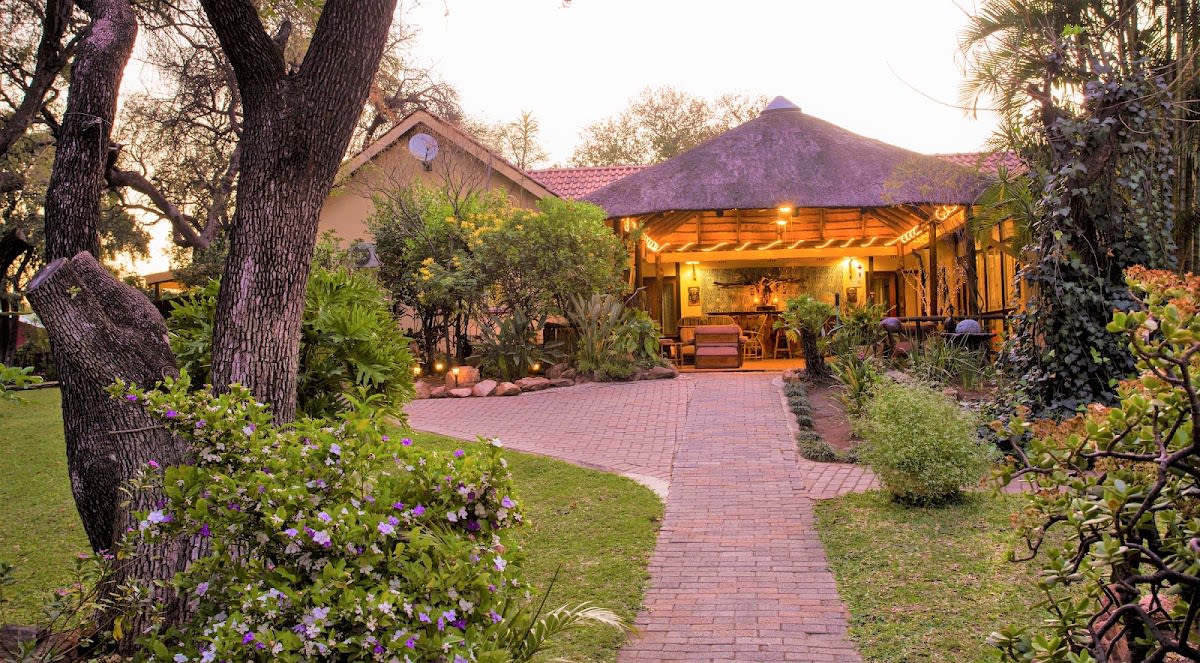
Phalaborwa · Vanaf R 1,500 per nag
Voëlkykervriendelik

Marakele National Park · Prys op aanvraag

Hoedspruit · Vanaf R 4,000 per nag
Voëlkykervriendelik

Louis Trichardt · Vanaf R 650 per nag
Voëlkykervriendelik

Marakele National Park · Prys op aanvraag

Hoedspruit · Vanaf R 6,400 per nag

Hoedspruit · Vanaf R 3,278 per nag

Thornybush Game Reserve · Prys op aanvraag

Kruger National Park · Vanaf R 379 per nag

Kruger National Park · Vanaf R 331 per nag

Thornybush Game Reserve · Prys op aanvraag

Kruger National Park · Vanaf R 1,445 per nag

Kruger National Park · Vanaf R 390 per nag

Volgende stop
iSimangaliso wetlands, sand forest, and Sodwana reefs
Sien plekke wat teruggeeBeplan ’n reis
Spesie
Halcyon chelicuti
Waarnemings
586
iNaturalist-waarnemings
Elke bespreking op Spekboom ondersteun bewaring.
’n Waarneming beteken dat ’n gasheer die Striped Kingfisher op die eiendom of naby gesien het. Dit waarborg nooit dat jy dit sal sien nie.
The Striped Kingfisher is most recorded in KwaZulu-Natal (52% of records), Mpumalanga (19% of records), Limpopo (16% of records), based on 586 iNaturalist observations. 1 place to stay on Spekboom in Limpopo has recorded the Striped Kingfisher on site or nearby.
The Striped Kingfisher is recorded throughout the year, so no month is the wrong month to look for it.
The striped kingfisher (Halcyon chelicuti) is a species of bird in the tree kingfisher subfamily. It was first described by Edward, Lord Stanley, in Salt's Voyage to Abyssinia in 1814 as "Chelicut kingfisher" Alaudo Chelicuti.
