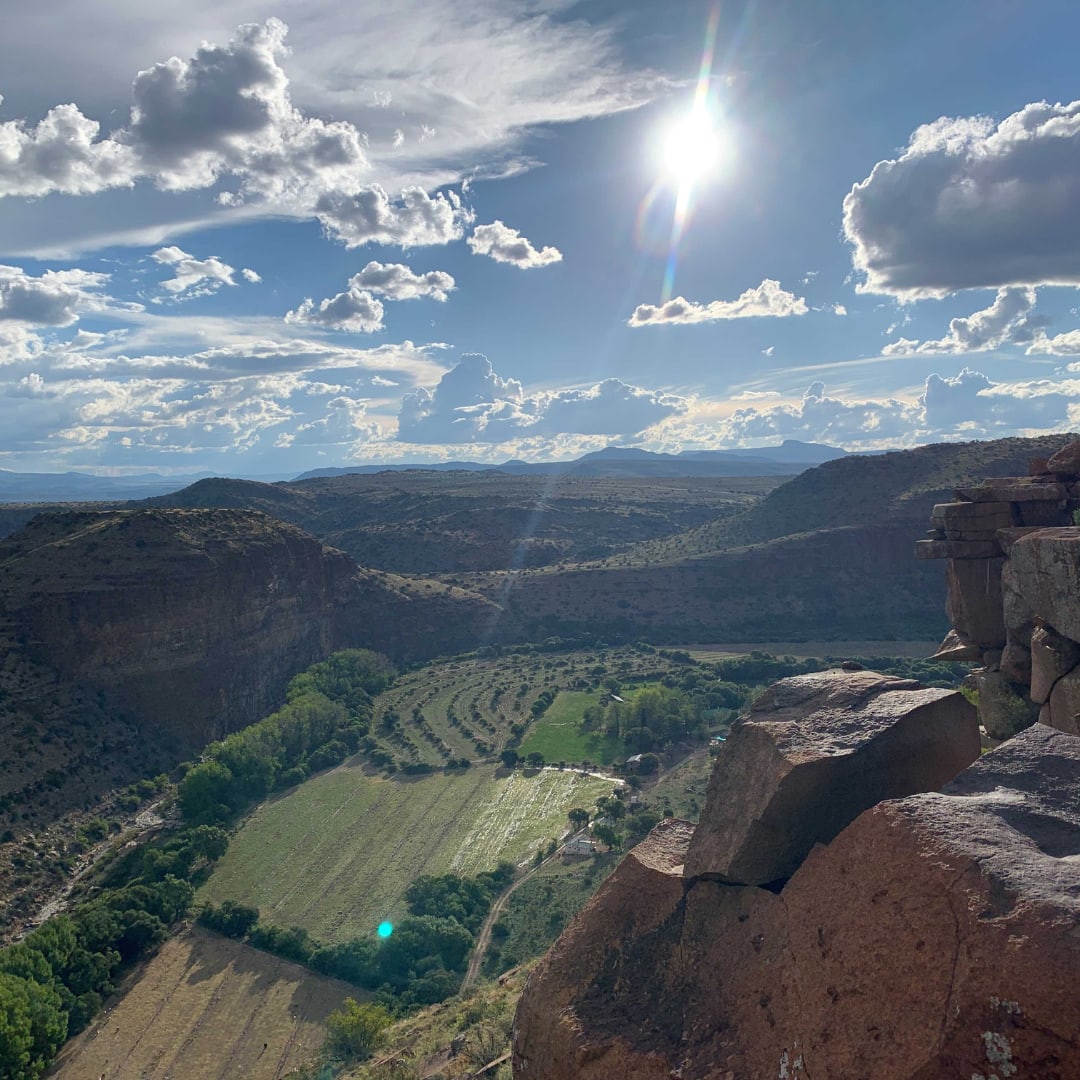
Aasvogelkrans Farm Cottages & Camping
Nieu Bethesda
Vanaf R 1,760per nag

Word gereeld gesien · Voëlkykervriendelik

The blue korhaan or blue bustard (Eupodotis caerulescens) is a species of bird in the Otididae family, found in Lesotho and South Africa.
Recorded year-round
Recorded in every month, so no month is the wrong month to look. We would rather say that than invent a best time.
Curve from 200 national iNaturalist observations, not from one property. Single-month spikes are discarded as upload artefacts, and below 50 records we show no curve at all.
Eastern Cape and beyond
Provinces where Blue Korhaan is most recorded. Tap one to find places to stay.
200 records, iNaturalist
Regoor Suid-Afrika
Nieu Bethesda
Word gereeld gesien · Voëlkykervriendelik

Wakkerstroom
Word gereeld gesien · Voëlkykervriendelik

Wakkerstroom
Word gereeld gesien · Voëlkykervriendelik

Aberdeen
Word gereeld gesien · Voëlkykervriendelik

Bronkhorstspruit

Word gereeld gesien · Voëlkykervriendelik

Benguela Cove, Hermanus

Voëlkykervriendelik

Oudtshoorn


Kruger National Park
Voëlkykervriendelik

Riebeek Valley, Riebeek West
Voëlkykervriendelik

Hazyview


Klapmuts, Simondium

Franschhoek


Gardens, Cape Town

Timbavati Private Nature Reserve

Bakoven, Cape Town

Kruger National Park
Voëlkykervriendelik

Hluhluwe-Imfolozi Park


Kruger National Park
Voëlkykervriendelik

Kruger National Park
Voëlkykervriendelik

iSimangaliso Wetland Park

Madikwe


Swellendam


Franschhoek

Bergville


Volgende stop
Sandstone amphitheatres and cool mountain air
Sien plekke wat teruggeeIUBN Rooi Lys
Near Threatened
Spesie
Eupodotis caerulescens
Waarnemings
200
iNaturalist-waarnemings
Elke bespreking op Spekboom ondersteun bewaring.
’n Waarneming beteken dat ’n gasheer die Blue Korhaan op die eiendom of naby gesien het. Dit waarborg nooit dat jy dit sal sien nie.
The Blue Korhaan is most recorded in Eastern Cape (29% of records), Northern Cape (24% of records), Mpumalanga (23% of records), based on 200 iNaturalist observations. 5 places to stay on Spekboom in South Africa have recorded the Blue Korhaan on site or nearby.
The Blue Korhaan is recorded throughout the year, so no month is the wrong month to look for it.
The Blue Korhaan (Eupodotis caerulescens) is listed as Near Threatened on the IUCN Red List.
The blue korhaan or blue bustard (Eupodotis caerulescens) is a species of bird in the Otididae family, found in Lesotho and South Africa. Its call is a series of frog-like croaks, usually uttered in flight. Its natural habitat is plateau grassland, dry shrubland, arable land and pastureland. It is threatened by habitat loss.