Where to see
Where to see the Eurasian Marsh Harrier in South Africa
Hosts have recorded the Eurasian Marsh Harrier at stays in or beside Kruger National Park and Mapungubwe National Park.
Circus aeruginosus · Least Concern
Planning a trip
When and where to find the Eurasian Marsh Harrier
Hosts have recorded the Eurasian Marsh Harrier at stays in or beside Kruger National Park and Mapungubwe National Park.
Best hours of the day
- Late morning to mid-afternoon. Raptors soar once the sun raises thermals.
- Early morning. Often perched while the air warms.
Ways to look
Drive yourself
Your own vehicle and pace, on the park's roads.
Where hosts record it
IUCN Red List
Least Concern
Species
Circus aeruginosus
Records
6
iNaturalist observations
Every booking on Spekboom supports conservation.
Questions travellers ask
A record means a host has seen the Eurasian Marsh Harrier on the property or nearby. It is never a guarantee of a sighting.
Which parks and reserves are best for the Eurasian Marsh Harrier in South Africa?
Hosts on Spekboom have recorded the Eurasian Marsh Harrier at stays in or beside Kruger National Park and Mapungubwe National Park. A record means a host has seen it on the property or nearby, which makes these the places to base yourself; it is never a guarantee of a sighting on any given day.
Where can you see the Eurasian Marsh Harrier in South Africa?
The Eurasian Marsh Harrier is most recorded in Western Cape (33% of records), Gauteng (33% of records), Eastern Cape (17% of records), based on 6 iNaturalist observations. 44 places to stay on Spekboom in South Africa have recorded the Eurasian Marsh Harrier on site or nearby.
What is the conservation status of the Eurasian Marsh Harrier?
The Eurasian Marsh Harrier (Circus aeruginosus) is listed as Least Concern on the IUCN Red List.
What is the Eurasian Marsh Harrier?
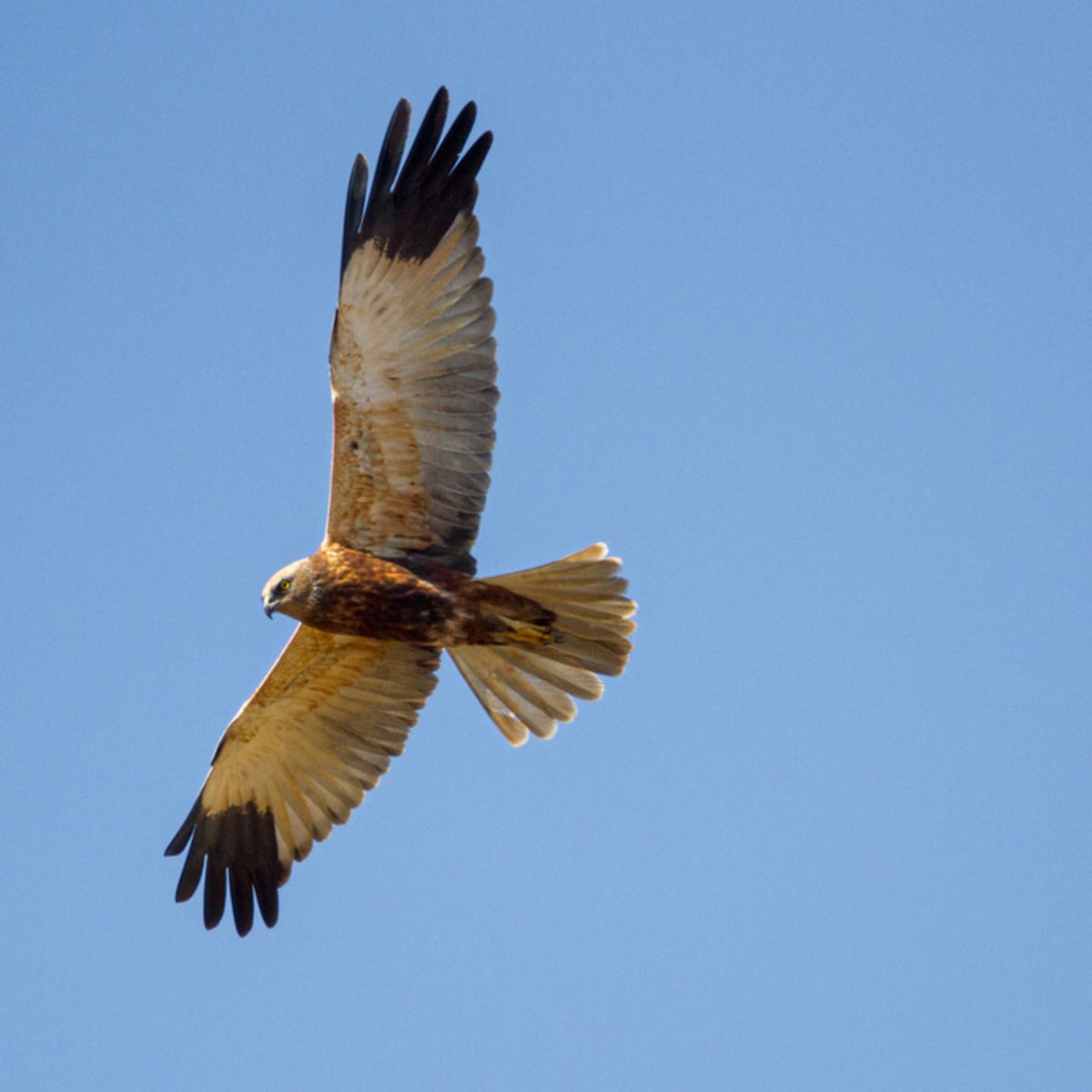
The western marsh harrier (Circus aeruginosus) is a large harrier, a bird of prey from temperate and subtropical western Eurasia and adjacent Africa. It is also known as the Eurasian marsh harrier. The genus name Circus is derived from the Ancient Greek kirkos, referring to a bird of prey named for its circling flight (kirkos, "circle"), probably the hen harrier.
Stays that give back
Where to stay for a chance to see the Eurasian Marsh Harrier
Every stay on the Eurasian Marsh Harrier page lists the species its host has recorded on or near the property. A record is a sighting, never a promise.
See where to stay