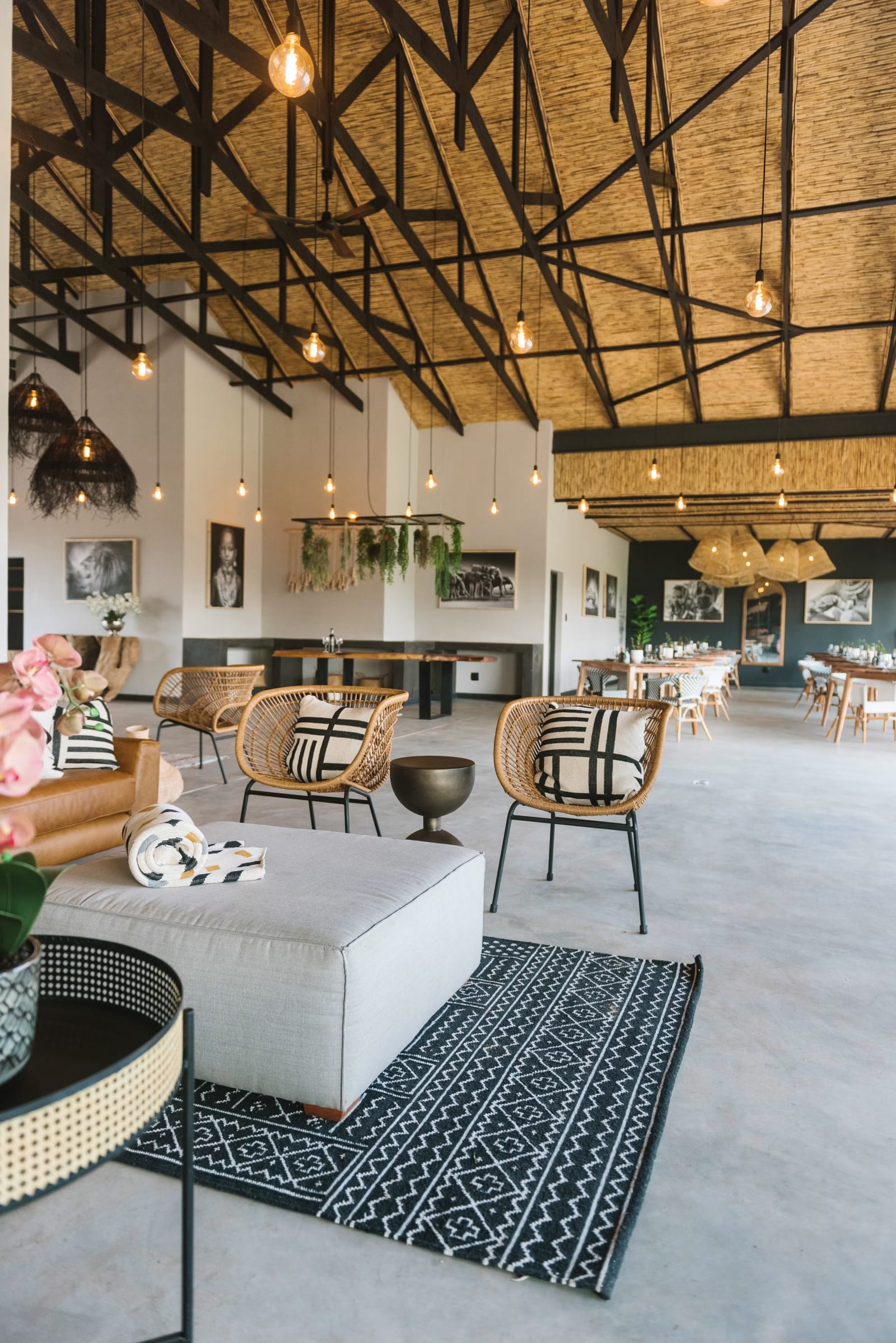
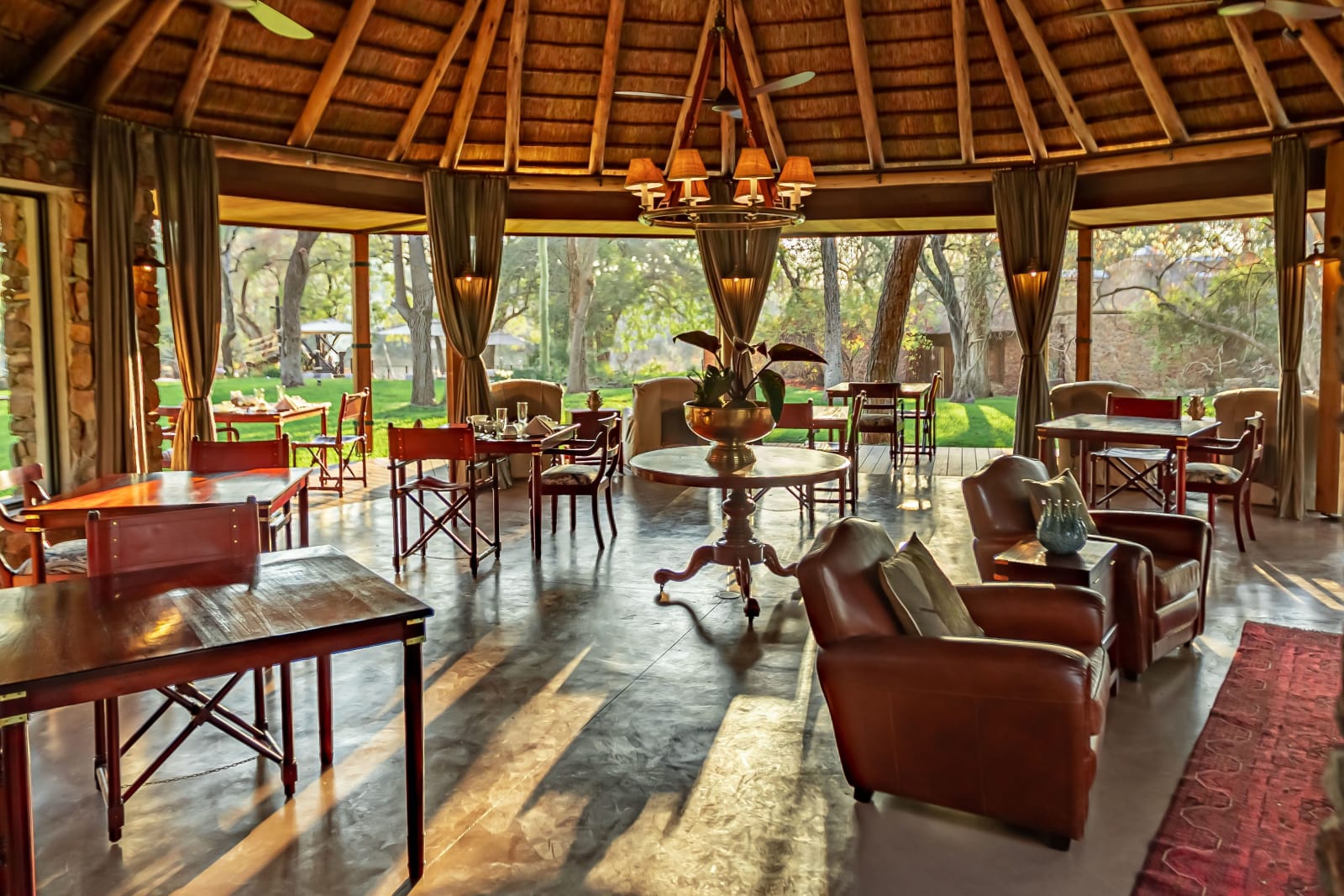
Foto: (c) dhfischer, some rights reserved (CC BY), uploaded by dhfischer
Verblijven die iets teruggeven
Waar te verblijven voor een kans om de African Elephant te zien
Elk verblijf op de pagina over de African Elephant vermeldt de soorten die de verhuurder op of bij het terrein heeft vastgelegd. Een vastlegging is een waarneming, nooit een belofte.
Donkerder maanden zijn het beste seizoen van elk park, wanneer dunne begroeiing of schaars water het kijken makkelijker maakt. Een waarneming is nooit gegarandeerd.
Beste uren van de dag
DageraadRond het middaguurNacht
Vroege ochtend en late middag.Deze soort is overdag actief en het best te zien voor de hitte.
Een waarneming betekent dat een verhuurder de African Elephant op of bij het terrein heeft gezien. Het is nooit een garantie dat u de soort ziet.
Which parks and reserves are best for the African Elephant in South Africa?+
Hosts on Spekboom have recorded the African Elephant at stays in or beside Kruger National Park, Phinda Private Game Reserve, Sabi Sand Game Reserve, Gondwana Game Reserve, Kwandwe Private Game Reserve and Hluhluwe-Imfolozi Park and other reserves. A record means a host has seen it on the property or nearby, which makes these the places to base yourself; it is never a guarantee of a sighting on any given day.
Where can you see the African Elephant in South Africa?+
The African Elephant is most recorded in Mpumalanga (39% of records), Limpopo (23% of records), Eastern Cape (16% of records), based on 10 842 iNaturalist observations. 73 places to stay on Spekboom in South Africa have recorded the African Elephant on site or nearby.
When is the best time to see the African Elephant?+
The African Elephant is recorded throughout the year, so no month is the wrong month to look for it. For the parks where hosts record it most, these are the best seasons they give. Kruger National Park: Apr-Sep; Phinda Private Game Reserve: year-round, dry season May-Sep; Sabi Sand Game Reserve: year-round, dry season May-Sep optimal; Gondwana Game Reserve: Sep-Apr, flowers Aug-Oct. In the dry months animals concentrate at water and the grass is short.
What is the conservation status of the African Elephant?+
The African Elephant (Loxodonta africana) is listed as Endangered on the IUCN Red List.
What is the African Elephant?+
The African bush elephant (Loxodonta africana), also known as the African savanna elephant, is the larger of the two species of African elephants. These elephants were previously regarded as the same species, but the African forest elephant has been reclassified as L. cyclotis.