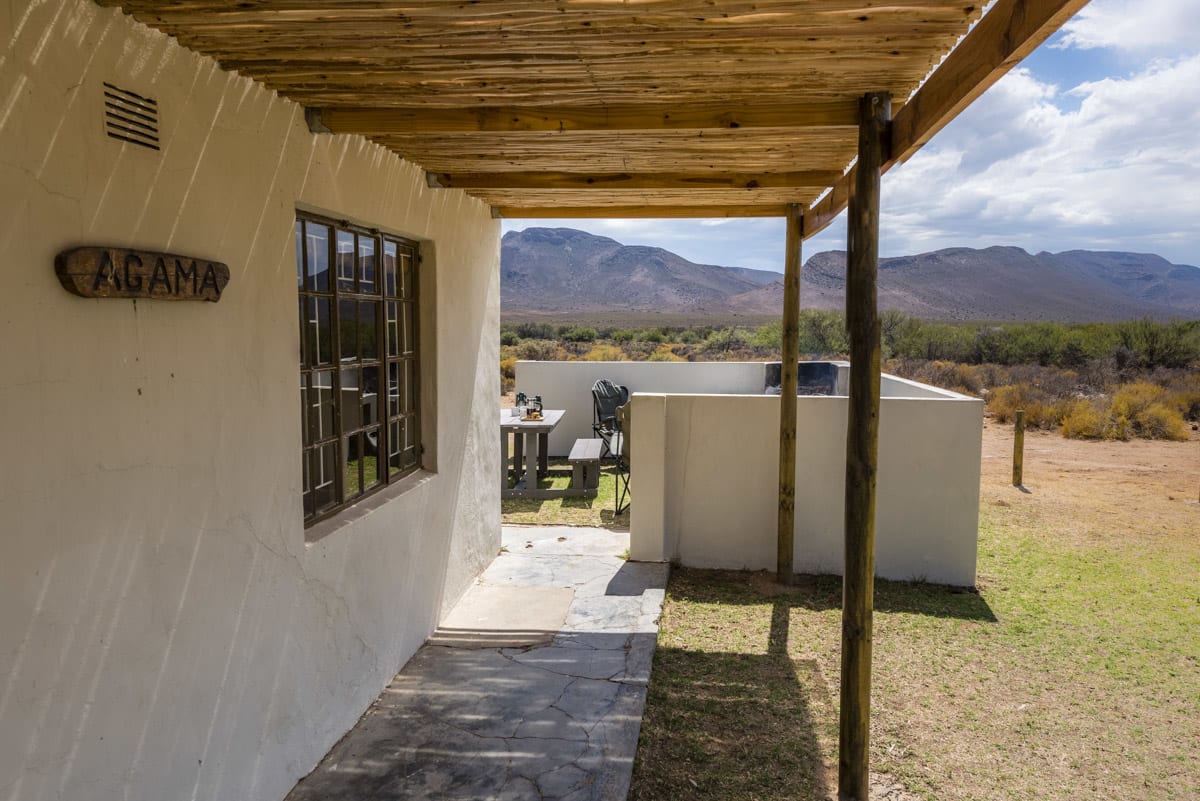
Western Cape
Anysberg · Gamkaberg · Rocherpan
In autonomiaSenza malaria
Strutture: Western CapeDove vederlo
Gli host hanno segnalato questa specie (Cape Penduline Tit) in strutture dentro o accanto a Anysberg Nature Reserve, Gamkaberg Nature Reserve and Kgalagadi Transfrontier Park.
Anthoscopus minutus

Pianificare un viaggio
Gli host hanno segnalato questa specie (Cape Penduline Tit) in strutture dentro o accanto a Anysberg Nature Reserve, Gamkaberg Nature Reserve and Kgalagadi Transfrontier Park.
Anysberg · Gamkaberg · Rocherpan

Kgalagadi

Madikwe

Marakele
Guidare in autonomia
Il Suo veicolo e il Suo ritmo, sulle strade del parco.
Dove lo segnalano gli host
Specie
Anthoscopus minutus
Segnalazioni
248
Osservazioni su iNaturalist
Ogni prenotazione su Spekboom sostiene la conservazione.
Una segnalazione significa che un host ha visto questa specie (Cape Penduline Tit) nella struttura o nei dintorni. Non è mai una garanzia di avvistamento.
Hosts on Spekboom have recorded the Cape Penduline Tit at stays in or beside Anysberg Nature Reserve, Gamkaberg Nature Reserve, Kgalagadi Transfrontier Park, Rocherpan Nature Reserve, Vrolijkheid Nature Reserve and Madikwe Game Reserve and other reserves. A record means a host has seen it on the property or nearby, which makes these the places to base yourself; it is never a guarantee of a sighting on any given day.
The Cape Penduline Tit is most recorded in Western Cape (48% of records), Northern Cape (20% of records), Eastern Cape (9% of records), based on 248 iNaturalist observations. 37 places to stay on Spekboom in South Africa have recorded the Cape Penduline Tit on site or nearby.
The Cape Penduline Tit is recorded throughout the year, so no month is the wrong month to look for it. For the parks where hosts record it most, these are the best seasons they give. Anysberg Nature Reserve: Autumn and spring, Mar-May, Sep-Nov; Gamkaberg Nature Reserve: Autumn and spring, Mar-May, Sep-Nov; Kgalagadi Transfrontier Park: Aug-Oct, flowers, Mar-May; Rocherpan Nature Reserve: Winter and spring for birds and flowers, Jun-Oct. In the dry months animals concentrate at water and the grass is short.
The Cape penduline tit or southern penduline tit (Anthoscopus minutus) is a species of bird in the family Remizidae. It is found in Angola, Botswana, Namibia, South Africa, and Zimbabwe. Its natural habitats are dry savannah, subtropical or tropical dry shrubland, and Mediterranean-type shrubby vegetation.
Strutture che sostengono una causa
Ogni soggiorno nella pagina del Cape Penduline Tit elenca le specie che l’host ha registrato nella struttura o nelle vicinanze. Una registrazione è un avvistamento, mai una promessa.
Vedi dove soggiornare