Where to see
Where to see the Mopane in South Africa
Hosts have recorded the Mopane at stays in or beside Kruger National Park, Mapungubwe National Park and Timbavati Private Nature Reserve.
Colophospermum mopane
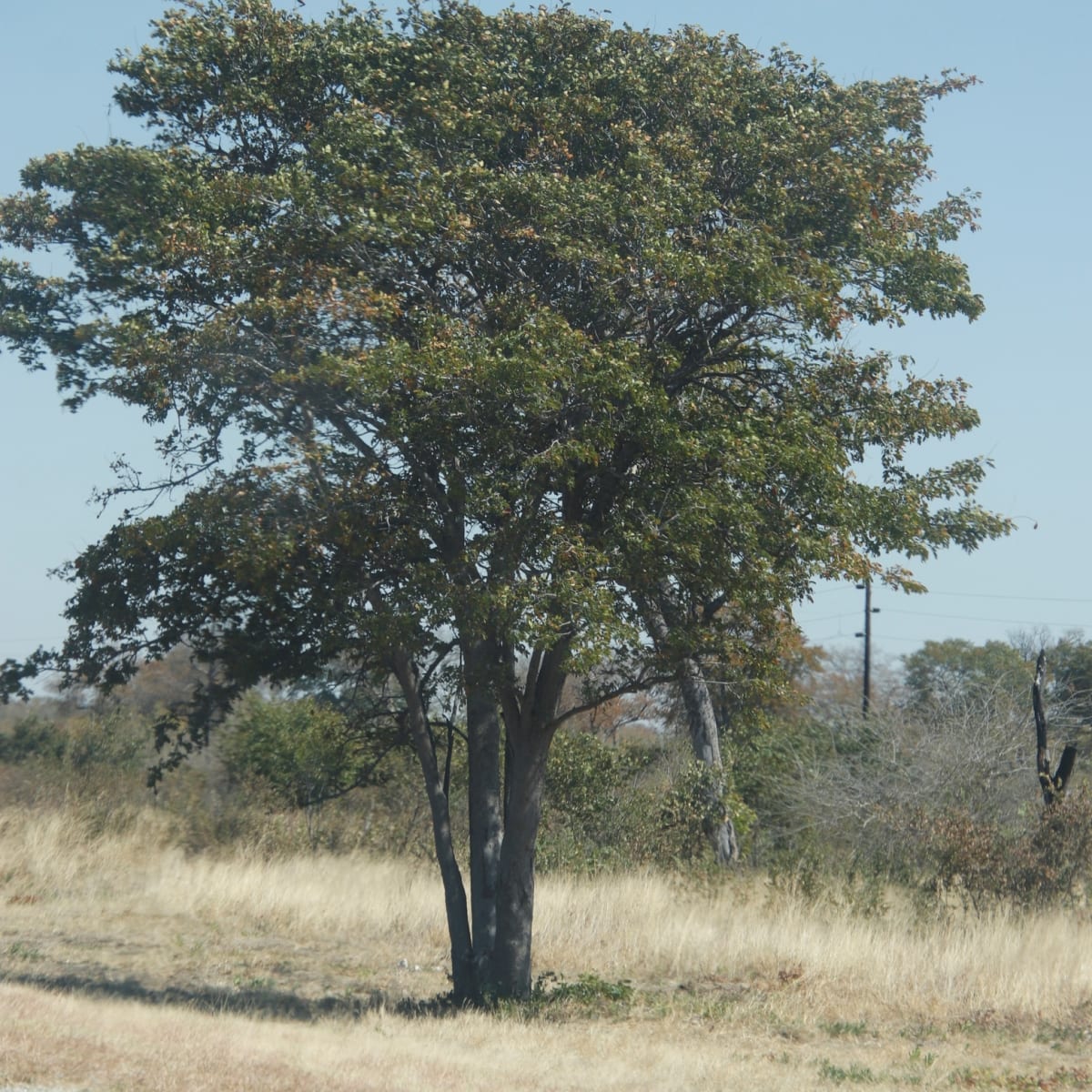
Planning a trip
When and where to find the Mopane
Hosts have recorded the Mopane at stays in or beside Kruger National Park, Mapungubwe National Park and Timbavati Private Nature Reserve.
Species
Colophospermum mopane
Records
561
iNaturalist observations
Every booking on Spekboom supports conservation.
Questions travellers ask
A record means a host has seen the Mopane on the property or nearby. It is never a guarantee of a sighting.
Which parks and reserves are best for the Mopane in South Africa?
Hosts on Spekboom have recorded the Mopane at stays in or beside Kruger National Park, Mapungubwe National Park, Timbavati Private Nature Reserve, Mokala National Park and Welgevonden Game Reserve. A record means a host has seen it on the property or nearby, which makes these the places to base yourself; it is never a guarantee of a sighting on any given day.
Where can you see the Mopane in South Africa?
The Mopane is most recorded in Limpopo (93% of records), Mpumalanga (7% of records), based on 561 iNaturalist observations. 18 places to stay on Spekboom in South Africa have recorded the Mopane on site or nearby.
When is the best time to see the Mopane?
The Mopane is recorded throughout the year, so no month is the wrong month to look for it. For the parks where hosts record it most, these are the best seasons they give. Kruger National Park: Apr-Sep; Mapungubwe National Park: May-Sep, dry season; Timbavati Private Nature Reserve: May-Sep, dry season; Mokala National Park: Aug-Oct, flowers, Mar-May. In the dry months animals concentrate at water and the grass is short.
What is the Mopane?
Colophospermum mopane, commonly called mopane, mophane, mopani, balsam tree, butterfly tree, or turpentine tree, is a tree in the legume family (Fabaceae), that grows in hot, dry, low-lying areas, 200 to 1,150 metres (660 to 3,770 ft) in elevation, in the far northern parts of southern Africa. The tree only occurs in Africa and is the only species in genus Colophospermum.
Stays that give back
Where to stay for a chance to see the Mopane
Every stay on the Mopane page lists the species its host has recorded on or near the property. A record is a sighting, never a promise.
See where to stay