Limpopo
Kruger · Mapungubwe
Self-drive
Stays in LimpopoWhere to see
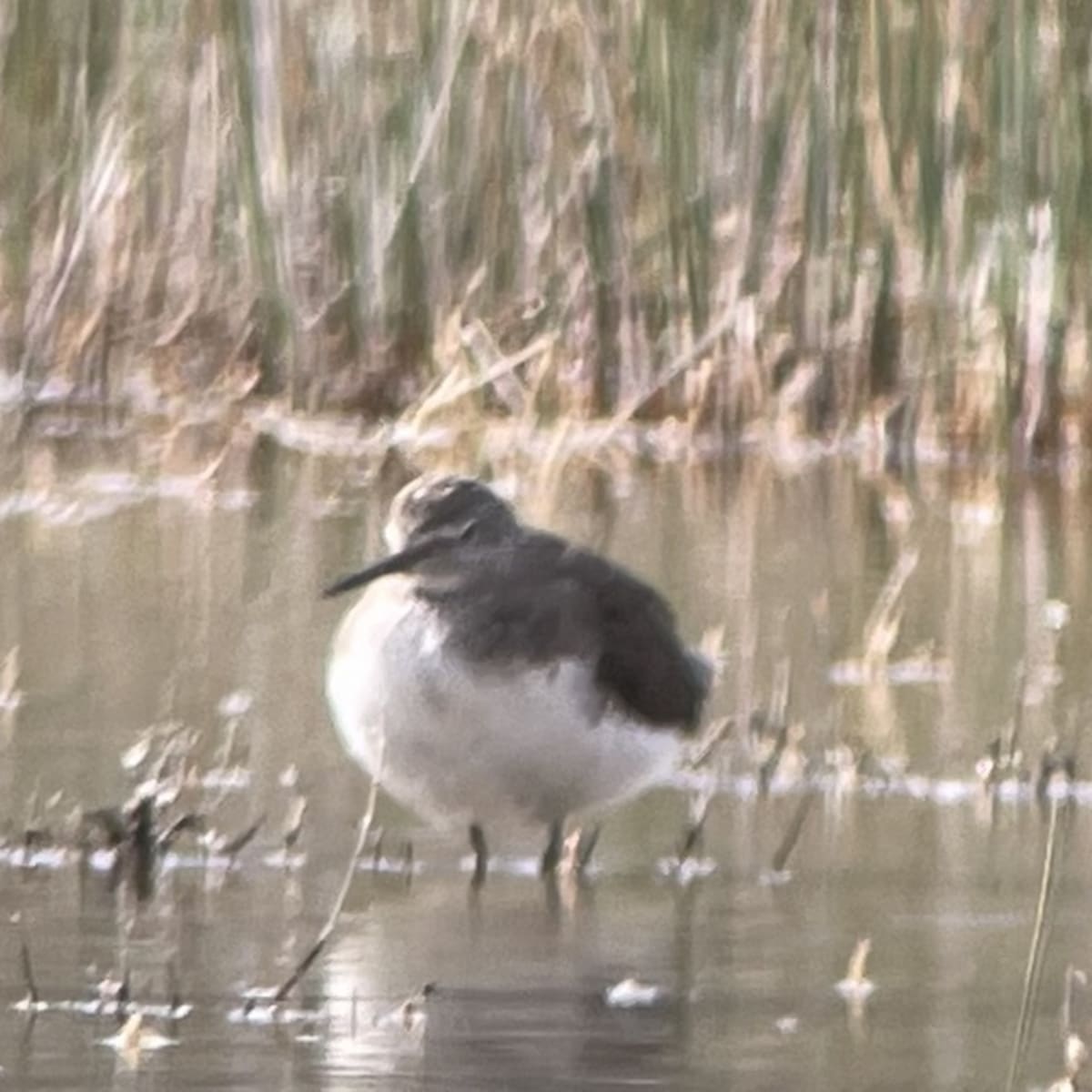
Hosts have recorded the Green Sandpiper at stays in or beside Kruger National Park, Mapungubwe National Park and Bontebok National Park.
Tringa ochropus · Least Concern
Planning a trip
Hosts have recorded the Green Sandpiper at stays in or beside Kruger National Park, Mapungubwe National Park and Bontebok National Park.
Kruger · Mapungubwe
Bontebok

iSimangaliso Wetland
Drive yourself
Your own vehicle and pace, on the park's roads.
Where hosts record it
IUCN Red List
Least Concern
Species
Tringa ochropus
Records
39
iNaturalist observations
Every booking on Spekboom supports conservation.
A record means a host has seen the Green Sandpiper on the property or nearby. It is never a guarantee of a sighting.
Hosts on Spekboom have recorded the Green Sandpiper at stays in or beside Kruger National Park, Mapungubwe National Park, Bontebok National Park and iSimangaliso Wetland Park. A record means a host has seen it on the property or nearby, which makes these the places to base yourself; it is never a guarantee of a sighting on any given day.
The Green Sandpiper is most recorded in Mpumalanga (33% of records), KwaZulu-Natal (21% of records), Gauteng (21% of records), based on 39 iNaturalist observations. 47 places to stay on Spekboom in South Africa have recorded the Green Sandpiper on site or nearby.
The Green Sandpiper (Tringa ochropus) is listed as Least Concern on the IUCN Red List.
The green sandpiper (Tringa ochropus) is a small wader (shorebird) of the Old World. The genus name Tringa is the New Latin name given to the green sandpiper by Aldrovandus in 1599 based on Ancient Greek trungas, a thrush-sized, white-rumped, tail-bobbing wading bird mentioned by Aristotle. The specific ochropus is from Ancient Greek okhros, "ochre", and pous, "foot".
Stays that give back
Every stay on the Green Sandpiper page lists the species its host has recorded on or near the property. A record is a sighting, never a promise.
See where to stay