
Limpopo
Kruger
In autonomia
Strutture: LimpopoDove vederlo
Gli host hanno segnalato questa specie (Marsh Sandpiper) in strutture dentro o accanto a Kruger National Park, uKhahlamba-Drakensberg Park and Goukamma Nature Reserve.
Tringa stagnatilis

Pianificare un viaggio
Gli host hanno segnalato questa specie (Marsh Sandpiper) in strutture dentro o accanto a Kruger National Park, uKhahlamba-Drakensberg Park and Goukamma Nature Reserve.
Kruger

Goukamma · Anysberg · Gamkaberg

Kgalagadi · Ai-Ais/Richtersveld
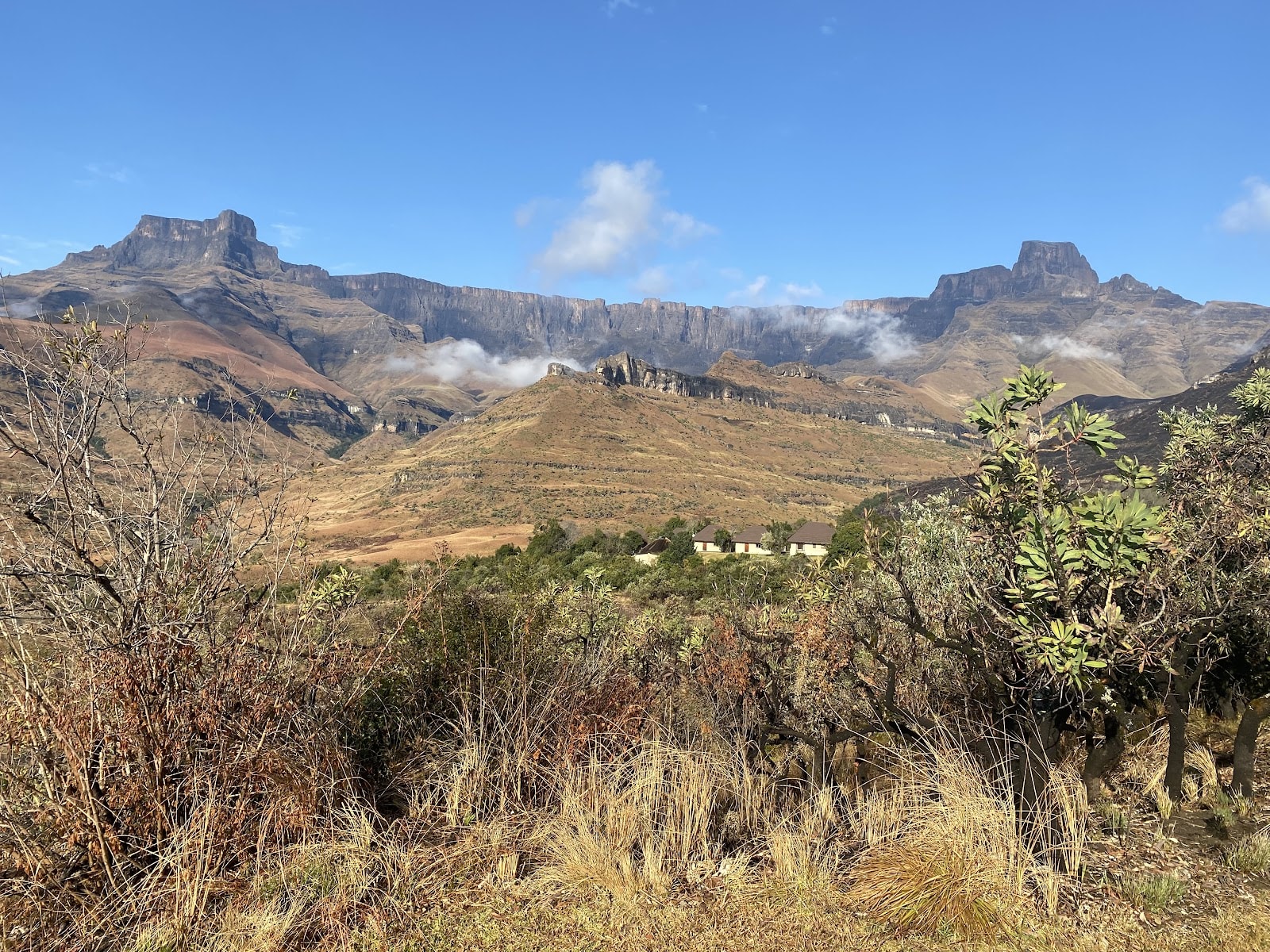
uKhahlamba-Drakensberg
Specie
Tringa stagnatilis
Segnalazioni
228
Osservazioni su iNaturalist
Ogni prenotazione su Spekboom sostiene la conservazione.
Una segnalazione significa che un host ha visto questa specie (Marsh Sandpiper) nella struttura o nei dintorni. Non è mai una garanzia di avvistamento.
Hosts on Spekboom have recorded the Marsh Sandpiper at stays in or beside Kruger National Park, uKhahlamba-Drakensberg Park, Goukamma Nature Reserve, Kgalagadi Transfrontier Park, Anysberg Nature Reserve and Gamkaberg Nature Reserve and other reserves. A record means a host has seen it on the property or nearby, which makes these the places to base yourself; it is never a guarantee of a sighting on any given day.
The Marsh Sandpiper is most recorded in Western Cape (45% of records), KwaZulu-Natal (14% of records), Gauteng (11% of records), based on 228 iNaturalist observations. 135 places to stay on Spekboom in South Africa have recorded the Marsh Sandpiper on site or nearby.
Sightings of the Marsh Sandpiper peak from Oct to Jan, based on 228 iNaturalist records. You may still see it outside those months, sightings are just less frequent.
The marsh sandpiper (Tringa stagnatilis) is a small wader. It is a rather small shank, and breeds in open grassy steppe and taiga wetlands from easternmost Europe to the Russian Far East. The genus name Tringa is the New Latin name given to the green sandpiper by Aldrovandus in 1599 based on Ancient Greek trungas, a thrush-sized, white-rumped, tail-bobbing wading bird mentioned by Aristotle.
Strutture che sostengono una causa
Ogni soggiorno nella pagina del Marsh Sandpiper elenca le specie che l’host ha registrato nella struttura o nelle vicinanze. Una registrazione è un avvistamento, mai una promessa.
Vedi dove soggiornare