Where to see
Where to see the Weeping Boer-bean in South Africa
Hosts have recorded the Weeping Boer-bean at stays in or beside Kruger National Park, Hluhluwe-Imfolozi Park and Sabi Sand Game Reserve.
Schotia brachypetala
Planning a trip
When and where to find the Weeping Boer-bean
Hosts have recorded the Weeping Boer-bean at stays in or beside Kruger National Park, Hluhluwe-Imfolozi Park and Sabi Sand Game Reserve.
Species
Schotia brachypetala
Records
972
iNaturalist observations
Every booking on Spekboom supports conservation.
Questions travellers ask
A record means a host has seen the Weeping Boer-bean on the property or nearby. It is never a guarantee of a sighting.
Which parks and reserves are best for the Weeping Boer-bean in South Africa?
Hosts on Spekboom have recorded the Weeping Boer-bean at stays in or beside Kruger National Park, Hluhluwe-Imfolozi Park, Sabi Sand Game Reserve and Weenen Game Reserve. A record means a host has seen it on the property or nearby, which makes these the places to base yourself; it is never a guarantee of a sighting on any given day.
Where can you see the Weeping Boer-bean in South Africa?
The Weeping Boer-bean is most recorded in KwaZulu-Natal (33% of records), Limpopo (30% of records), Mpumalanga (28% of records), based on 972 iNaturalist observations. 13 places to stay on Spekboom in South Africa have recorded the Weeping Boer-bean on site or nearby.
When is the best time to see the Weeping Boer-bean?
Sightings of the Weeping Boer-bean peak from Sep to Oct, based on 972 iNaturalist records. You may still see it outside those months, sightings are just less frequent.
What is the Weeping Boer-bean?
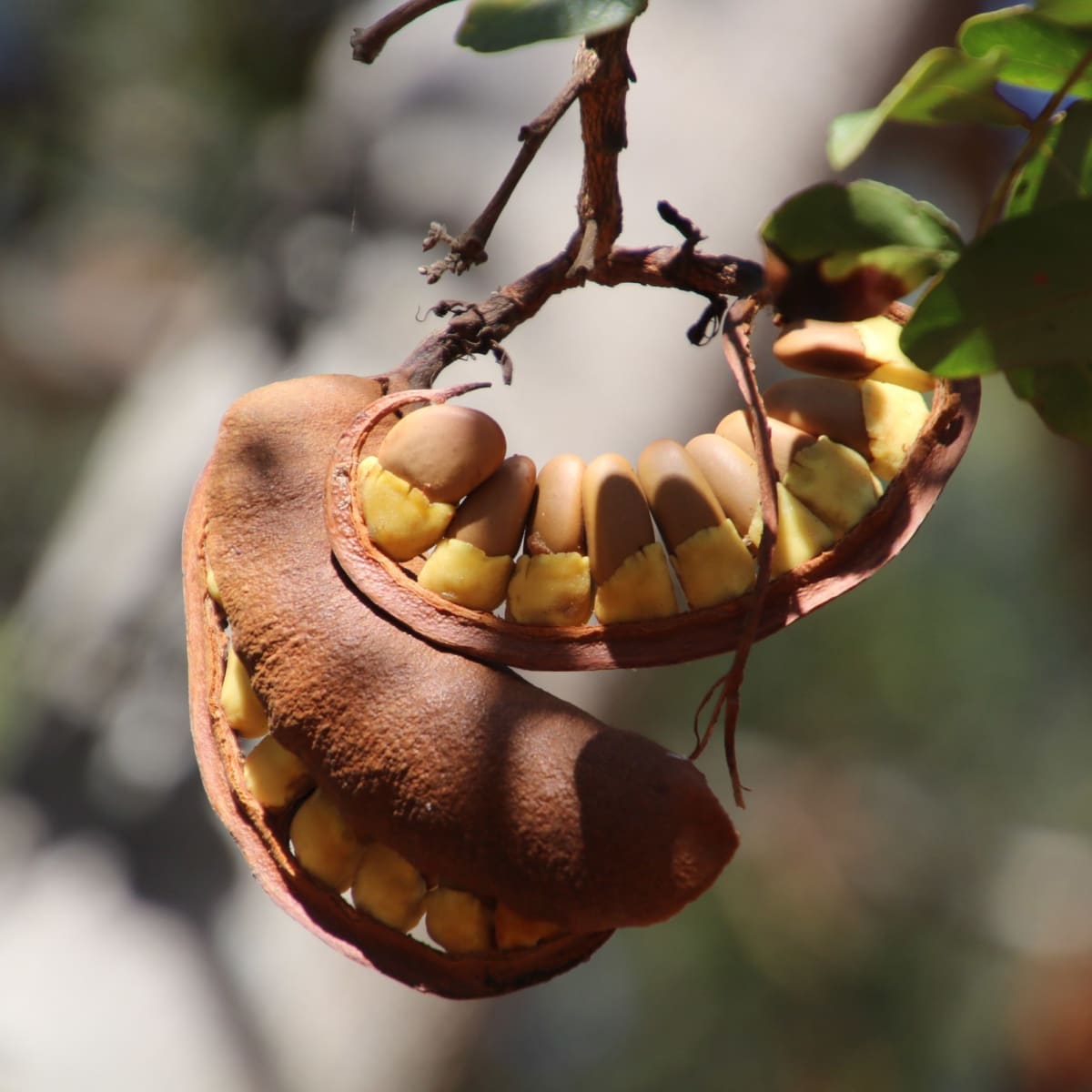
Schotia brachypetala or weeping boer-bean is a leguminous flowering tree in the family Fabaceae (bean family/pod-bearing family/legumes) and the subfamily Detarioideae. The woodland tree is native to Africa south of the Zambezi River, where it occurs at middle altitudes. It is well-suited as shade or ornamental tree in warmer regions, and is consequently widely cultivated in gardens and parks.
Stays that give back
Where to stay for a chance to see the Weeping Boer-bean
Every stay on the Weeping Boer-bean page lists the species its host has recorded on or near the property. A record is a sighting, never a promise.
See where to stay