
Limpopo
Kruger · Marakele · Timbavati
Big FiveSelf-driveGuided drives
Stays in LimpopoWhere to see
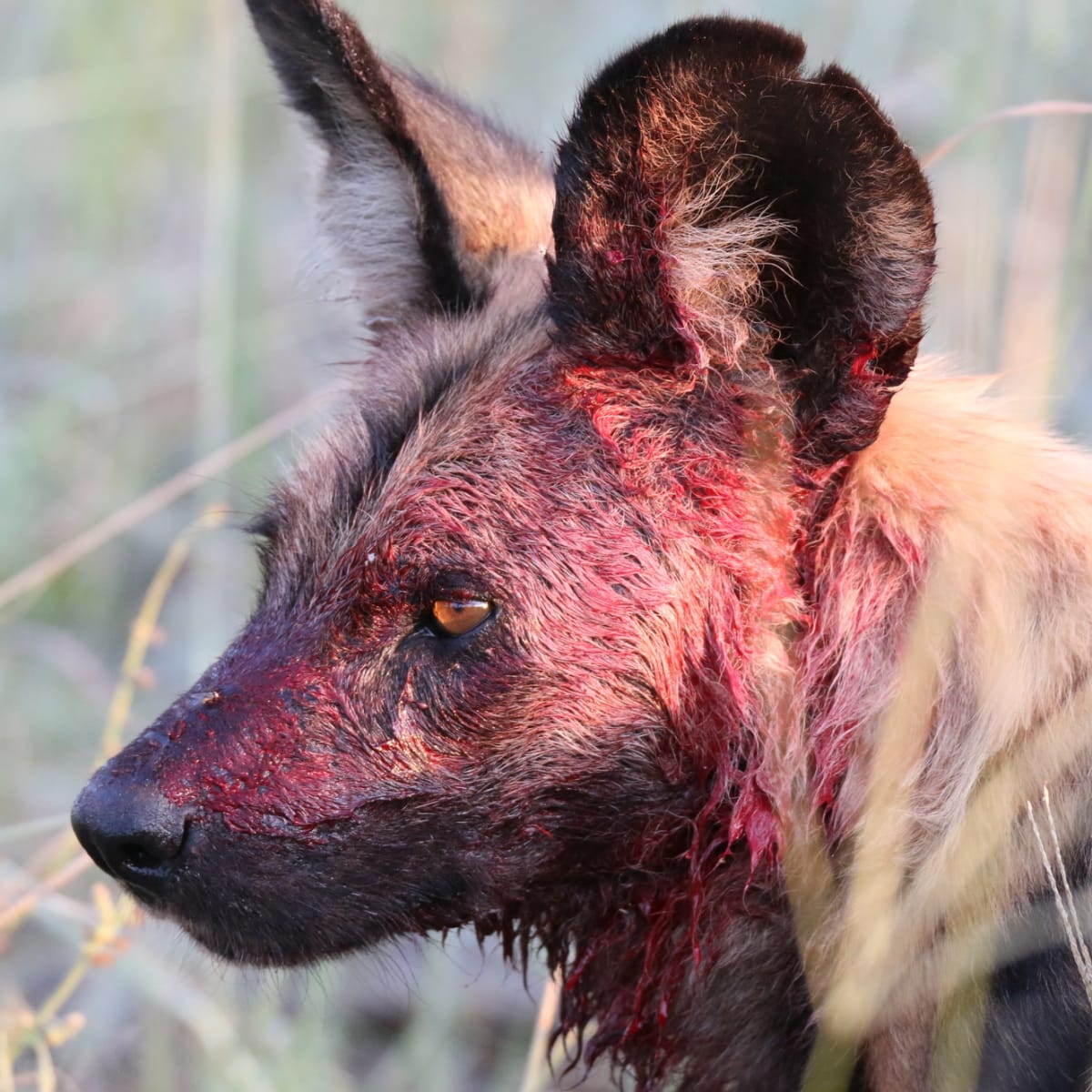
The African wild dog is the rarest large carnivore in the country and, for many guides, the best sighting on offer. Packs cover enormous distances, sometimes forty kilometres in a day, so no reserve can promise them. What changes the odds is the denning season. From roughly June to August a pack settles at a den to raise pups, stops moving and becomes findable for weeks at a stretch.
Lycaon pictus · Endangered
Planning a trip
The African wild dog is the rarest large carnivore in the country and, for many guides, the best sighting on offer.
| Park | Jan | Feb | Mar | Apr | May | Jun | Jul | Aug | Sep | Oct | Nov | Dec |
|---|---|---|---|---|---|---|---|---|---|---|---|---|
| Kruger | Here | Here | Here | Easiest viewing | Easiest viewing | Easiest viewing | Easiest viewing | Easiest viewing | Easiest viewing | Here | Here | Here |
| Sabi Sand | Here | Here | Here | Here | Easiest viewing |
Darker months are each park's own best season, when thinner bush or scarce water makes viewing easier. A sighting is never guaranteed.
Kruger · Marakele · Timbavati
Sabi Sand

Hluhluwe-Imfolozi

Madikwe
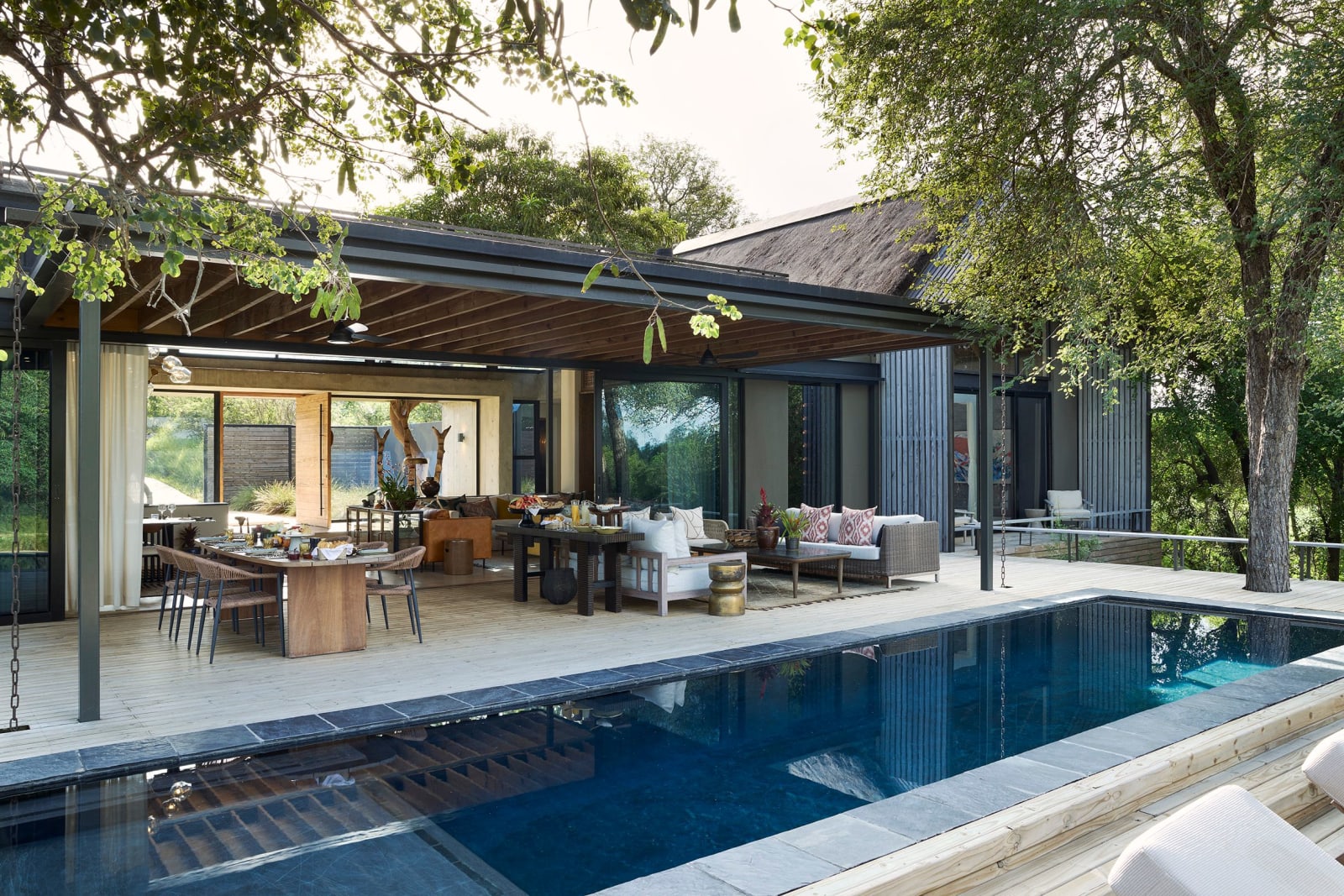
Guided drives from a lodge
A guide who knows where to look, with off-road and night drives in the private reserves.
Where hosts record it
IUCN Red List
Endangered
Species
Lycaon pictus
Records
1,415
iNaturalist observations
Every booking on Spekboom supports conservation.
A record means a host has seen the African Wild Dog on the property or nearby. It is never a guarantee of a sighting.
The African wild dog is the rarest large carnivore in the country and, for many guides, the best sighting on offer. Packs cover enormous distances, sometimes forty kilometres in a day, so no reserve can promise them. What changes the odds is the denning season. From roughly June to August a pack settles at a den to raise pups, stops moving and becomes findable for weeks at a stretch.
The northern Kruger and the private reserves on its boundary, Madikwe in the North West, and the Zululand reserves including Hluhluwe-iMfolozi and Phinda are where South Africa holds its packs, and the population is managed as a single metapopulation, with animals moved between fenced reserves to keep it viable. That work is run in large part by the Endangered Wildlife Trust, one of the causes stays on Spekboom support.
Wild dogs hunt in the cool of early morning and late afternoon at a flat run, and a pack on the move is impossible to keep up with. Ask at your lodge which way the pack was last seen heading, because with this species yesterday matters more than any season.
The denning season, roughly June to August, when a pack stays put at a den with pups instead of ranging across the whole reserve. Within the day, early morning and late afternoon, when they hunt. Wild dogs are the least predictable large carnivore in the country and a sighting is never guaranteed.
The northern Kruger and the private reserves on its western boundary, Madikwe Game Reserve, and the Zululand reserves including Hluhluwe-iMfolozi and Phinda. Populations in fenced reserves are managed as one metapopulation, so packs move between them over time.
They need very large ranges, which puts them in conflict with farming and traffic outside protected areas, and they are vulnerable to diseases carried by domestic dogs. Fewer than a few hundred survive in South Africa. Bookings at stays linked to the Endangered Wildlife Trust help fund the metapopulation programme that keeps the remaining packs viable.
The African Wild Dog (Lycaon pictus) is listed as Endangered on the IUCN Red List.
The African wild dog (Lycaon pictus), also known as cape hunting dog, African hunting dog, African painted dog, painted hunting dog or painted wolf, is a canid native to Sub-Saharan Africa.
Stays that give back
Every stay on the African Wild Dog page lists the species its host has recorded on or near the property. A record is a sighting, never a promise.
See where to stay| Easiest viewing |
| Easiest viewing |
| Easiest viewing |
| Easiest viewing |
| Here |
| Here |
| Here |
| Hluhluwe-Imfolozi | Here | Here | Here | Here | Easiest viewing | Easiest viewing | Easiest viewing | Easiest viewing | Easiest viewing | Here | Here | Here |
|---|
| Marakele | Here | Here | Here | Here | Easiest viewing | Easiest viewing | Easiest viewing | Easiest viewing | Easiest viewing | Here | Here | Here |
|---|
| Timbavati | Here | Here | Here | Here | Easiest viewing | Easiest viewing | Easiest viewing | Easiest viewing | Easiest viewing | Here | Here | Here |
|---|
| Thornybush | Here | Here | Here | Here | Easiest viewing | Easiest viewing | Easiest viewing | Easiest viewing | Easiest viewing | Here | Here | Here |
|---|
| Madikwe | Here | Here | Here | Easiest viewing | Easiest viewing | Easiest viewing | Easiest viewing | Easiest viewing | Easiest viewing | Here | Here | Here |
|---|