Limpopo
Kruger
Self-drive
Stays in LimpopoWhere to see
Hosts have recorded the Red Phalarope at stays in or beside Kruger National Park, Table Mountain National Park and West Coast National Park.
Phalaropus fulicarius · Least Concern
Planning a trip
Hosts have recorded the Red Phalarope at stays in or beside Kruger National Park, Table Mountain National Park and West Coast National Park.
Kruger

Table Mountain · West Coast
Drive yourself
Your own vehicle and pace, on the park's roads.
Where hosts record it
IUCN Red List
Least Concern
Species
Phalaropus fulicarius
Records
22
iNaturalist observations
Every booking on Spekboom supports conservation.
A record means a host has seen the Red Phalarope on the property or nearby. It is never a guarantee of a sighting.
Hosts on Spekboom have recorded the Red Phalarope at stays in or beside Kruger National Park, Table Mountain National Park and West Coast National Park. A record means a host has seen it on the property or nearby, which makes these the places to base yourself; it is never a guarantee of a sighting on any given day.
The Red Phalarope is most recorded in Western Cape (64% of records), KwaZulu-Natal (9% of records), Mpumalanga (9% of records), based on 22 iNaturalist observations. 46 places to stay on Spekboom in South Africa have recorded the Red Phalarope on site or nearby.
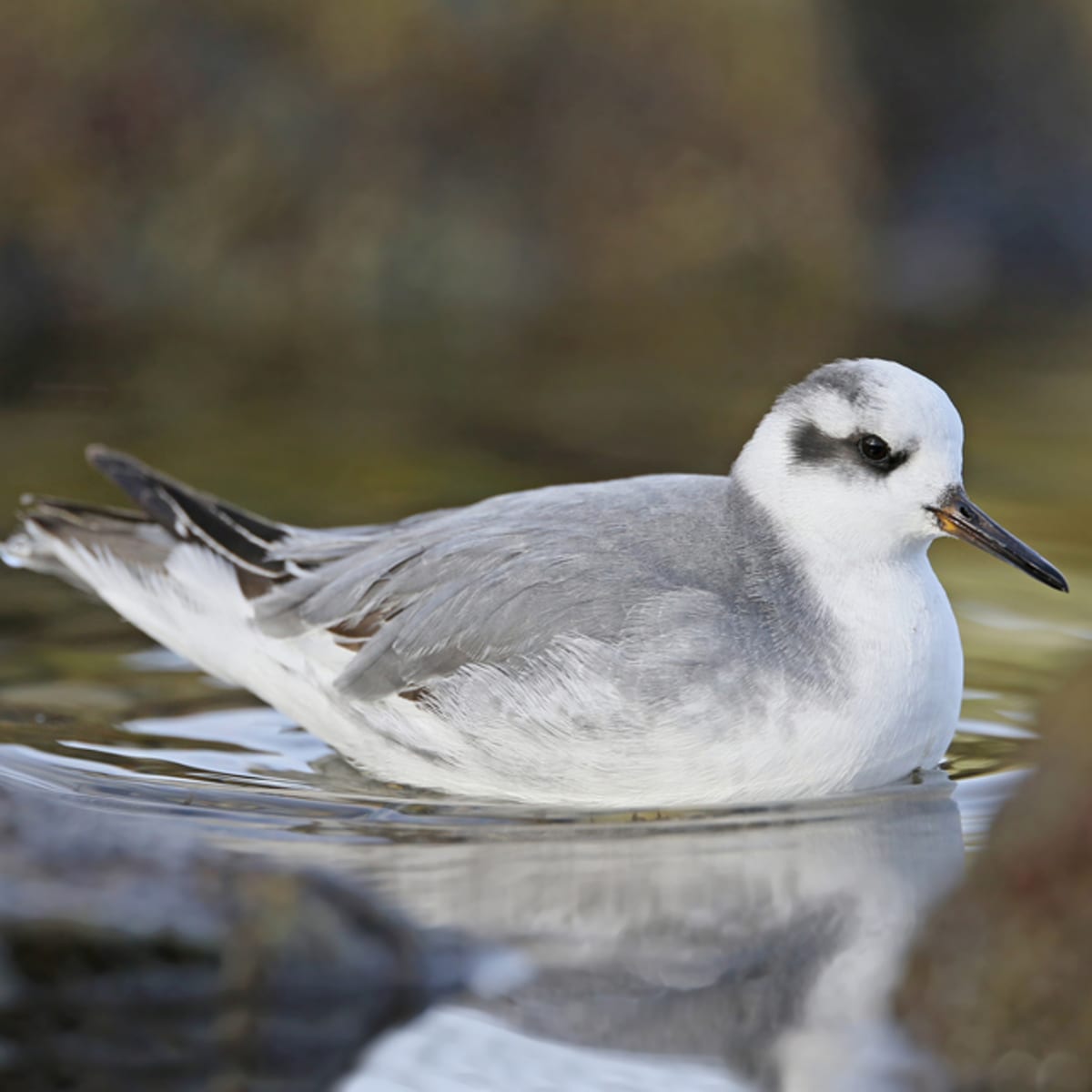
The Red Phalarope (Phalaropus fulicarius) is listed as Least Concern on the IUCN Red List.
The red phalarope (called grey phalarope in Europe), Phalaropus fulicarius, is a small wader. This phalarope breeds in the Arctic regions of North America and Eurasia. It is migratory, and, unusually for a wader, migrating mainly on oceanic routes and wintering at sea on tropical oceans.
Stays that give back
Every stay on the Red Phalarope page lists the species its host has recorded on or near the property. A record is a sighting, never a promise.
See where to stay