
Eastern Cape
Addo Elephant
Self-driveMalaria-free
Stays in Eastern CapeWhere to see
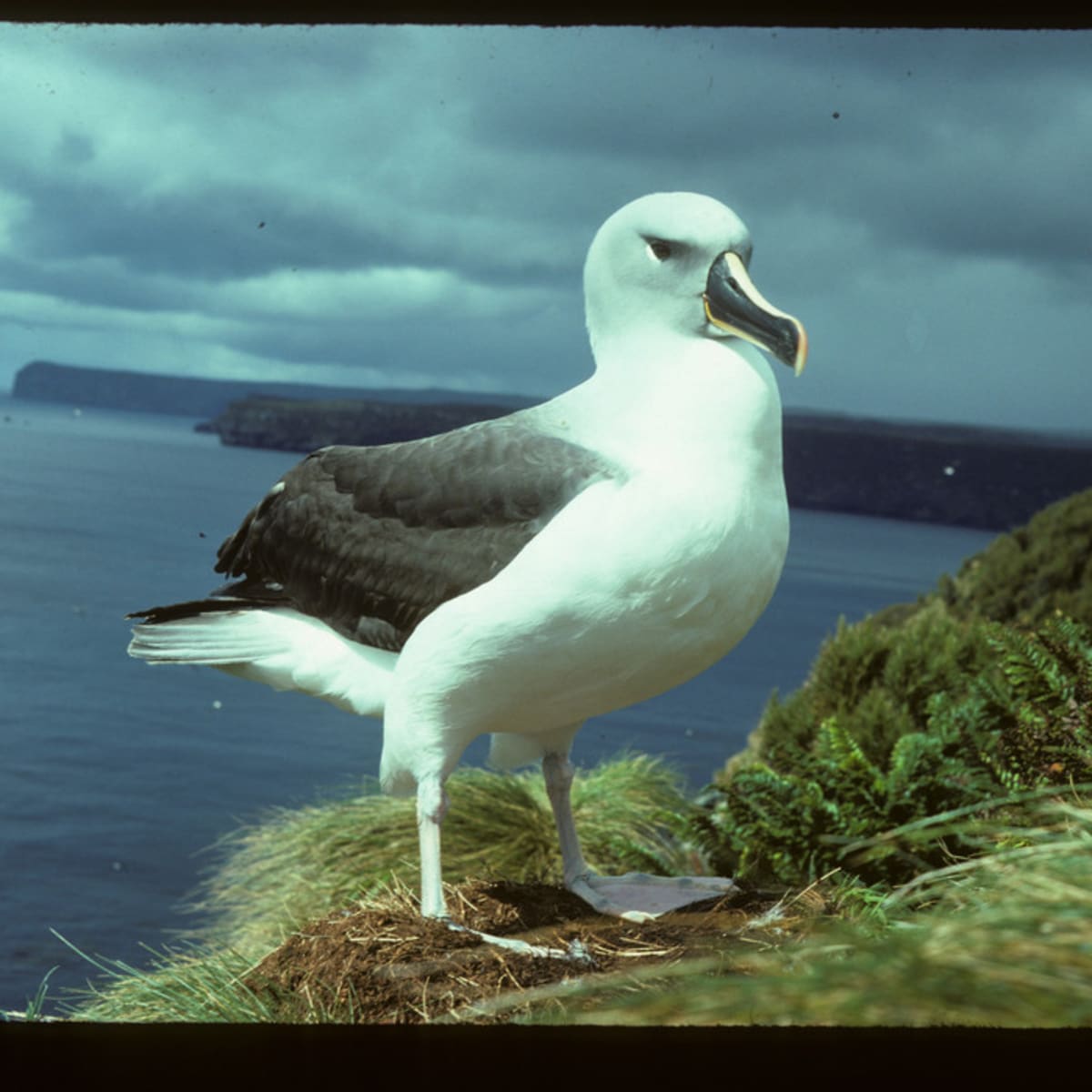
Hosts have recorded the Grey-headed Albatross at stays in or beside Addo Elephant National Park and West Coast National Park.
Thalassarche chrysostoma · Endangered
Planning a trip
Hosts have recorded the Grey-headed Albatross at stays in or beside Addo Elephant National Park and West Coast National Park.
Addo Elephant
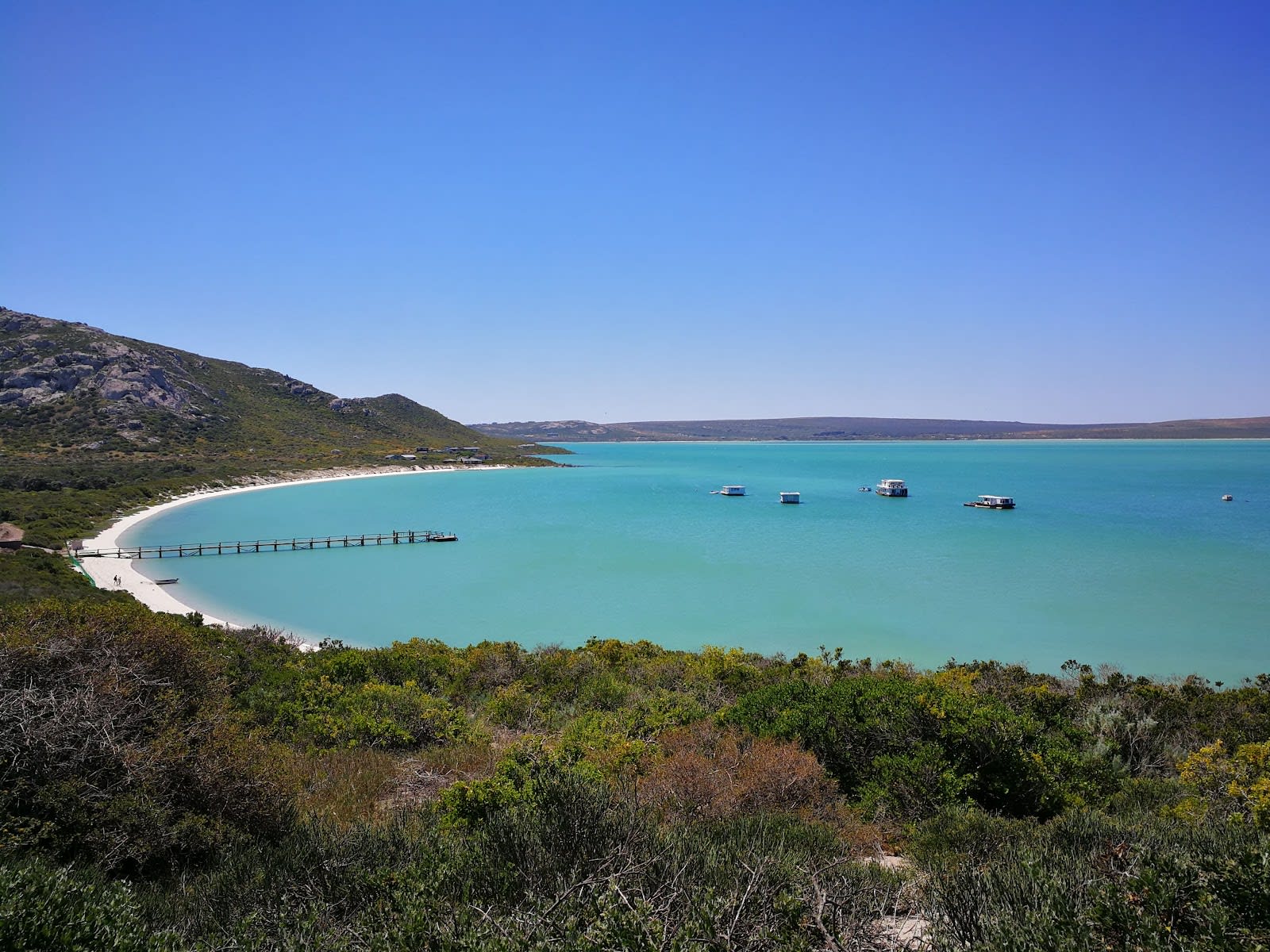
West Coast
Drive yourself
Your own vehicle and pace, on the park's roads.
Where hosts record it
IUCN Red List
Endangered
Species
Thalassarche chrysostoma
Every booking on Spekboom supports conservation.
A record means a host has seen the Grey-headed Albatross on the property or nearby. It is never a guarantee of a sighting.
Hosts on Spekboom have recorded the Grey-headed Albatross at stays in or beside Addo Elephant National Park and West Coast National Park. A record means a host has seen it on the property or nearby, which makes these the places to base yourself; it is never a guarantee of a sighting on any given day.
The Grey-headed Albatross (Thalassarche chrysostoma) is listed as Endangered on the IUCN Red List.
The grey-headed albatross (Thalassarche chrysostoma) also known as the grey-headed mollymawk, is a large seabird from the albatross family. It has a circumpolar distribution, nesting on isolated islands in the Southern Ocean and feeding at high latitudes, further south than any of the other mollymawks. Its name derives from its ashy-grey head, throat and upper neck.
Stays that give back
Every stay on the Grey-headed Albatross page lists the species its host has recorded on or near the property. A record is a sighting, never a promise.
See where to stay