Where to see
Where to see the Dunlin in South Africa
Hosts have recorded the Dunlin at stays in or beside Kruger National Park.
Calidris alpina · Near Threatened
Planning a trip
When and where to find the Dunlin
Hosts have recorded the Dunlin at stays in or beside Kruger National Park.
Best hours of the day
- The first hours after sunrise, and late afternoon. Birds call and feed most in the cool.
- Midday. Quieter, especially in summer heat.
Ways to look
Drive yourself
Your own vehicle and pace, on the park's roads.
Where hosts record it
IUCN Red List
Near Threatened
Species
Calidris alpina
Every booking on Spekboom supports conservation.
Questions travellers ask
A record means a host has seen the Dunlin on the property or nearby. It is never a guarantee of a sighting.
Which parks and reserves are best for the Dunlin in South Africa?
Hosts on Spekboom have recorded the Dunlin at stays in or beside Kruger National Park. A record means a host has seen it on the property or nearby, which makes these the places to base yourself; it is never a guarantee of a sighting on any given day.
What is the conservation status of the Dunlin?
The Dunlin (Calidris alpina) is listed as Near Threatened on the IUCN Red List.
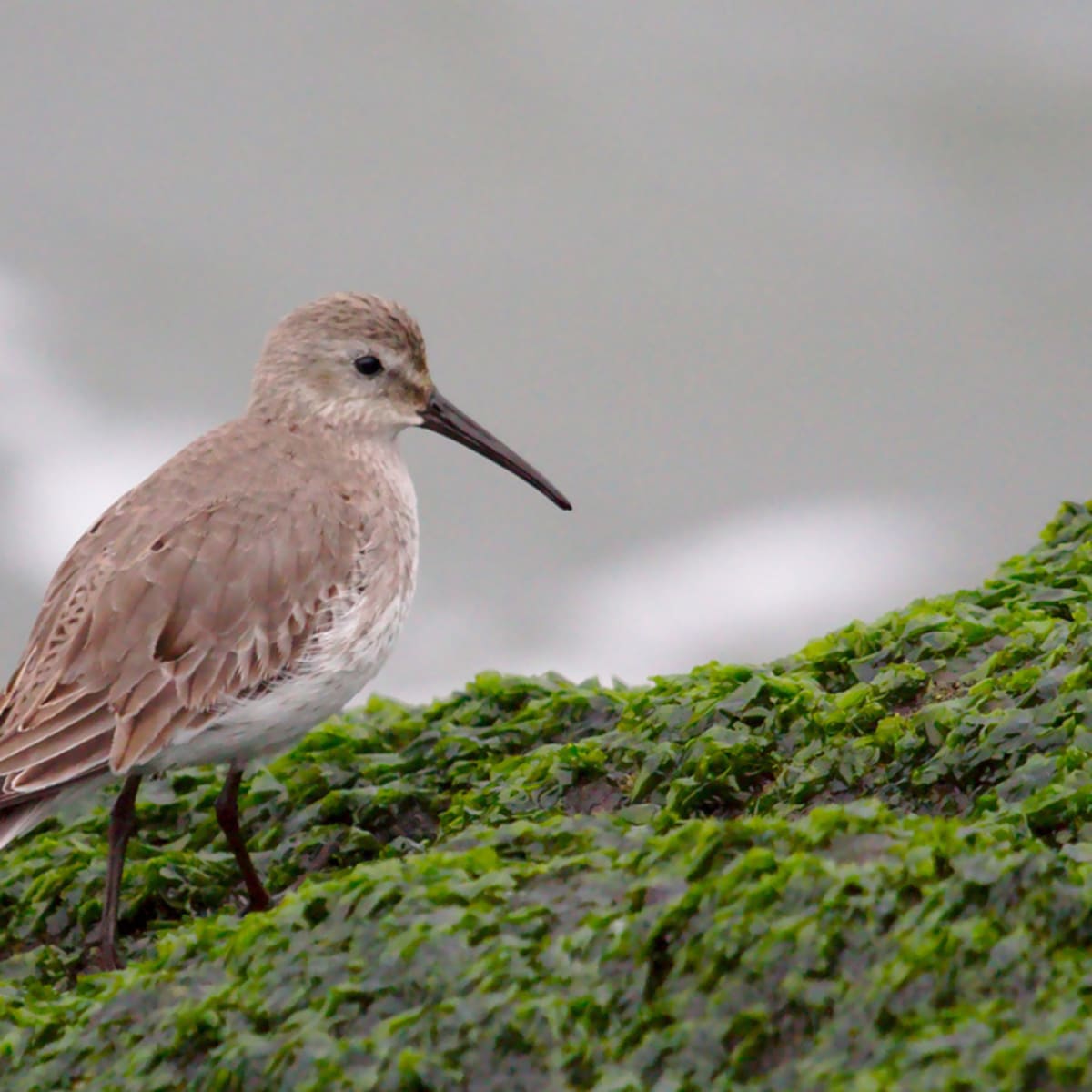
What is the Dunlin?
The dunlin (Calidris alpina) is a small wader, sometimes separated with the other "stints" in Erolia. The English name is a dialect form of "dunling", first recorded in 1531, 2. It derives from "dun", "dull brown ", with the -ling suffix meaning "concerned with". The genus name is from Ancient Greek kalidris or skalidris, a term used by Aristotle for some grey-coloured waterside birds.
Stays that give back
Where to stay for a chance to see the Dunlin
Every stay on the Dunlin page lists the species its host has recorded on or near the property. A record is a sighting, never a promise.
See where to stay