Where to see
Where to see the Barred Owlet in South Africa
Hosts have recorded the Barred Owlet at stays in or beside Kruger National Park.
Strix varia · Least Concern
Planning a trip
When and where to find the Barred Owlet
Hosts have recorded the Barred Owlet at stays in or beside Kruger National Park.
Best hours of the day
- Dusk and after dark. Listen for calls; a torch at camp or a night drive works best.
- Daytime. Roosting, well hidden.
Ways to look
Drive yourself
Your own vehicle and pace, on the park's roads.
Where hosts record it
IUCN Red List
Least Concern
Species
Strix varia
Every booking on Spekboom supports conservation.
Questions travellers ask
A record means a host has seen the Barred Owlet on the property or nearby. It is never a guarantee of a sighting.
Which parks and reserves are best for the Barred Owlet in South Africa?
Hosts on Spekboom have recorded the Barred Owlet at stays in or beside Kruger National Park. A record means a host has seen it on the property or nearby, which makes these the places to base yourself; it is never a guarantee of a sighting on any given day.
What is the conservation status of the Barred Owlet?
The Barred Owlet (Strix varia) is listed as Least Concern on the IUCN Red List.
What is the Barred Owlet?
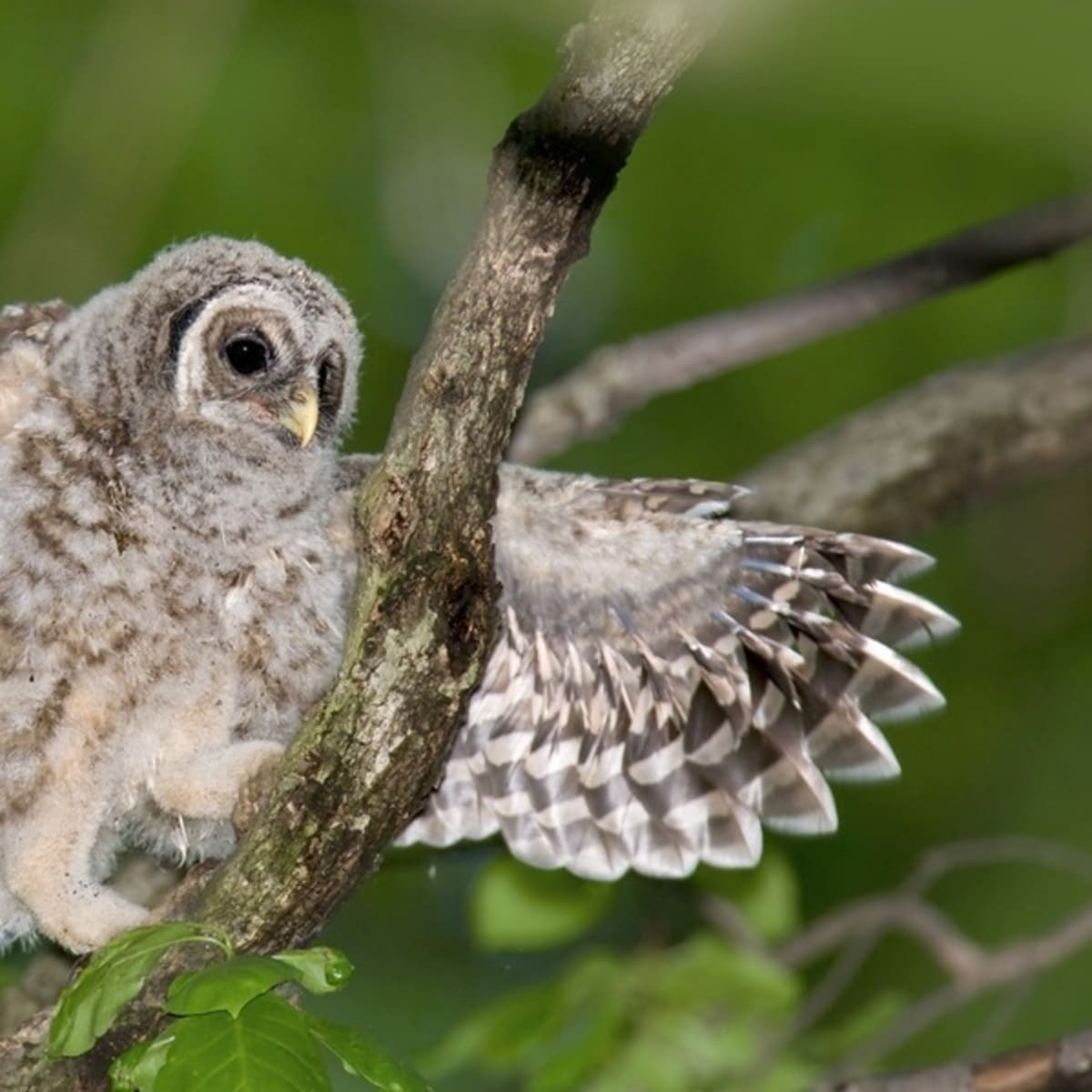
The barred owl (Strix varia), or northern barred owl or hoot owl, is a true owl native to eastern North America. Adults are large, and are brown to grey with barring on the chest. Barred owls have expanded their range to the west coast of the United States, where they are considered invasive. Mature forests are their preferred habitat, but they are also found in open woodland areas.
Stays that give back
Where to stay for a chance to see the Barred Owlet
Every stay on the Barred Owlet page lists the species its host has recorded on or near the property. A record is a sighting, never a promise.
See where to stay