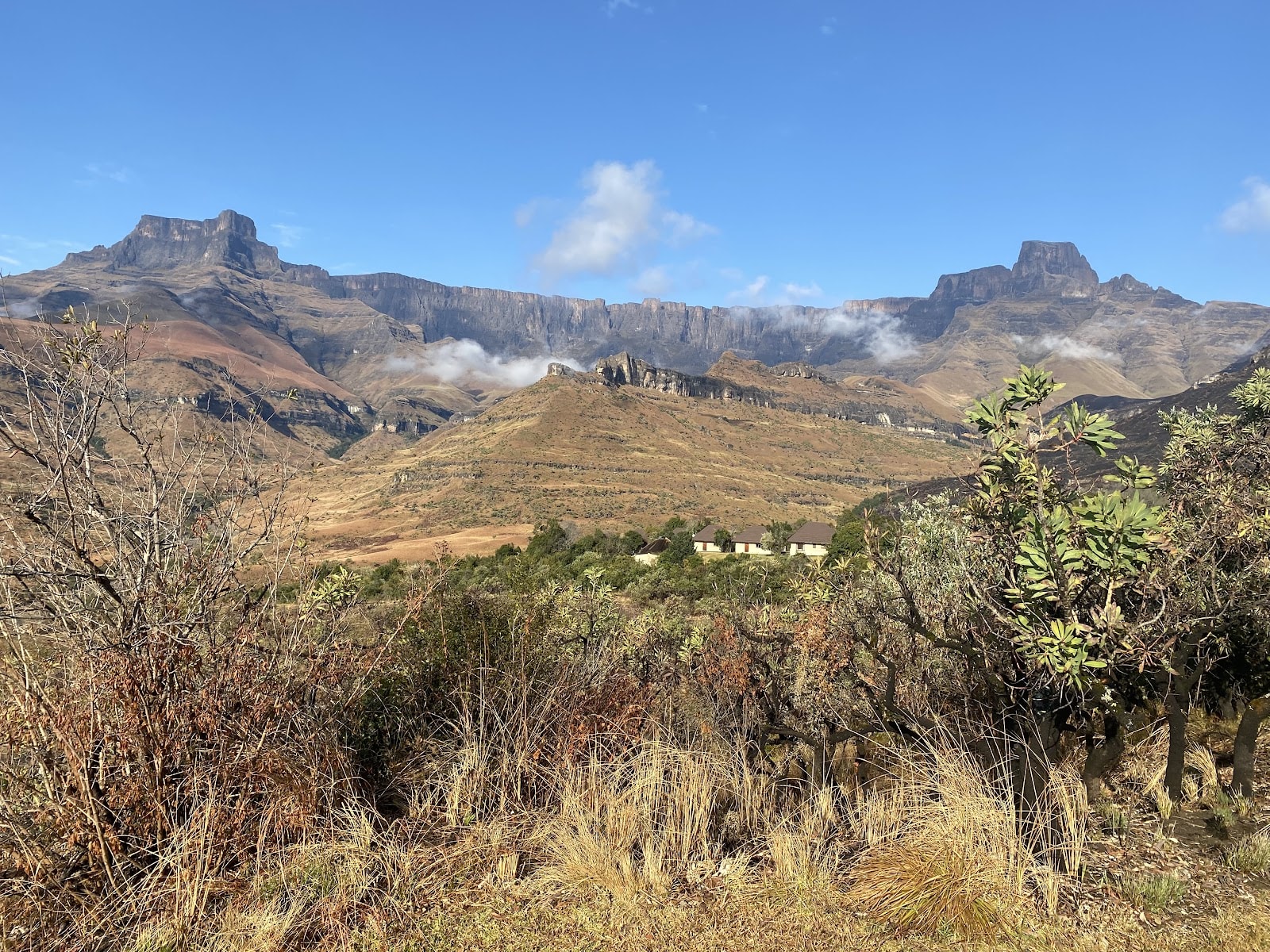
KwaZulu-Natal
uKhahlamba-Drakensberg · Hluhluwe-Imfolozi · Ithala
Big FiveIn autonomia
Strutture: KwaZulu-NatalDove vederlo
Gli host hanno segnalato questa specie (Flap-necked Chameleon) in strutture dentro o accanto a Kruger National Park, uKhahlamba-Drakensberg Park and Hluhluwe-Imfolozi Park.
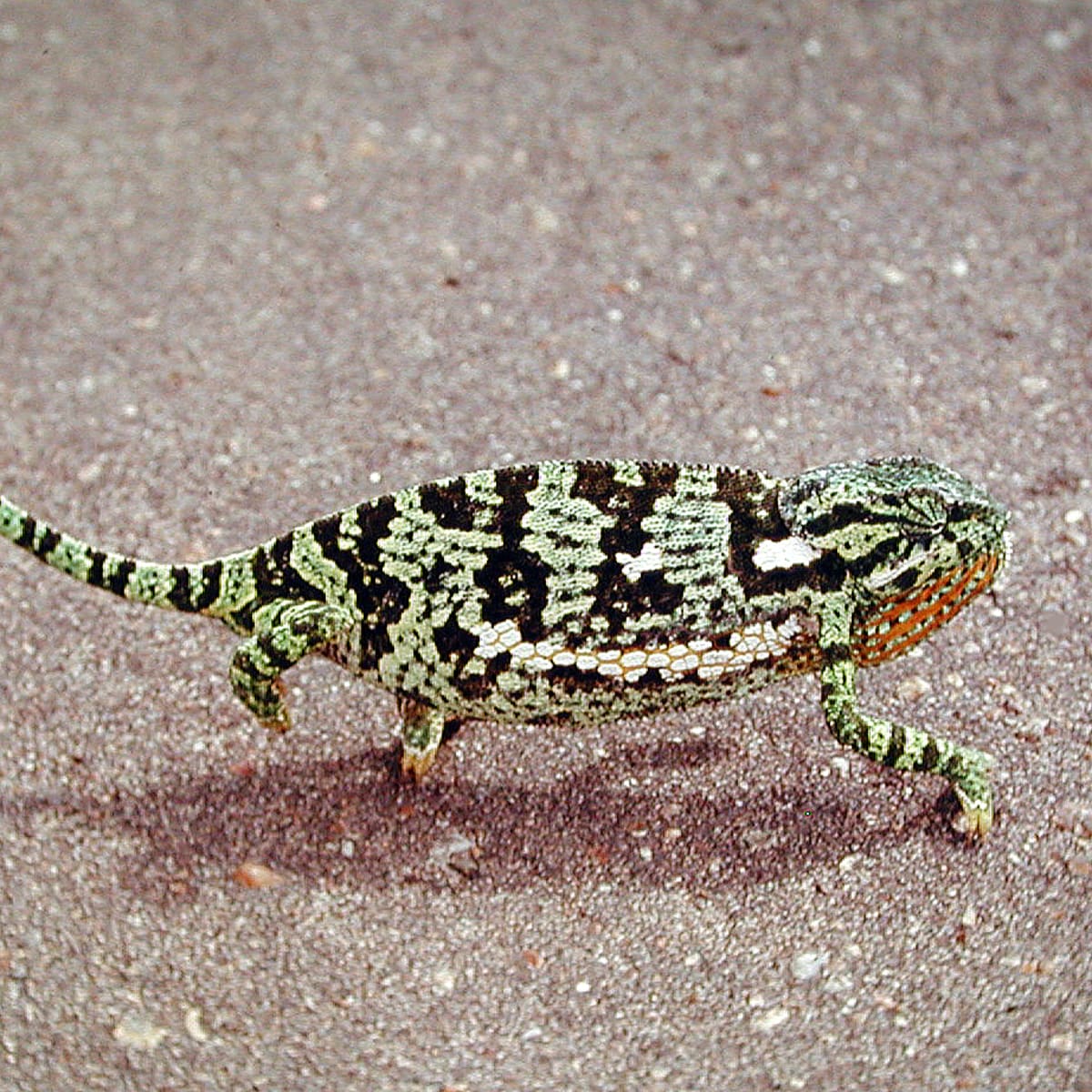
Chamaeleo dilepis
Pianificare un viaggio
Gli host hanno segnalato questa specie (Flap-necked Chameleon) in strutture dentro o accanto a Kruger National Park, uKhahlamba-Drakensberg Park and Hluhluwe-Imfolozi Park.
| Parco | gen | feb | mar | apr | mag | giu | lug | ago | set | ott | nov | dic |
|---|---|---|---|---|---|---|---|---|---|---|---|---|
| Kruger | Presente | Presente | Presente | Osservazione più facile | Osservazione più facile | Osservazione più facile | Osservazione più facile | Osservazione più facile | Osservazione più facile | Presente | Presente | Presente |
| uKhahlamba-Drakensberg | Presente | Presente | Presente | Presente |
I mesi più scuri sono la stagione migliore di ciascun parco, quando la vegetazione più rada o la scarsità d’acqua rendono più facile l’osservazione. Nessun avvistamento è garantito.
uKhahlamba-Drakensberg · Hluhluwe-Imfolozi · Ithala

Kruger · Welgevonden

Sabi Sand
Guidare in autonomia
Il Suo veicolo e il Suo ritmo, sulle strade del parco.
Dove lo segnalano gli host
Fotosafari guidati da un lodge
Una guida che sa dove guardare, con uscite fuoristrada e safari notturni nelle riserve private.
Dove lo segnalano gli host
Specie
Chamaeleo dilepis
Segnalazioni
2,983
Osservazioni su iNaturalist
Ogni prenotazione su Spekboom sostiene la conservazione.
Una segnalazione significa che un host ha visto questa specie (Flap-necked Chameleon) nella struttura o nei dintorni. Non è mai una garanzia di avvistamento.
Hosts on Spekboom have recorded the Flap-necked Chameleon at stays in or beside Kruger National Park, uKhahlamba-Drakensberg Park, Hluhluwe-Imfolozi Park, Sabi Sand Game Reserve, Welgevonden Game Reserve and Ithala Game Reserve and other reserves. A record means a host has seen it on the property or nearby, which makes these the places to base yourself; it is never a guarantee of a sighting on any given day.
The Flap-necked Chameleon is most recorded in KwaZulu-Natal (42% of records), Mpumalanga (25% of records), Limpopo (24% of records), based on 2,983 iNaturalist observations. 18 places to stay on Spekboom in South Africa have recorded the Flap-necked Chameleon on site or nearby.
The Flap-necked Chameleon is recorded throughout the year, so no month is the wrong month to look for it. For the parks where hosts record it most, these are the best seasons they give. Kruger National Park: Apr-Sep; uKhahlamba-Drakensberg Park: year-round, dry season May-Sep; Hluhluwe-Imfolozi Park: year-round, dry season May-Sep; Sabi Sand Game Reserve: year-round, dry season May-Sep optimal. In the dry months animals concentrate at water and the grass is short.
The flap-necked chameleon (Chamaeleo dilepis) is a species of arboreal chameleon native to sub-Saharan Africa.
Strutture che sostengono una causa
Ogni soggiorno nella pagina del Flap-necked Chameleon elenca le specie che l’host ha registrato nella struttura o nelle vicinanze. Una registrazione è un avvistamento, mai una promessa.
Vedi dove soggiornare| Osservazione più facile |
| Osservazione più facile |
| Osservazione più facile |
| Osservazione più facile |
| Osservazione più facile |
| Presente |
| Presente |
| Presente |
| Hluhluwe-Imfolozi | Presente | Presente | Presente | Presente | Osservazione più facile | Osservazione più facile | Osservazione più facile | Osservazione più facile | Osservazione più facile | Presente | Presente | Presente |
|---|
| Sabi Sand | Presente | Presente | Presente | Presente | Osservazione più facile | Osservazione più facile | Osservazione più facile | Osservazione più facile | Osservazione più facile | Presente | Presente | Presente |
|---|
| Welgevonden | Presente | Presente | Presente | Presente | Osservazione più facile | Osservazione più facile | Osservazione più facile | Osservazione più facile | Osservazione più facile | Presente | Presente | Presente |
|---|
| Ithala | Presente | Presente | Presente | Presente | Osservazione più facile | Osservazione più facile | Osservazione più facile | Osservazione più facile | Osservazione più facile | Presente | Presente | Presente |
|---|
| Ndumo | Presente | Presente | Presente | Presente | Osservazione più facile | Osservazione più facile | Osservazione più facile | Osservazione più facile | Osservazione più facile | Presente | Presente | Presente |
|---|