
Western Cape
Goukamma · De Hoop · Grootvadersbosch
In autonomiaSenza malaria
Strutture: Western CapeDove vederlo
Gli host hanno segnalato questa specie (White Stork) in strutture dentro o accanto a uKhahlamba-Drakensberg Park, Goukamma Nature Reserve and Kruger National Park.
Ciconia ciconia

Pianificare un viaggio
Gli host hanno segnalato questa specie (White Stork) in strutture dentro o accanto a uKhahlamba-Drakensberg Park, Goukamma Nature Reserve and Kruger National Park.
Goukamma · De Hoop · Grootvadersbosch
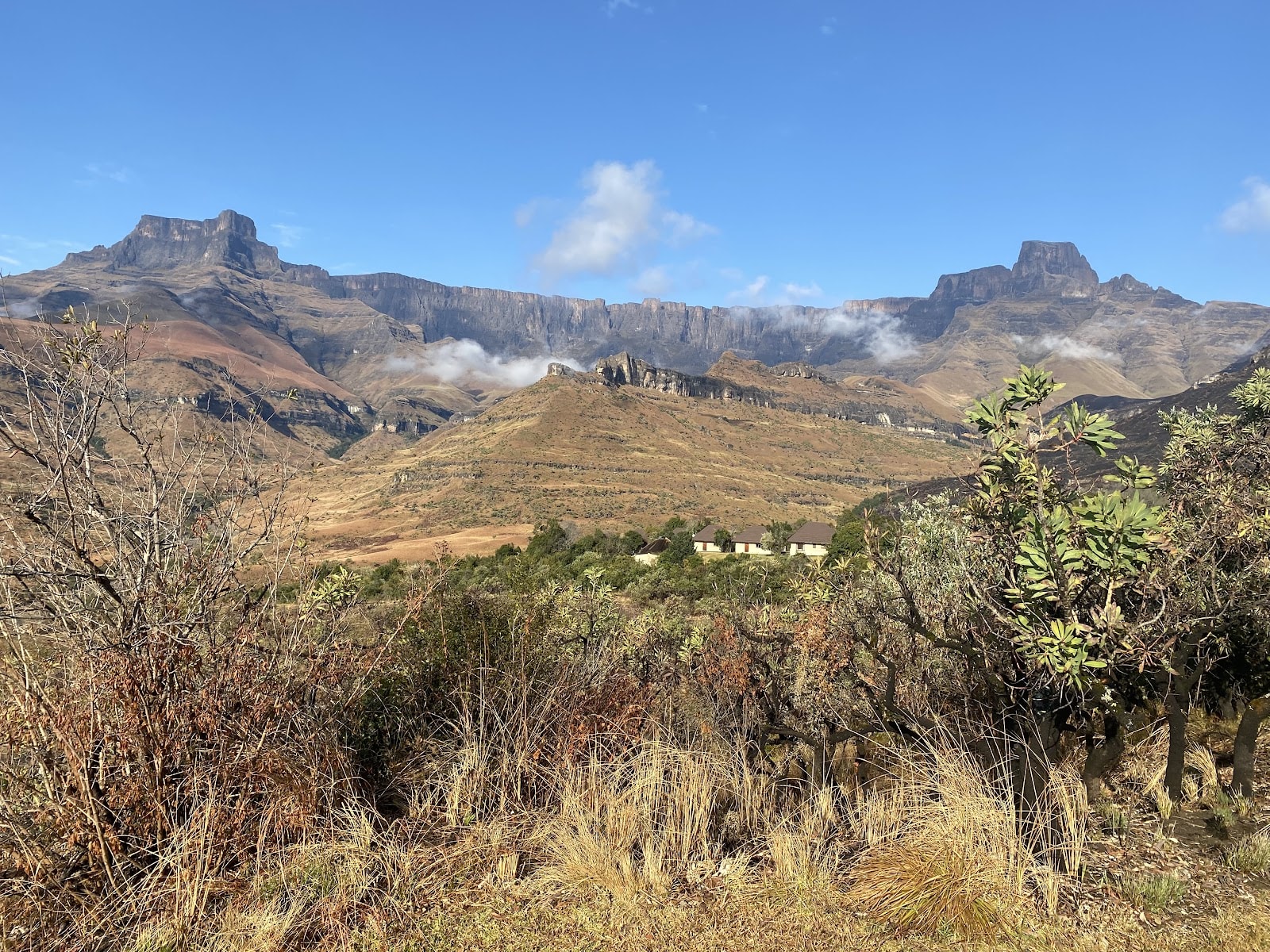
uKhahlamba-Drakensberg · Giants Castle · Hluhluwe-Imfolozi

Kruger · Timbavati

Kwandwe · Amakhala
Guidare in autonomia
Il Suo veicolo e il Suo ritmo, sulle strade del parco.
Dove lo segnalano gli host
Specie
Ciconia ciconia
Segnalazioni
680
Osservazioni su iNaturalist
Ogni prenotazione su Spekboom sostiene la conservazione.
Una segnalazione significa che un host ha visto questa specie (White Stork) nella struttura o nei dintorni. Non è mai una garanzia di avvistamento.
Hosts on Spekboom have recorded the White Stork at stays in or beside uKhahlamba-Drakensberg Park, Goukamma Nature Reserve, Kruger National Park, Kgalagadi Transfrontier Park, Kwandwe Private Game Reserve and De Hoop Nature Reserve and other reserves. A record means a host has seen it on the property or nearby, which makes these the places to base yourself; it is never a guarantee of a sighting on any given day.
The White Stork is most recorded in Western Cape (28% of records), KwaZulu-Natal (20% of records), Mpumalanga (15% of records), based on 680 iNaturalist observations. 66 places to stay on Spekboom in South Africa have recorded the White Stork on site or nearby.
Sightings of the White Stork peak from Dec to Mar, based on 680 iNaturalist records. You may still see it outside those months, sightings are just less frequent.
The white stork (Ciconia ciconia) is a large bird in the stork family Ciconiidae. Its plumage is mainly white, with black on its wings. Adults have long red legs and long pointed red beaks, and measure on average 100-115 cm (39-45 in) from beak tip to end of tail, with a 155-215 cm (61-85 in) wingspan.
Strutture che sostengono una causa
Ogni soggiorno nella pagina del White Stork elenca le specie che l’host ha registrato nella struttura o nelle vicinanze. Una registrazione è un avvistamento, mai una promessa.
Vedi dove soggiornare