
Eastern Cape
Addo Elephant · Tsitsikamma
En voiture
Hébergements : Eastern CapeOù observer
Antarctic Tern : signalé par des hôtes dans ou près de Addo Elephant National Park, Table Mountain National Park and Tsitsikamma National Park.
Sterna vittata · Least Concern
Préparer un voyage
Antarctic Tern : signalé par des hôtes dans ou près de Addo Elephant National Park, Table Mountain National Park and Tsitsikamma National Park.
Addo Elephant · Tsitsikamma

Table Mountain · Garden Route · West Coast
Conduire soi-même
Votre véhicule et votre rythme, sur les routes du parc.
Parcs où l’espèce est signalée
Liste rouge de l’UICN
Least Concern
Espèce
Sterna vittata
Observations
78
observations iNaturalist
Chaque réservation sur Spekboom soutient la conservation.
Une observation signifie qu’un hôte a vu l’espèce Antarctic Tern sur place ou à proximité. Ce n’est jamais une garantie de la voir.
Hosts on Spekboom have recorded the Antarctic Tern at stays in or beside Addo Elephant National Park, Table Mountain National Park, Tsitsikamma National Park, Garden Route National Park and West Coast National Park. A record means a host has seen it on the property or nearby, which makes these the places to base yourself; it is never a guarantee of a sighting on any given day.
The Antarctic Tern is most recorded in Western Cape (94% of records), Eastern Cape (6% of records), based on 78 iNaturalist observations. 13 places to stay on Spekboom in South Africa have recorded the Antarctic Tern on site or nearby.
Sightings of the Antarctic Tern peak from Jun to Sep, based on 78 iNaturalist records. You may still see it outside those months, sightings are just less frequent.
The Antarctic Tern (Sterna vittata) is listed as Least Concern on the IUCN Red List.
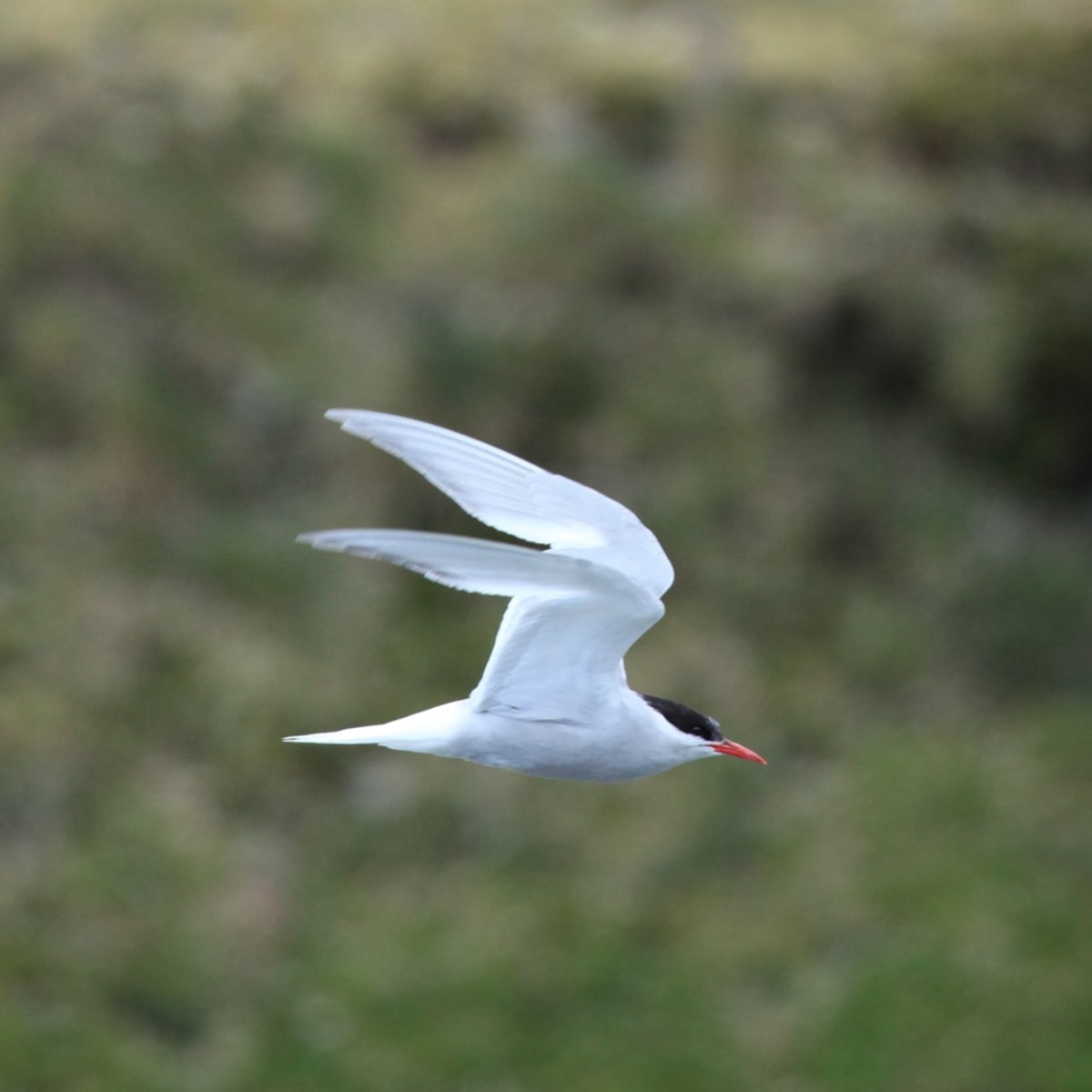
The Antarctic tern (Sterna vittata) is a typical tern. It ranges throughout the southern oceans. It is very similar in appearance to the closely related Arctic tern, but is stockier, and the wing tips are grey instead of blackish in flight.
Hébergements engagés
Chaque séjour de la page du Antarctic Tern indique les espèces que l’hôte a relevées sur la propriété ou à proximité. Un relevé est une observation, jamais une promesse.
Voir où séjourner