Where to see
Where to see the Pintado Petrel in South Africa
Hosts have recorded the Pintado Petrel at stays in or beside Table Mountain National Park and West Coast National Park.
Daption capense · Least Concern
Planning a trip
When and where to find the Pintado Petrel
Hosts have recorded the Pintado Petrel at stays in or beside Table Mountain National Park and West Coast National Park.
Best hours of the day
- The first hours after sunrise, and late afternoon. Birds call and feed most in the cool.
- Midday. Quieter, especially in summer heat.
Ways to look
Drive yourself
Your own vehicle and pace, on the park's roads.
Where hosts record it
IUCN Red List
Least Concern
Species
Daption capense
Records
12
iNaturalist observations
Every booking on Spekboom supports conservation.
Questions travellers ask
A record means a host has seen the Pintado Petrel on the property or nearby. It is never a guarantee of a sighting.
Which parks and reserves are best for the Pintado Petrel in South Africa?
Hosts on Spekboom have recorded the Pintado Petrel at stays in or beside Table Mountain National Park and West Coast National Park. A record means a host has seen it on the property or nearby, which makes these the places to base yourself; it is never a guarantee of a sighting on any given day.
Where can you see the Pintado Petrel in South Africa?
The Pintado Petrel is most recorded in Western Cape (100% of records), based on 12 iNaturalist observations. 5 places to stay on Spekboom in South Africa have recorded the Pintado Petrel on site or nearby.
What is the conservation status of the Pintado Petrel?
The Pintado Petrel (Daption capense) is listed as Least Concern on the IUCN Red List.
What is the Pintado Petrel?
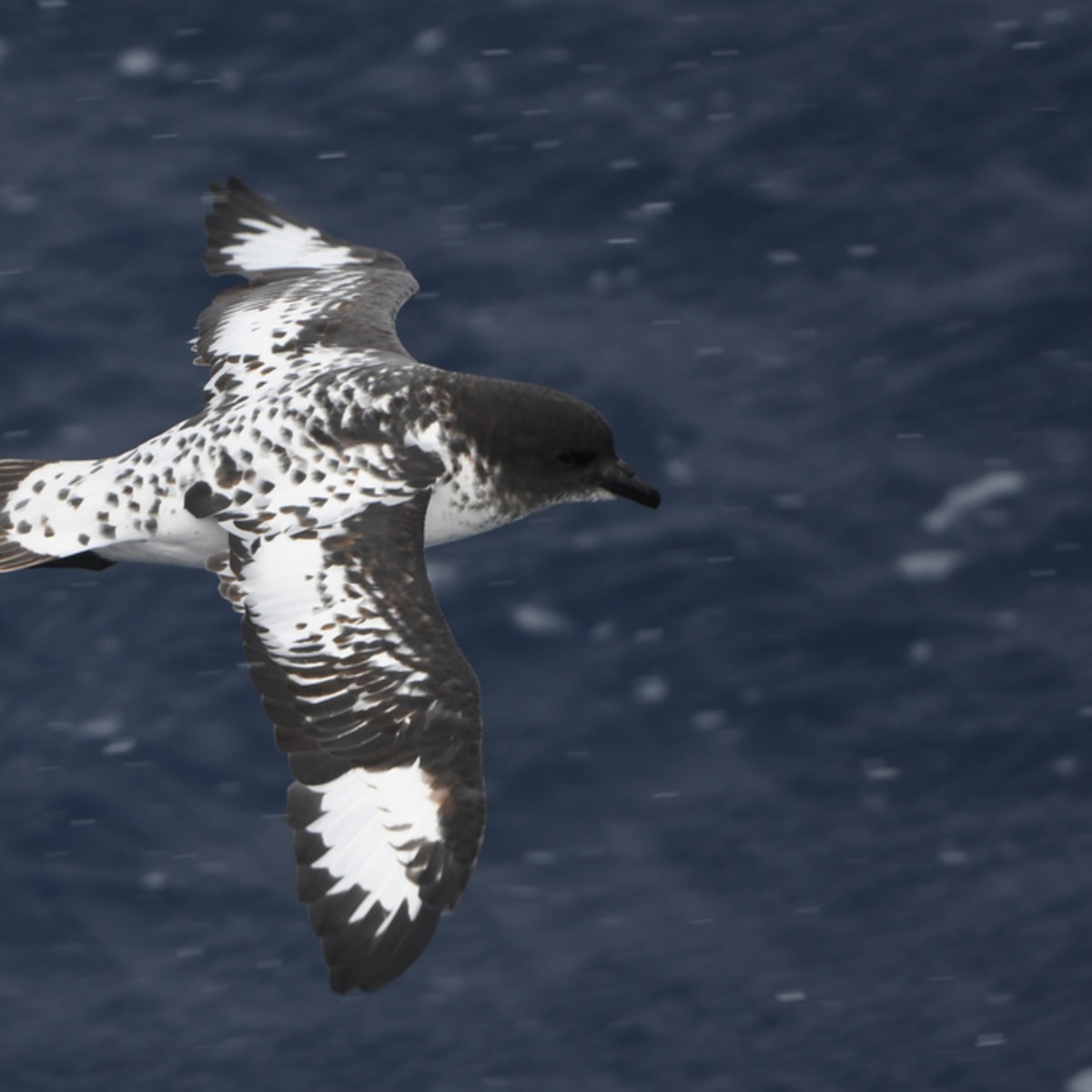
The Cape petrel (Daption capense), also called the Cape pigeon, pintado petrel, or Cape fulmar, is a common seabird of the Southern Ocean from the family Procellariidae. It is the only member of the genus Daption, and is allied to the fulmarine petrels, and the giant petrels. They are extremely common seabirds with an estimated population of around 2 million.
Stays that give back
Where to stay for a chance to see the Pintado Petrel
Every stay on the Pintado Petrel page lists the species its host has recorded on or near the property. A record is a sighting, never a promise.
See where to stay