
Western Cape
Cederberg Wilderness Area · Anysberg · Gamkaberg
Por conta própriaSem malária
Hospedagens: Western CapeOnde ver
Os anfitriões registraram esta espécie (Cape Rock Thrush) em hospedagens dentro ou ao lado de uKhahlamba-Drakensberg Park, Cederberg Wilderness Area and Anysberg Nature Reserve.
Monticola rupestris

Planejando uma viagem
Os anfitriões registraram esta espécie (Cape Rock Thrush) em hospedagens dentro ou ao lado de uKhahlamba-Drakensberg Park, Cederberg Wilderness Area and Anysberg Nature Reserve.
Cederberg Wilderness Area · Anysberg · Gamkaberg
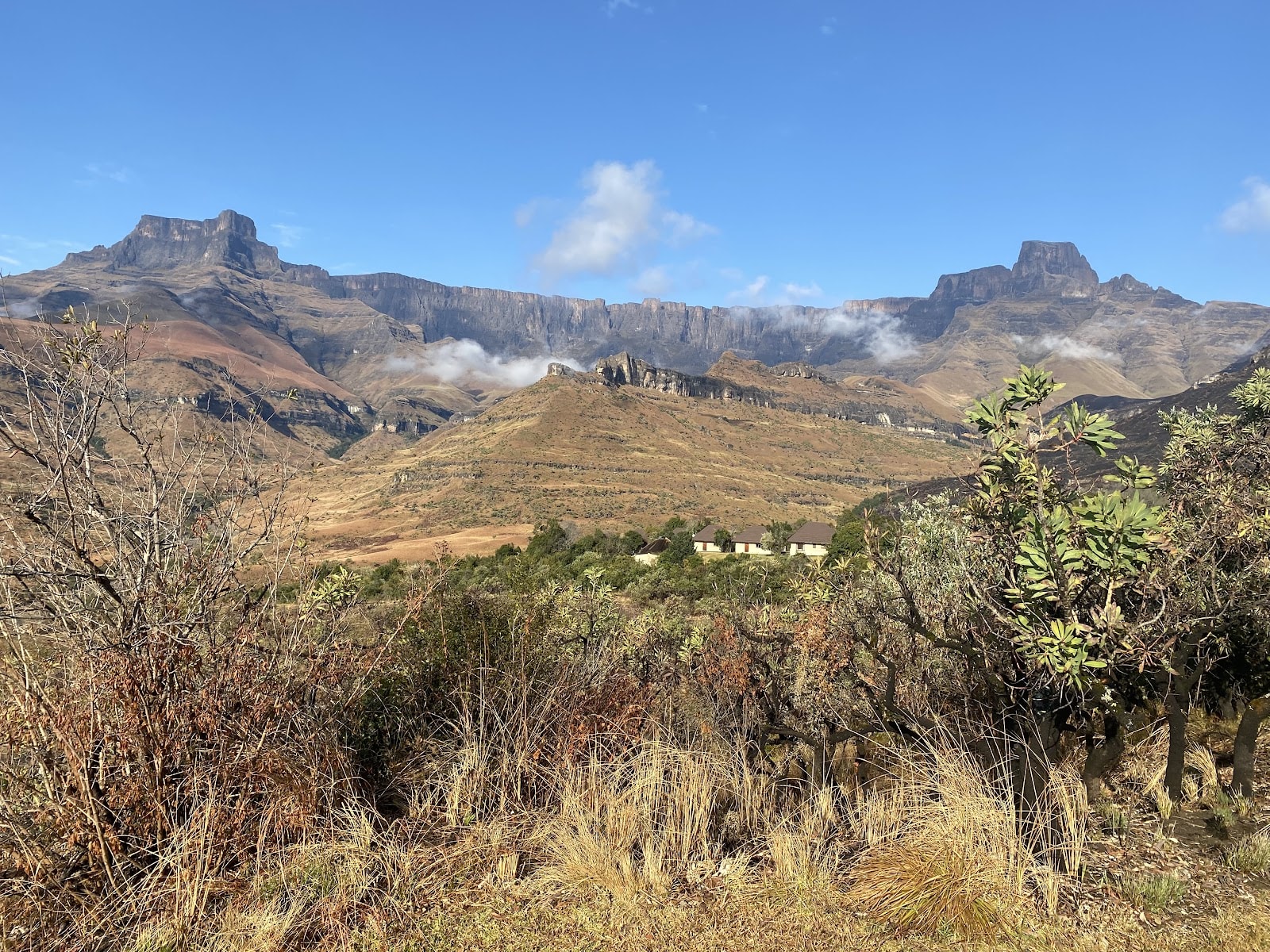
uKhahlamba-Drakensberg · Giants Castle · Hluhluwe-Imfolozi

Kwandwe
Dirija por conta própria
Seu próprio veículo e seu próprio ritmo, nas estradas do parque.
Onde os anfitriões registram
Safáris guiados a partir de um lodge
Um guia que sabe onde procurar, com saídas fora da estrada e safáris noturnos nas reservas privadas.
Onde os anfitriões registram
Espécie
Monticola rupestris
Registros
1,632
Observações no iNaturalist
Cada reserva no Spekboom apoia a conservação.
Um registro significa que um anfitrião avistou esta espécie (Cape Rock Thrush) na propriedade ou nas proximidades. Nunca é garantia de avistamento.
Hosts on Spekboom have recorded the Cape Rock Thrush at stays in or beside uKhahlamba-Drakensberg Park, Cederberg Wilderness Area, Anysberg Nature Reserve, Gamkaberg Nature Reserve, Kwandwe Private Game Reserve and De Hoop Nature Reserve and other reserves. A record means a host has seen it on the property or nearby, which makes these the places to base yourself; it is never a guarantee of a sighting on any given day.
The Cape Rock Thrush is most recorded in Western Cape (56% of records), KwaZulu-Natal (21% of records), Eastern Cape (11% of records), based on 1,632 iNaturalist observations. 65 places to stay on Spekboom in South Africa have recorded the Cape Rock Thrush on site or nearby.
The Cape Rock Thrush is recorded throughout the year, so no month is the wrong month to look for it. For the parks where hosts record it most, these are the best seasons they give. uKhahlamba-Drakensberg Park: year-round, dry season May-Sep; Cederberg Wilderness Area: Sep-Apr, flowers Aug-Oct; Anysberg Nature Reserve: Autumn and spring, Mar-May, Sep-Nov; Gamkaberg Nature Reserve: Autumn and spring, Mar-May, Sep-Nov. In the dry months animals concentrate at water and the grass is short.
The Cape rock thrush (Monticola rupestris) is a member of the Muscicapidae family of birds. This rock thrush breeds in eastern and southern South Africa, Lesotho and Swaziland. It is a common endemic resident, non-migratory apart from seasonal altitudinal movements in some areas.
Estadias que retribuem
Cada estadia na página do Cape Rock Thrush lista as espécies que o anfitrião registrou na propriedade ou perto dela. Um registro é um avistamento, nunca uma promessa.
Ver onde ficar