Où observer
Où observer le Sweet Thorn Acacia en Afrique du Sud
Sweet Thorn : signalé par des hôtes dans ou près de uKhahlamba-Drakensberg Park, Gondwana Game Reserve and Hluhluwe-Imfolozi Park.
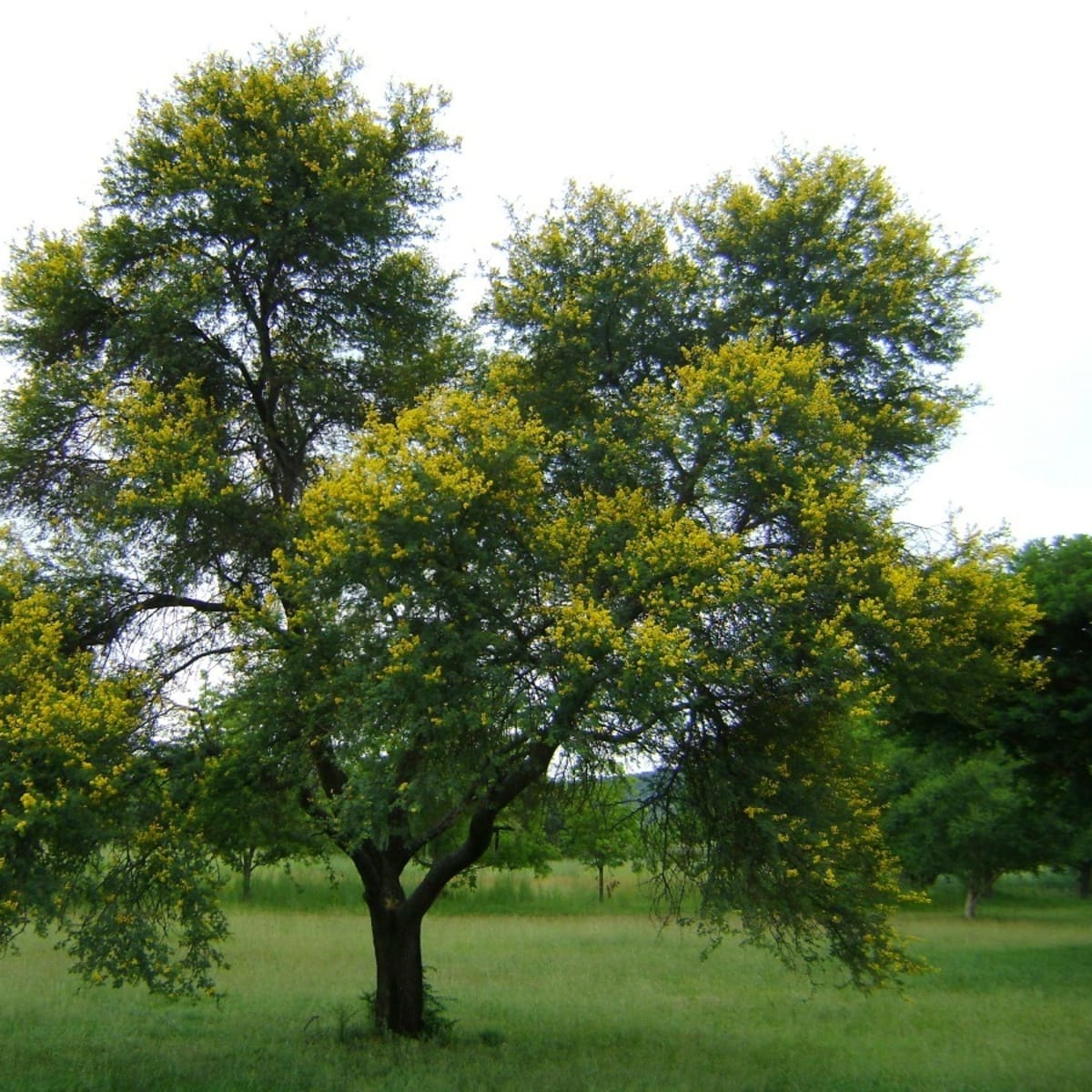
Vachellia karroo
Préparer un voyage
Sweet Thorn : quand et où l’observer
Sweet Thorn : signalé par des hôtes dans ou près de uKhahlamba-Drakensberg Park, Gondwana Game Reserve and Hluhluwe-Imfolozi Park.
Espèce
Vachellia karroo
Observations
18,854
observations iNaturalist
Chaque réservation sur Spekboom soutient la conservation.
Questions des voyageurs
Une observation signifie qu’un hôte a vu l’espèce Sweet Thorn sur place ou à proximité. Ce n’est jamais une garantie de la voir.
Which parks and reserves are best for the Sweet Thorn in South Africa?
Hosts on Spekboom have recorded the Sweet Thorn at stays in or beside uKhahlamba-Drakensberg Park, Gondwana Game Reserve, Hluhluwe-Imfolozi Park, Welgevonden Game Reserve, Ithala Game Reserve and Kruger National Park and other reserves. A record means a host has seen it on the property or nearby, which makes these the places to base yourself; it is never a guarantee of a sighting on any given day.
Where can you see the Sweet Thorn in South Africa?
The Sweet Thorn is most recorded in Eastern Cape (61% of records), Western Cape (16% of records), Gauteng (12% of records), based on 18,854 iNaturalist observations. 12 places to stay on Spekboom in South Africa have recorded the Sweet Thorn on site or nearby.
When is the best time to see the Sweet Thorn?
The Sweet Thorn is recorded throughout the year, so no month is the wrong month to look for it. For the parks where hosts record it most, these are the best seasons they give. uKhahlamba-Drakensberg Park: year-round, dry season May-Sep; Gondwana Game Reserve: Sep-Apr, flowers Aug-Oct; Hluhluwe-Imfolozi Park: year-round, dry season May-Sep; Welgevonden Game Reserve: May-Sep, dry season. In the dry months animals concentrate at water and the grass is short.
What is the Sweet Thorn?
Vachellia karroo, commonly known as the Sweet thorn, is a species of acacia, native to southern Africa from southern Angola east to Mozambique, and south to South Africa.
Hébergements engagés
Où séjourner pour avoir une chance d’observer le Sweet Thorn
Chaque séjour de la page du Sweet Thorn indique les espèces que l’hôte a relevées sur la propriété ou à proximité. Un relevé est une observation, jamais une promesse.
Voir où séjourner