Où observer
Où observer le White-tailed Shrike en Afrique du Sud
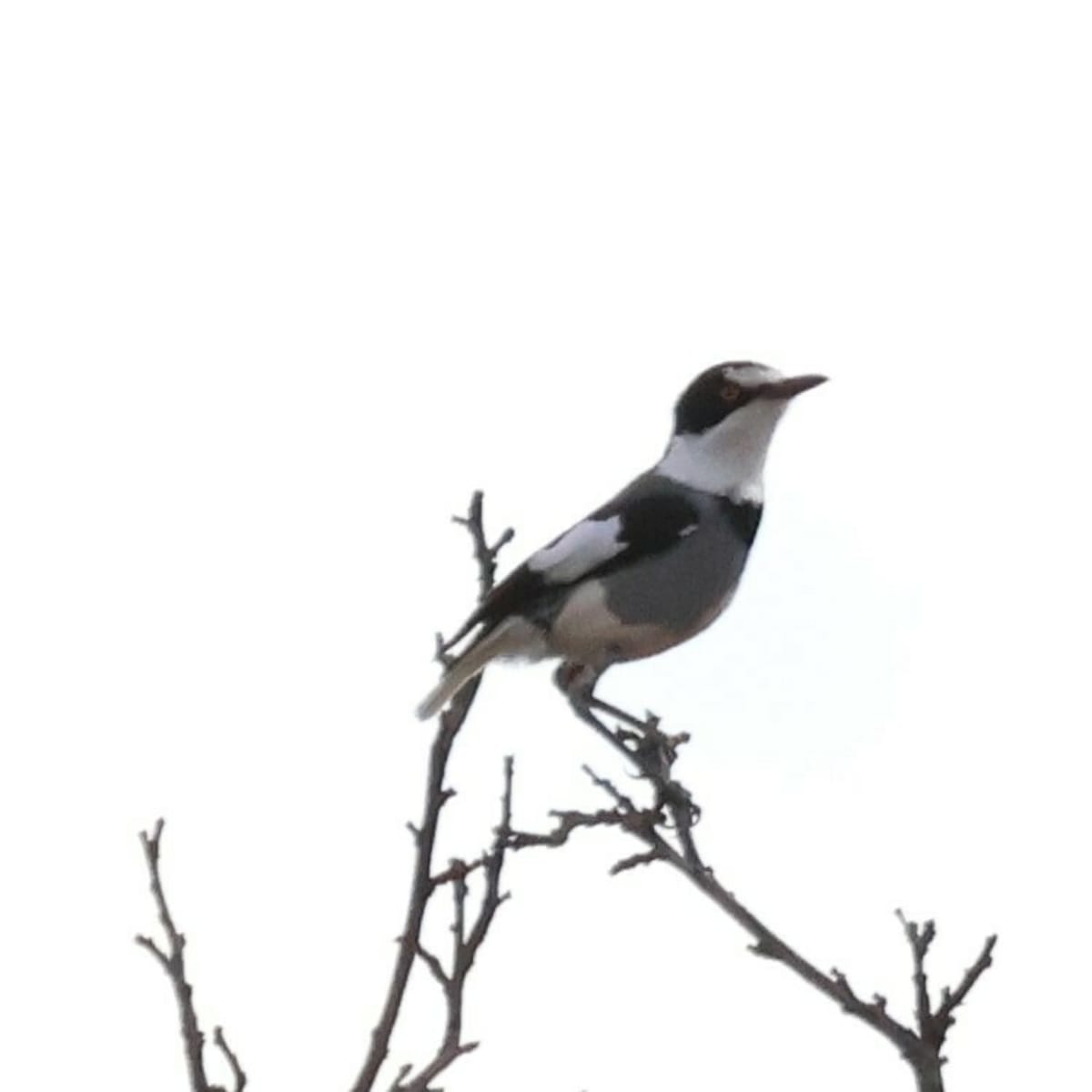
The white-tailed shrike (Lanioturdus torquatus) is a small passerine bird from the family Platysteiridae.
Lanioturdus torquatus · Least Concern
Préparer un voyage
White-tailed Shrike : quand et où l’observer
Meilleures heures de la journée
- Les premières heures après le lever du soleil, et la fin d’après-midi. Les oiseaux chantent et se nourrissent surtout à la fraîche.
- Midi. Plus calme, surtout par la chaleur d’été.
Liste rouge de l’UICN
Least Concern
Espèce
Lanioturdus torquatus
Chaque réservation sur Spekboom soutient la conservation.
Questions des voyageurs
Une observation signifie qu’un hôte a vu l’espèce White-tailed Shrike sur place ou à proximité. Ce n’est jamais une garantie de la voir.
When is the best time to see the White-tailed Shrike?
The White-tailed Shrike is recorded throughout the year, so no month is the wrong month to look for it.
What is the conservation status of the White-tailed Shrike?
The White-tailed Shrike (Lanioturdus torquatus) is listed as Least Concern on the IUCN Red List.
What is the White-tailed Shrike?
The white-tailed shrike (Lanioturdus torquatus) is a small passerine bird from the family Platysteiridae. It is also commonly known as the chatshrike. It occurs only in western Angola and Namibia in thorn scrub. It forages from ground level, where it hops about in large bounds and upright posture, to 25m above ground, scanning for insects.
Hébergements engagés
Où séjourner pour avoir une chance d’observer le White-tailed Shrike
Chaque séjour de la page du White-tailed Shrike indique les espèces que l’hôte a relevées sur la propriété ou à proximité. Un relevé est une observation, jamais une promesse.
Voir où séjourner