Northern Cape
Ai-Ais/Richtersveld
Por conta própria
Hospedagens: Northern CapeOnde ver
Os anfitriões registraram esta espécie (Eurasian Oystercatcher) em hospedagens dentro ou ao lado de Ai-Ais/Richtersveld Transfrontier Park, De Mond Nature Reserve and iSimangaliso Wetland Park.
Haematopus ostralegus · Near Threatened
Planejando uma viagem
Os anfitriões registraram esta espécie (Eurasian Oystercatcher) em hospedagens dentro ou ao lado de Ai-Ais/Richtersveld Transfrontier Park, De Mond Nature Reserve and iSimangaliso Wetland Park.
Ai-Ais/Richtersveld

De Mond · Keurbooms River · West Coast

iSimangaliso Wetland
Dirija por conta própria
Seu próprio veículo e seu próprio ritmo, nas estradas do parque.
Onde os anfitriões registram
Lista Vermelha da IUCN
Near Threatened
Espécie
Haematopus ostralegus
Registros
91
Observações no iNaturalist
Cada reserva no Spekboom apoia a conservação.
Um registro significa que um anfitrião avistou esta espécie (Eurasian Oystercatcher) na propriedade ou nas proximidades. Nunca é garantia de avistamento.
Hosts on Spekboom have recorded the Eurasian Oystercatcher at stays in or beside Ai-Ais/Richtersveld Transfrontier Park, De Mond Nature Reserve, iSimangaliso Wetland Park, Keurbooms River Nature Reserve and West Coast National Park. A record means a host has seen it on the property or nearby, which makes these the places to base yourself; it is never a guarantee of a sighting on any given day.
The Eurasian Oystercatcher is most recorded in Western Cape (67% of records), KwaZulu-Natal (30% of records), based on 91 iNaturalist observations. 7 places to stay on Spekboom in South Africa have recorded the Eurasian Oystercatcher on site or nearby.
Sightings of the Eurasian Oystercatcher peak from Dec to Jan, based on 91 iNaturalist records. You may still see it outside those months, sightings are just less frequent.
The Eurasian Oystercatcher (Haematopus ostralegus) is listed as Near Threatened on the IUCN Red List.
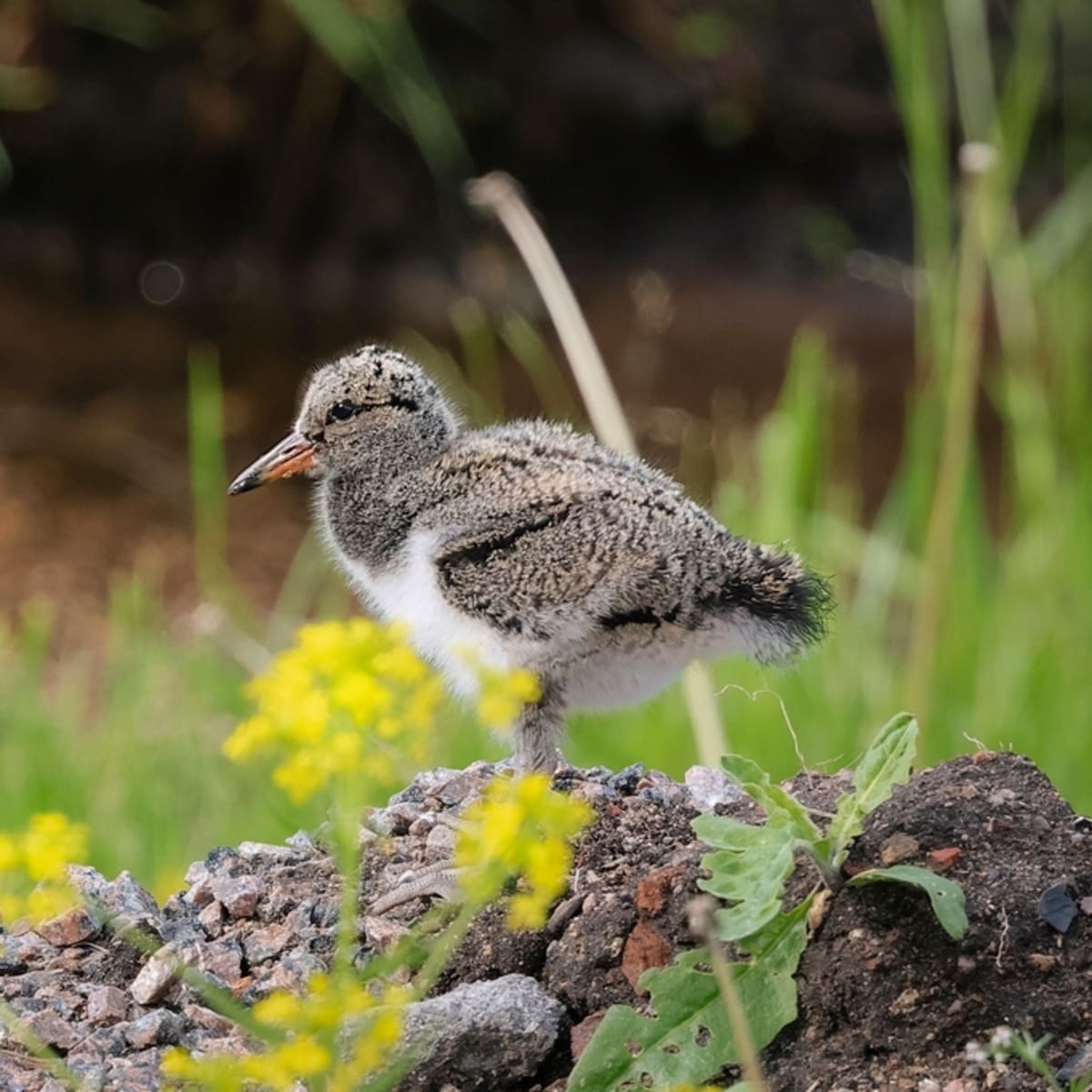
The Eurasian oystercatcher (Haematopus ostralegus) also known as the common pied oystercatcher, or palaearctic oystercatcher, or (in Europe) just oystercatcher, is a wader in the oystercatcher bird family Haematopodidae. It is the most widespread of the oystercatchers, with three races breeding in western Europe, central Eurasia, Kamchatka, China, and the western coast of Korea.
Estadias que retribuem
Cada estadia na página do Eurasian Oystercatcher lista as espécies que o anfitrião registrou na propriedade ou perto dela. Um registro é um avistamento, nunca uma promessa.
Ver onde ficar