Waar te zien
Waar u de Marula in Zuid-Afrika ziet
Marula: door verhuurders waargenomen in of bij Kruger National Park, Sabi Sand Game Reserve and Timbavati Private Nature Reserve.
Sclerocarya birrea
Een reis plannen
Wanneer en waar u de Marula vindt
Marula: door verhuurders waargenomen in of bij Kruger National Park, Sabi Sand Game Reserve and Timbavati Private Nature Reserve.
Soort
Sclerocarya birrea
Waarnemingen
2,239
iNaturalist-waarnemingen
Elke boeking op Spekboom steunt natuurbehoud.
Vragen van reizigers
Een waarneming betekent dat een verhuurder de Marula op of bij het terrein heeft gezien. Het is nooit een garantie dat u de soort ziet.
Which parks and reserves are best for the Marula in South Africa?
Hosts on Spekboom have recorded the Marula at stays in or beside Kruger National Park, Sabi Sand Game Reserve, Timbavati Private Nature Reserve, Welgevonden Game Reserve, Hluhluwe-Imfolozi Park and Ithala Game Reserve and other reserves. A record means a host has seen it on the property or nearby, which makes these the places to base yourself; it is never a guarantee of a sighting on any given day.
Where can you see the Marula in South Africa?
The Marula is most recorded in Limpopo (38% of records), Mpumalanga (27% of records), KwaZulu-Natal (20% of records), based on 2,239 iNaturalist observations. 37 places to stay on Spekboom in South Africa have recorded the Marula on site or nearby.
When is the best time to see the Marula?
The Marula is recorded throughout the year, so no month is the wrong month to look for it. For the parks where hosts record it most, these are the best seasons they give. Kruger National Park: Apr-Sep; Sabi Sand Game Reserve: year-round, dry season May-Sep optimal; Timbavati Private Nature Reserve: May-Sep, dry season; Welgevonden Game Reserve: May-Sep, dry season. In the dry months animals concentrate at water and the grass is short.
What is the Marula?
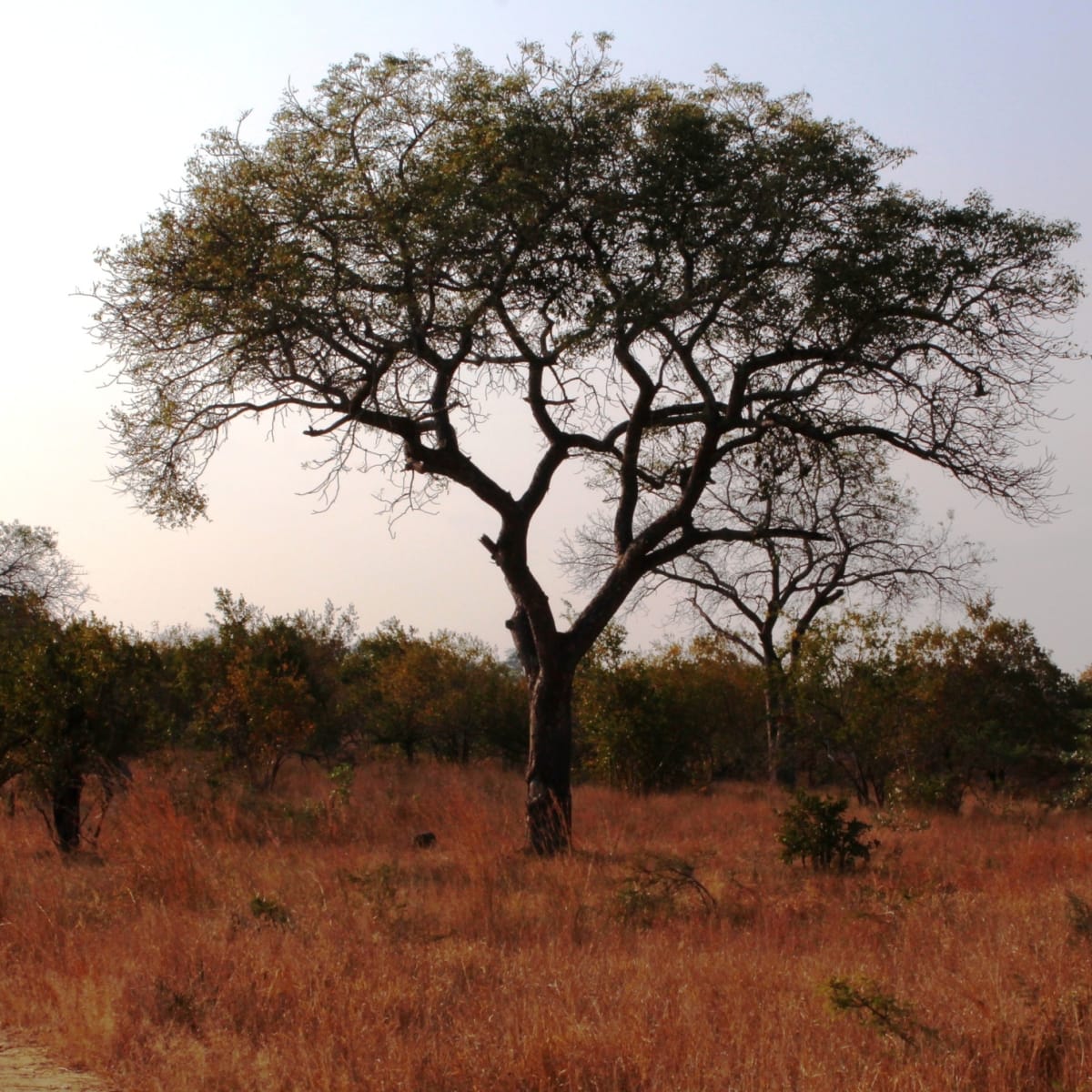
Sclerocarya birrea, commonly known as the marula, (Ancient Greek σκληρός, sklērós, "hard", and κάρυον, káryon, "nut", in reference to the stone inside the fleshy fruit) is a medium-sized dioecious tree, indigenous to the miombo woodlands of Southern Africa, the Sudano-Sahelian range of West Africa, and Madagascar.
Verblijven die iets teruggeven
Waar te verblijven voor een kans om de Marula te zien
Elk verblijf op de pagina over de Marula vermeldt de soorten die de verhuurder op of bij het terrein heeft vastgelegd. Een vastlegging is een waarneming, nooit een belofte.
Bekijk waar te verblijven